What to Do When Gardenia Leaves Turn Black and Wither at the Edges
Gardenia (Gardenia jasminoides) is a fragrant, light-loving ornamental flowering plant with many varieties, including large shrubs and small shrubs suitable for container growing. Either way, problems tend to appear after planting, especially in containers where growing space is limited and poor growth is common. Sometimes you also see leaves turning black, with edges even withering, and the cause is unclear. So today let's focus on what to do in this situation.
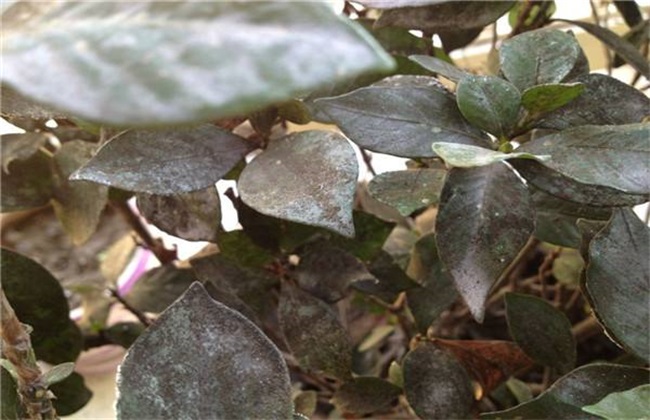
1. Disease
The main cause of blackened leaves is sooty mold, which can infect many plants, and gardenia is no exception; after infection the leaves are covered with a layer of black substance. It may also be gardenia anthracnose, where brown spots appear on infected leaves, gradually drying out and turning black, and after small black dots form, a small patch turns black. Use Bordeaux mixture as a protective agent in advance for prevention; when the disease occurs, drench the roots with a 40-fold ferrous sulfate solution, then spray the leaves with 0.2% ferrous sulfate.
2. Damage from Insects
Some piercing-sucking pests feed on leaf sap, after which the leaves turn yellow, then black, and then dry up and drop off. So to deal with these piercing-sucking pests, the best approach is to remove larvae as soon as they are found, collect them in a container, and kill them with pesticide; apply pesticide to the diseased branches, and in severe cases cut off the diseased branches and spray with pesticide.
3. High Temperature and Drought
If the temperature is very high and the weather is abnormally dry, the leaves lose water and gradually dry out, usually starting from the leaf edges. During drought, the roots in the soil cannot absorb water either, the plant becomes dehydrated, and this shows first on the leaves. When high temperature and drought occur together, sometimes spiders gradually dry up and die. For container plants, you can move them indoors and water them; for plants in the open ground, water in the evening and keep watering consistently.
4. Excessive Humidity
Generally, overwatering, or heavy rain, or continuous overcast and rainy days, all cause excessive humidity; soil moisture cannot dissipate, and the humidity of the whole environment is very high. Water accumulates, the roots are prone to rotting and decay, and afterwards nutrients cannot be absorbed, making the plant prone to infection by pathogens, and once this happens the leaves turn black and dry up. Water according to conditions, and drain during the rainy season.
When the growing environment of the gardenia changes and becomes unsuitable, it shows on the leaves; blackening, drying up, and the like are all of this kind. So pay attention to improving the environment and adjusting growth in time. If pests or diseases occur, focus on prevention and control, and the situation will improve.