-

Introduction to the Characteristics of Zaocuiwang, a New Fresh-Eating Jujube Cultivar
Its main characteristics are: (1) The tree vigor is medium to strong, the large branches spread at an open angle, it is easy to manage, and it is suitable for establishing orchards at medium density. (2) Strong in high yield: a 2-year-old grafted tree yields about 5 kg per plant; a 12-year-old tree yields about 50 kg per plant; the yield per square meter of canopy projection is 3.41 kg, ranking first among the tested cultivars. (3) The fruit is large and attractive with good quality: the fruit is oval in shape, with an average single fruit mass of 30.9 g and a maximum fruit of 87 g,
-
Enema Therapy for Treating Digestive System Diseases in Dogs
In pet diagnosis and treatment, the most commonly encountered condition is digestive system disease in dogs. Applying a simple enema method according to the condition can achieve good results. Scope of application of enema therapy: (1) When a dog shows symptoms of gastroenteritis such as vomiting and diarrhea, and feces that are bloody and foul-smelling, enema therapy can be used for treatment, removing loose feces, emptying the intestines, and administering drugs directly via the rectum. (2) When a dog has fecal impaction such as dry stool and difficulty defecating, enema therapy can be used to soften the feces and lubricate the intestines.
-
Method for treating livestock spontaneous sweating with Danggui Liuhuang Tang
Treatment principle: nourish yin and clear heat, astringe yin and stop sweating, and secure the exterior. Formula: Angelica sinensis (dong quai) and Rehmannia glutinosa (prepared rehmannia) 50g each, Scutellaria baicalensis (skullcap) and Phellodendron amurense (Amur corktree) 40g each, Coptis chinensis (goldthread) 30g, Astragalus membranaceus (milkvetch) 100g, fossilized bone (dragon bone) and oyster shell 70g each, Ephedra root and floating wheat 80g each, 1 dose per day; after 1 oral dose, sweating was greatly reduced, and it was cured after 3 doses.
-
Treating acute ruminal tympany in cattle with cut tobacco
Acute ruminal tympany is a common disease in cattle. When cattle eat large amounts of easily fermentable feed, especially legumes before flowering, they are most prone to this disease; in addition, eating moldy and spoiled forage, poisonous plants, or pasture covered with frost or dew can also promote the occurrence of the disease. Affected cattle show rapid abdominal distension, with obvious swelling of the left flank, which is elastic on palpation. In severe cases, the animal is restless, has difficulty breathing, a violent heartbeat, a weak and thready pulse, and cyanotic conjunctiva. In the late stage of the disease, the affected cattle are depressed, have extreme difficulty breathing, and are unwilling to move; if forced
-
What to Do If a Pig Is Poisoned by Eating Toxic Plants
1. Crotalaria poisoning. The stems, leaves, and seeds of crotalaria are all toxic. The main toxic component is monocrotaline. After poisoning, pigs show vomiting, diarrhea, generalized tremors, unsteady gait, complete loss of appetite, and inability to stand; the ear tips feel cold, the lips and snout disc turn purple, the conjunctiva becomes cyanotic, the pupils dilate, breathing becomes deep and prolonged, and the animal becomes comatose, with body temperature dropping, heart rate slowing, and finally death. Necropsy reveals extensive gastrointestinal hemorrhage, mucosal sloughing, hemorrhage in the liver, kidneys, and heart, and disseminated intravascular coagulation. There is currently no specific therapy. The main measures are
-
Regularly eating steamed fish helps protect heart health
We often see reports in the media that "eating fish is good for the heart." However, Professor Wang Cunxin, an authority on fish research in China at the Institute of Oceanology, Chinese Academy of Sciences, reminded everyone in an interview with reporters that fish are divided into sea fish and river fish, with a wide variety of types, and different fish have different effects. Eating fish really can protect the heart. Professor Wang pointed out that eating fish is greatly beneficial to the heart, and this has already been confirmed. Eskimos and residents of coastal fishing villages in Japan have fish in all three meals a day, and their lower rates of cardiovascular disease are a good example.
-
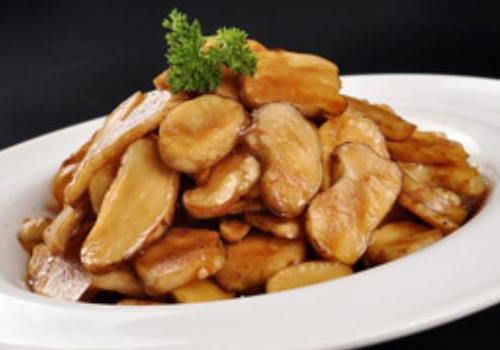
How to grow and eat Jerusalem artichoke? A detailed guide to planting and eating methods
There are many ways to prepare Jerusalem artichoke, so now let's take a look at how to make Jerusalem artichoke. How to grow Jerusalem artichoke? How to eat it: How to grow Jerusalem artichoke: Jerusalem artichoke is a relatively cold-tolerant and drought-tolerant plant and can withstand low temperatures. When growing it, make sure there is sufficient light. It is not very demanding when choosing soil
-
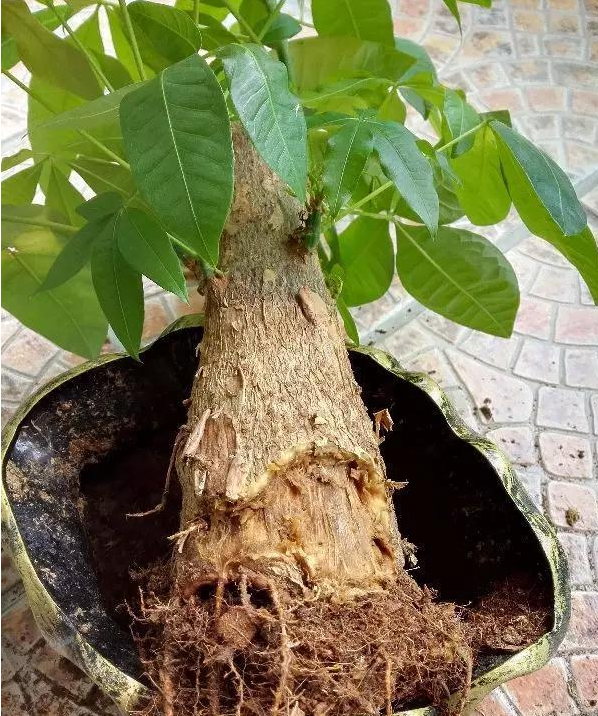
Treating a money tree with root rot this way, and can the soil left after it dies still be used?
The money tree (Pachira aquatica) is something many people love to grow; it looks so beautiful and is also very auspicious. Let's look at how to treat root rot in a money tree.
-

What to Do When a Money Tree's Leaves Turn Yellow? Easy Solutions by Treating the Root Cause
The money tree is one of the most popular houseplants, evergreen all year round with a graceful shape and good feng shui associations, and people love growing it in pots at home. However, in the process of growing a money tree, problems are inevitable, such as yellowing leaves. What causes this?
-
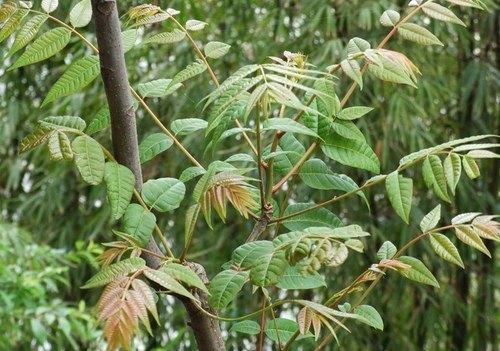
Chinese toon costs 50 yuan per jin, and you can grow it in a single flower pot, picking and eating it fresh anytime.
Chinese toon at 50 yuan per jin can be grown with just one pot, picked and eaten fresh anytime!
条件筛选