-
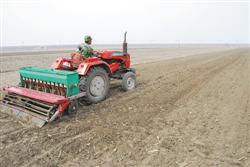
What are the methods for treating autumn-sown wheat seeds?
What methods are there for treating autumn-sown wheat seeds? Please give guidance. Autumn-sown wheat seeds should be treated as follows: 1. Pest control treatment. For wheat underground pests such as mole crickets, white grubs, and wireworms, you can use 0.5 kg of 50% 1605 emulsion, add 50 kg of water, mix with 500 kg of seed, and let it sit for 4-6 hours; or use 75% phoxim...
-
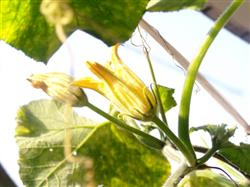
What are the methods for preventing and treating pumpkin fruit abortion?
What methods can prevent and treat pumpkin fruit abortion? Please advise. The phenomenon in which a pumpkin dies after growing to about the size of a fist is called fruit abortion. The main causes of pumpkin fruit abortion are: (1) Recently excessively high temperatures are unfavorable for pumpkin fruit set and fruit enlargement, causing fruit abortion. (2) Too much fertilizer and water, especially after pumpkin harvest, and when pruning cannot keep up, often causes the pumpkin vines to grow excessively, leading to spindly overgrowth of the plants, which easily causes fruit abortion.
-
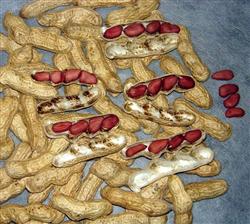
Key Cultivation Techniques and Management Methods for Fresh-Eating Peanuts
How to identify the quality of peanut seeds? Please advise. As the peanut pre-sowing period is currently underway, how to select good peanut seeds is a matter of great concern to peanut growers. Here is a brief introduction to a few points on how to identify the quality of peanut seeds: 1. Look: good peanut seeds have plump pods, sharp embryo tips, protruding germ discs, and pink seed coats...
-
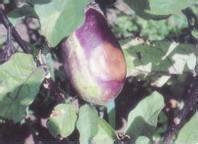
What medicine works well for treating eggplant fruit rot
What medicine can treat eggplant fruit rot? Please advise. For eggplant fruit rot, you can refer to the following medication for prevention and control: in the early stage of the disease, you can use 25% metalaxyl, or 58% metalaxyl mancozeb, or 40% fosetyl-aluminium, or 64% oxadixyl (oxadixyl + mancozeb), or 77% kocide (copper hydroxide), or fully chelated mancozeb, etc. for spray control...
-
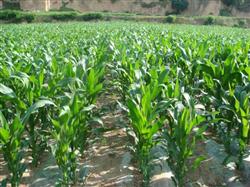
Detailed Explanation of Spring Fresh-Eating Sweet Corn Cultivation Techniques
Selecting good varieties: You can choose the sweet corn varieties Chaotian No. 3 and Chaotian 204, which were promoted and planted last year, or you can trial-plant and demonstrate new varieties such as Dongtian 206. These varieties have high yields, a medium growth period, a fresh grain sugar content of more than 16%, and good taste for fresh eating. Sow at the right time and cultivate strong seedlings. Generally, sowing begins around March 15 to 20, ...
-
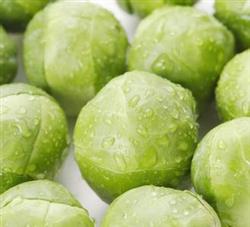
Cabbage Has High Nutritional Value: 10 Benefits of Eating It Regularly
You are certainly familiar with cabbage-family vegetables. But if asked what health-preserving benefits cabbage has, you might not know too much. Below, the editor of AiMeiWang will take you through the nutritional and health value of cabbage. 1. Cabbage is a type of vegetable that strengthens the body. Cabbage is a large family, with...
-
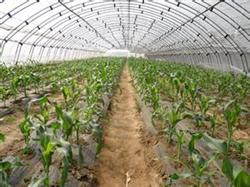
Detailed Explanation of High-Efficiency Cultivation Techniques for Fresh-Eating Corn in Greenhouses
In winter-warm greenhouses, during the late stage of spring production, the vegetable plants inside the greenhouse age, yield and quality decline, market prices are low, and planting benefits decrease. At this time, transplanting fresh-eating corn in the winter-warm greenhouse can rationally utilize greenhouse resources and achieve relatively high economic benefits. 1. Select excellent varieties: according to local conditions, select high-quality fresh...
-
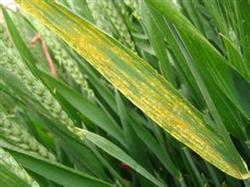
Wheat stripe rust can be managed by a zone-based strategy of treating key spots to protect the wider area
Wheat stripe rust is a serious biological disaster that has long affected the safe production of wheat in China. In years when the disease is common, wheat yields are reduced by 10%-20%, and in years of severe epidemic, losses can reach more than 60%, or even leave wheat with almost no harvest. Based on a comprehensive analysis of factors such as the amount of inoculum, weather conditions and variety distribution, it is predicted that in 2011...
-

How to prevent and control yellowing of wheat seedlings before winter? The key lies in treating according to the condition of the seedlings
After barley and wheat are sown and emerge, due to the influence of adverse conditions and cultivation management, varying degrees of yellowing often occur before winter. There are many reasons for wheat seedlings turning yellow before winter, such as drought, insect pests, nitrogen deficiency and potassium deficiency, etc. The remedy should be applied according to the different causes, so as to promote the yellowing wheat seedlings to transform into strong overwintering seedlings. Drought-induced yellowing: in a dry winter year, with long periods of clear weather and no rain, soil hardening, and insufficient water, root extension is difficult, which often leads to yellowing of wheat seedling leaves, slow growth, and delayed tillering stage. For wheat seedlings yellowing due to water shortage and drought, timely watering for drought relief should be carried out. For drought relief,
-
New fresh-eating tomato variety Jinxiang Fanbao: high yield, high quality and multi-resistance
High-yield, high-quality and multi-resistant new fresh-eating tomato variety "Jinxiang Fanbao". Variety source: this variety was developed by the Jinxiang Research Institute of the Jinxiang Group using a method combining hybrid crossing with pedigree selection, and was bred over five years and six generations as a new fresh-eating tomato variety. Characteristics: the true leaves of the seedlings are lobed, the leaf color is dark green, and it is semi-determinate. The average plant height is 86.5 cm, the flowers are bright yellow, with 6 stamens, 6 pistils and 6 sepals each, the first inflorescence is borne on the 6th-7th node, the internode length is 5 cm, the stem diameter is 0.8-1.0 cm, the young fruit has no shoulder, and the mature fruit is red,
条件筛选