-
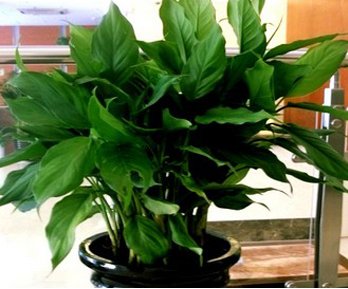
How to Divide and Overwinter Rohdea japonica? A Complete Guide to Care Techniques
When it comes to Rohdea japonica, many people love to grow it, and it looks the same all year round. Let's take a look at how to divide Rohdea japonica and how to overwinter it: How to divide Rohdea japonica: 1. Prepare the potting soil. The potting soil suitable for Rohdea japonica must be loose and breathable.
-
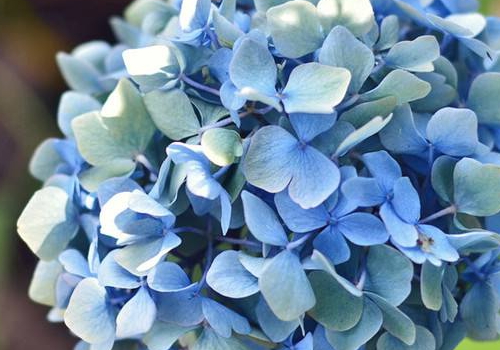
When should hydrangeas be divided, and how many times can they bloom in a year?
Hydrangea, this is also a super beautiful flower, very lovable, so when should hydrangeas be divided? How many times do they bloom in a year: When to divide hydrangeas: The division time for hydrangeas should be before budding in early spring. Separate the rooted branches from the mother plant, plant them directly in pots, do not water too much
-
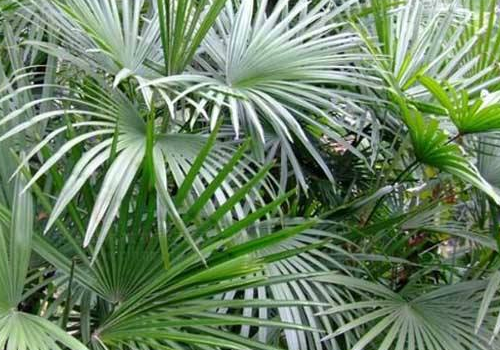
When to Divide Broadleaf Lady Palm and Why It Is Not Suitable for Growing at Home
Broadleaf lady palm is also one of the plants, and a great many people know about it. So when should broadleaf lady palm be divided? Why is it not suitable to grow at home: When to divide broadleaf lady palm: Broadleaf lady palm division propagation is generally carried out in spring when repotting. (The best time for division is March to April.
-

A dog's growth is divided into 5 different stages
Many friends who keep dogs notice that their dogs often display some puzzling behaviors - such as frequently whining softly, relieving themselves everywhere, and constantly chewing up furniture and shoes. In fact, these are dogs' original behavioral instincts, not bad habits as we humans see them. Because their original behavioral instincts often come into conflict with our modern way of life, causing us a great deal of inconvenience, and causing many dogs to be abandoned because of these behavioral problems, which is truly a great pity. This is why we step into dog training
-
What types can dogs be divided into based on coat characteristics?
The dog's coat is an important skin derivative that protects the dog from adverse external environmental influences and maintains a constant body temperature. The form and color of the coat are important characteristics of dog breeds, and a gorgeous coat is a second life for many toy dogs. The dog's coat consists of top hair, undercoat, and decorative hair. Top hair, also called outer hair, is the main part that constitutes the dog's coat color; it is generally long and coarse, with medullated hair making up the majority, and it mainly serves to keep the dog warm. Decorative hair refers to the hair growing on the ears, tail, and lower limbs that serves a decorative function. According to coat length, dogs are generally divided into
-
How are spring tea, summer tea and autumn tea divided?
The division of spring tea, summer tea and autumn tea is mainly determined by the seasonal changes and the intervals of new shoot growth of the tea plant. Under the climatic conditions of our country, except for a few areas in the South China tea region, in the vast majority of tea-producing areas, the growth of tea plants and the picking and processing of tea leaves are seasonal: in the Jiangbei tea region, the tea picking and processing period runs from early May to late September; in the Jiangnan tea region, from late March to mid-October; and in the Southwest tea region, from late January to early December. Tea regions that belong to the subtropical and temperate zones, including the Jiangbei tea region, the Jiangnan tea region and the Xiyie tea region, are usually divided by picking and processing time into the three seasonal teas: spring, summer and autumn. But the standards for dividing seasonal teas are not consistent. Some divide by solar terms: from Qingming to Xiaoman is spring tea, from Xiaoman to Xiaoshu is summer tea, and from Xiaoshu to Hanlu is autumn tea; some divide by time: tea picked and processed before the end of May is spring tea, tea picked and processed from early June to early July is summer tea, and tea picked and processed after mid-July is autumn tea. In the South China tea region of our country, because it is located in the tropics, the four seasons are not very distinct, and tea leaves can be picked and processed almost all year round; therefore, in addition to the distinction of spring tea, summer tea and autumn tea, there is also a classification by the order of new shoot growth of the tea plant and the earliness or lateness of picking and processing, divided into first-round tea, second-round tea, third-round tea and fourth-round tea.
-
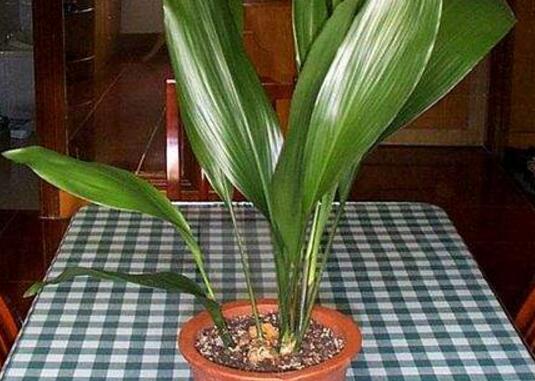
How to divide and repot an Aspidistra? Only with a good growing medium can it thrive into a full pot
In the process of growing an Aspidistra, as long as the cultivation method is scientific, it will grow very quickly, and after a period of time it can become lush and leafy. So at this point, how do you divide and repot an Aspidistra? This has probably become a question that flower lovers need to think about. Below, the editor will tell everyone a simple method
-
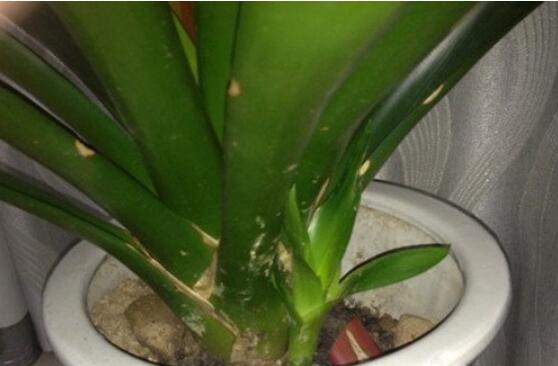
How to divide Guzmania (Guzmania lingulata)? A propagation method by division suitable for all four seasons
Gardeners are certainly familiar with the Guzmania flower; what leaves the deepest impression is that the head blooms only once in its lifetime! But precisely because of this, the Guzmania flower is very beautiful. And to keep enjoying this beauty, there is a good way, namely propagation. It is understood
-
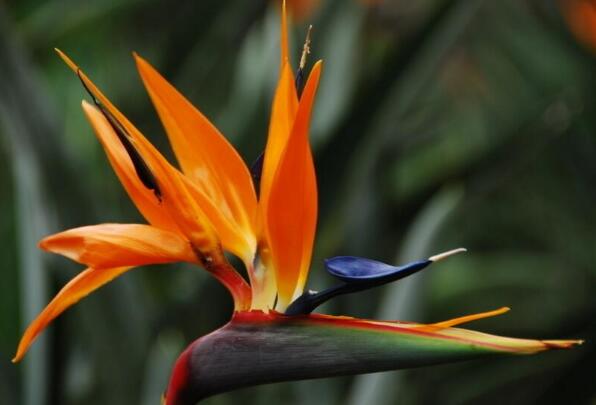
How to divide a bird of paradise? One cut, one pot, one soil mix is all it takes to propagate
The human heart is always full of all kinds of dissatisfaction, so when one bird of paradise blooms, we always want to grow a few more, looking forward to the scene of them blooming together. This requires us to master the propagation methods of the bird of paradise, the more commonly used being division and sowing, of which division has the higher survival rate
-
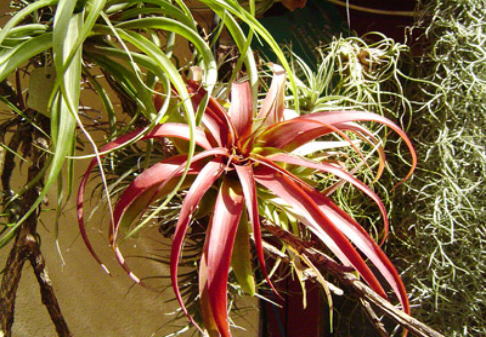
How to divide air plant pups after flowering? Detailed method
Division is usually done after the mother air plant has died. Cut off the clumped withered leaves on the mother plant, then gently pull off the pups by hand; it takes almost no effort. Do not throw the mother plant away immediately, as a gradually withering air plant may still produce more pups
条件筛选