-
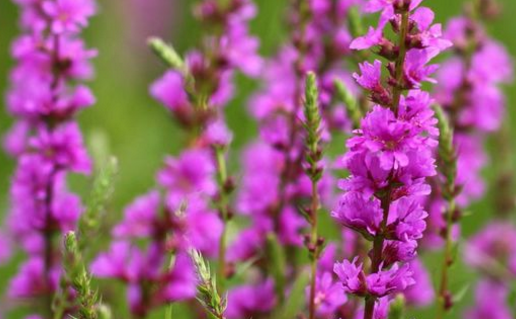
Myrtales Lythrum salicaria Care Methods, Precautions, Propagation and Differences from Lavender
Lythrum salicaria, also known as water willow, water willow, verbena, opposite-leaf lotus, and detoxifying herb, so what are the care methods and precautions for Lythrum salicaria? How to propagate it? What is the difference from lavender? According to information, Lythrum salicaria likes a warm growing environment and requires sufficient light; generally the growing environment needs good ventilation
-
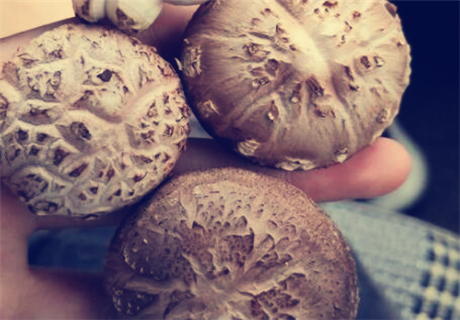
Shiitake flower mushroom is a tonic for longevity, 150 yuan per jin, its cultivation, differences from shiitake, and effects
Flower mushroom is generally very common in rural areas, and in China it is called a longevity tonic. Why is it called flower mushroom? Because the whole mushroom is very thick and white, shaped like chrysanthemum petals, hence the name flower mushroom. The nutritional value of flower mushroom is very high, so what is the current price of flower mushroom per jin? How to cultivate it?
-
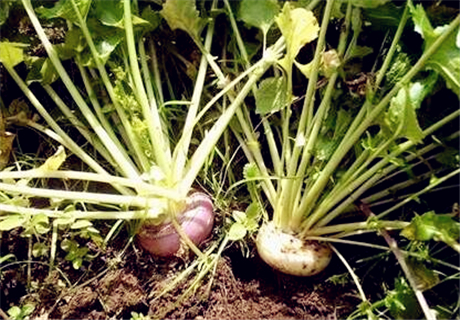
Yuan root (Nyungma): a medicinal and edible plant, a new favorite for farmers to get rich, its benefits and differences from radish, and cultivation
Yuan root is a plant that looks somewhat similar to radish. It is an ancient plant of the Tibetan Plateau, called Nyungma in Tibetan, and has the effect of clearing heat and detoxifying. So what are the benefits and effects of yuan root? How does it differ from radish? What are its cultivation prospects? Main nutritional value of yuan root
-
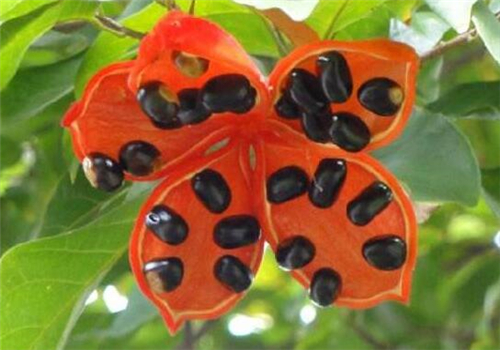
How to grow the evergreen tree Sterculia monosperma? Ripening months and the four main differences from Sterculia lanceolata
Sterculia monosperma is an evergreen tree that stays green all year round, also known as the "phoenix eye fruit." It is planted in courtyards in Guangdong, China, but not in large numbers, only sporadically. So how do you grow Sterculia monosperma? Which month does it usually ripen? Here are the four main differences from Sterculia lanceolata. 1. How to grow Sterculia monosperma? The growing techniques are as follows: Planting and establishment
-
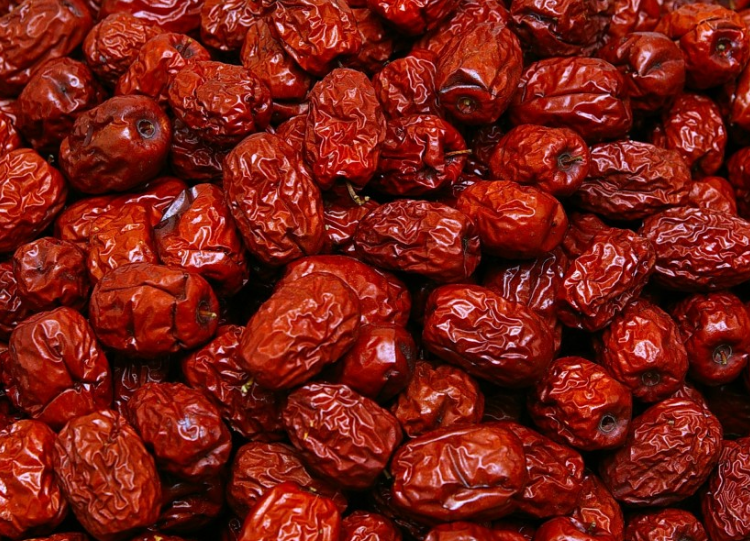
The Benefits and Effects of Jinsixiao Jujube, Its Differences from Da Hong Zao (Large Red Jujube), and Bonsai Cultivation Techniques
Jinsixiao jujube is a premium variety among jujubes, with a small pit and thick flesh, fine golden threads, an especially sweet taste, and rich nutrition, particularly a very high vitamin content; after people eat it, it can nourish the blood and also beautify the skin.
-
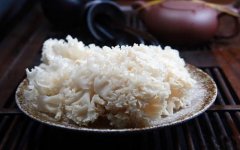
Differences Between Cauliflower Mushroom and Snow Fungus, Price Per Jin and Shelf Life Explained
The superoxide dismutase content in cauliflower mushroom ranks first among all edible fungi, earning it the title of King of Ten Thousand Mushrooms, so its price is relatively high, but artificially cultivated ones are much cheaper. How much is cauliflower mushroom per jin? Jinxiang County, Jining City, Shandong Province
-
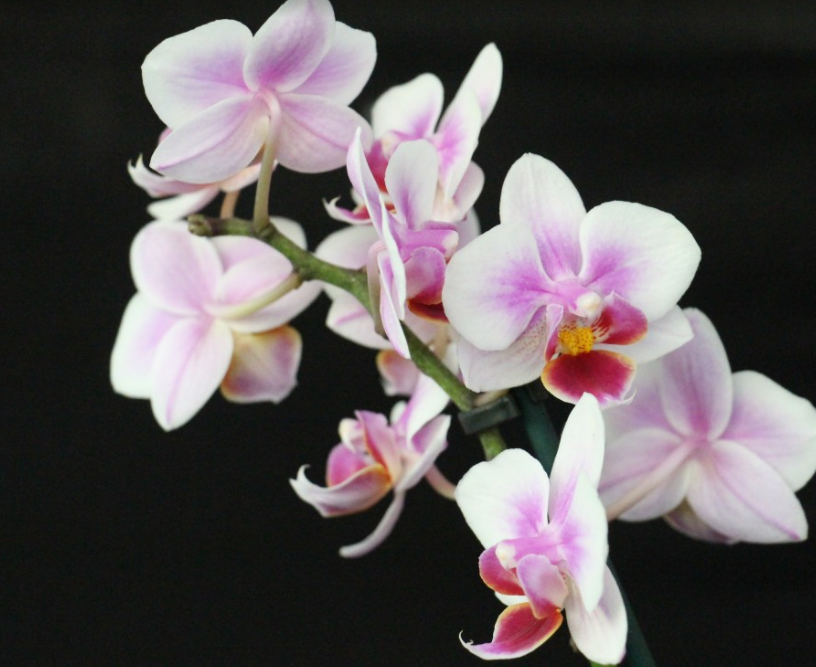
What to do when Dendrobium leaves turn yellow? Growing methods and differences from Dendrobium officinale
The stems of Dendrobium are upright, fleshy and thick, slightly flattened cylindrical, and have the effects of benefiting the stomach and promoting fluid production, and nourishing yin and clearing heat. So how should Dendrobium be grown well? What is the difference from Dendrobium officinale? What should be done if the leaves turn yellow? How should Dendrobium be grown well? 1. Suitable temperature for Dendrobium growth is 15-30°C
-
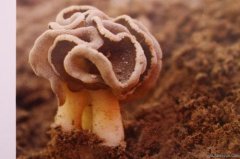
Differences Between Helvella and Morel Mushrooms, Prices and How to Eat Them Explained
How much do Helvella mushrooms cost? Helvella is a very rare type of mushroom, and the price is very high; dried Helvella generally sells on the market for 250 yuan to 500 yuan per jin. Many people mistake Helvella for morel mushrooms, so let's take a look at the differences between them.
-
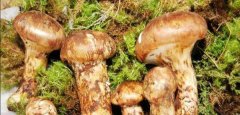
Can matsutake be cultivated artificially? Differences from wild ones and how much per jin
Can matsutake be cultivated artificially? Yes, it can, but artificially cultivated matsutake is very different from wild matsutake, so let's take a look at their differences below. Also, the prices of fresh and dried matsutake. Differences between artificial matsutake and wild matsutake: the color is different; wild matsutake
-
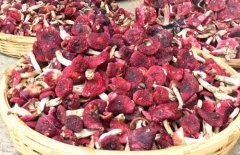
Differences Between Russula vinosa and the Emetic Russula, and Cultivation Techniques
Russula vinosa and the emetic russula are very similar, so how do you tell them apart? Can Russula vinosa be cultivated artificially? What are the cultivation techniques for Russula vinosa? Let's take a look. Russula vinosa and others have fruiting bodies that are generally medium-sized; the emetic russula, also known as the vomiting russula, looks similar to
条件筛选