-
Koi Fish Disease Symptoms and a Detailed Guide to Treating White Spot Disease
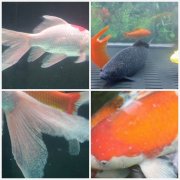
Koi white spot disease symptoms are caused by a relatively large protozoan ciliate visible to the naked eye -- Ichthyophthirius multifiliis. It parasitizes the skin, fin rays and gill tissue of koi, feeding on the epithelial cells of the koi. In severe cases, the whole body skin and fin rays...
-
A detailed guide to the living habits of Five-Color Koi, and how to keep them so they do not die easily
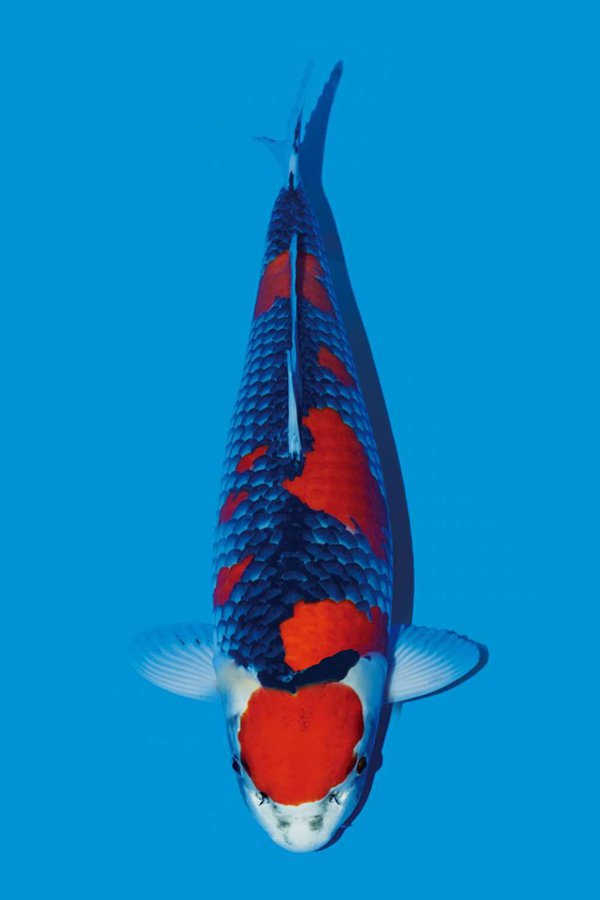
Five-Color Koi are produced by crossing Pale Yellow Koi with Tricolor Koi, and are named "Five-Color" because they carry white, red, black, and indigo on their bodies. Among White Five-Color koi, those with a particularly beautiful red pattern are considered the best. In recent White Five-Color koi, rather than polluting the red pattern with black speckled markings, most show blue emerging on a white base. What is...
-
What Are the Morphological Characteristics of Tefun Koi? A Detailed Guide
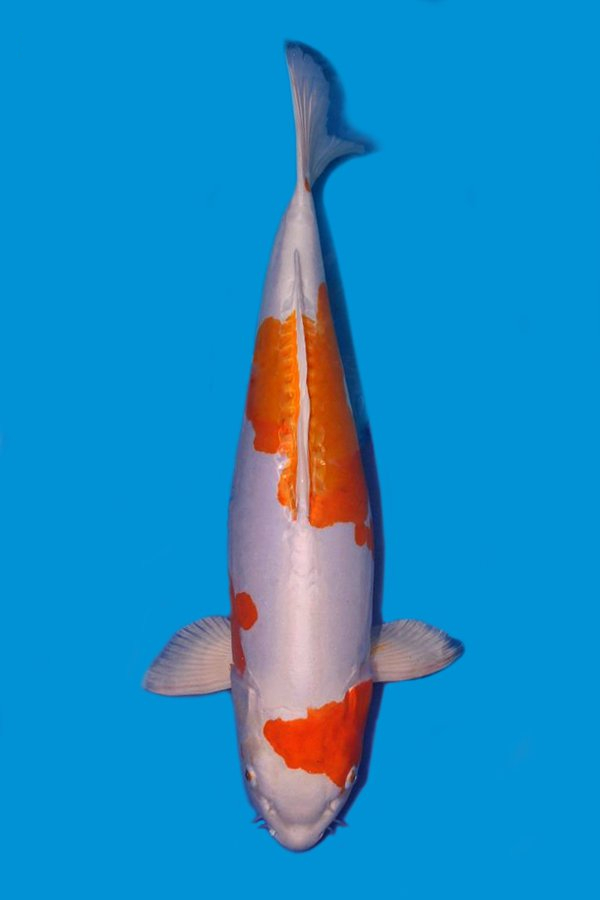
Tefun Koi Introduction: Bred by crossing Hikarimuji koi of different colors, Hikarimuji being single-colored metallic koi, Tefun koi have no black markings, and their scales are made up of two other colors, making them a glowing koi. The glowing effect is very obvious under light, and can also be seen when observing the head of the koi.
-
Is Koi Scratching Against the Tank a Sign of Saprolegniasis? A Detailed Guide to Koi Keeping Methods
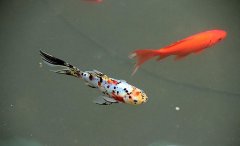
Is koi scratching against the tank a sign of saprolegniasis? First, let us understand the symptoms of saprolegniasis. Water mold is widely found in freshwater or brackish water bodies and moist soil around the world. It lives as a saprophyte on dead organic matter and is a commonly present mold, mainly including the order Saprolegniales...
-
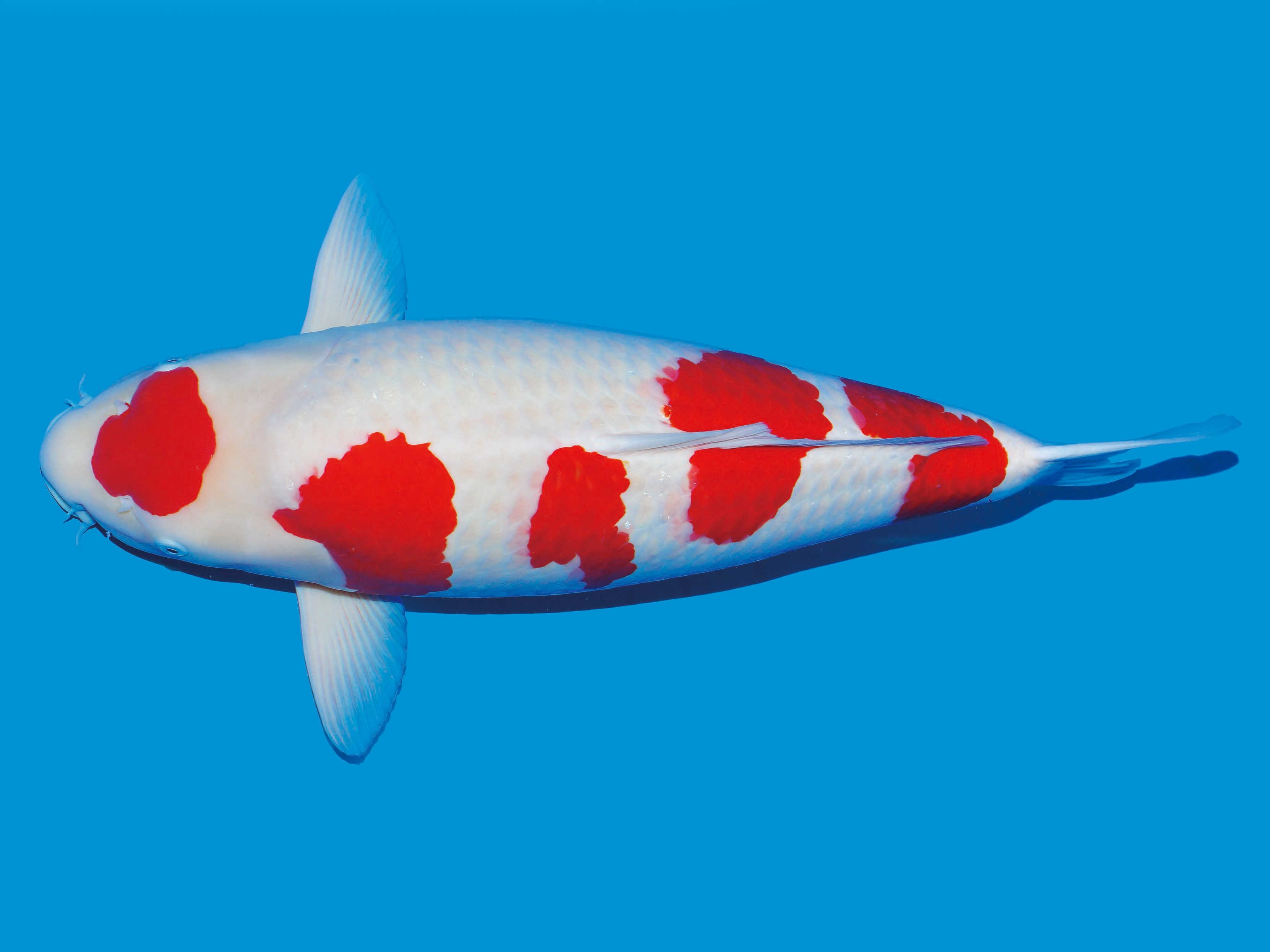
Which Koi varieties have good colors? Detailed guide to selection and culling methods
The culling of koi is mainly about eliminating poor fish and selecting good koi with ornamental value. So how do you cull to select top-grade koi with ornamental value? Culling koi is essentially about looking at the koi's body shape and red markings, and...
-
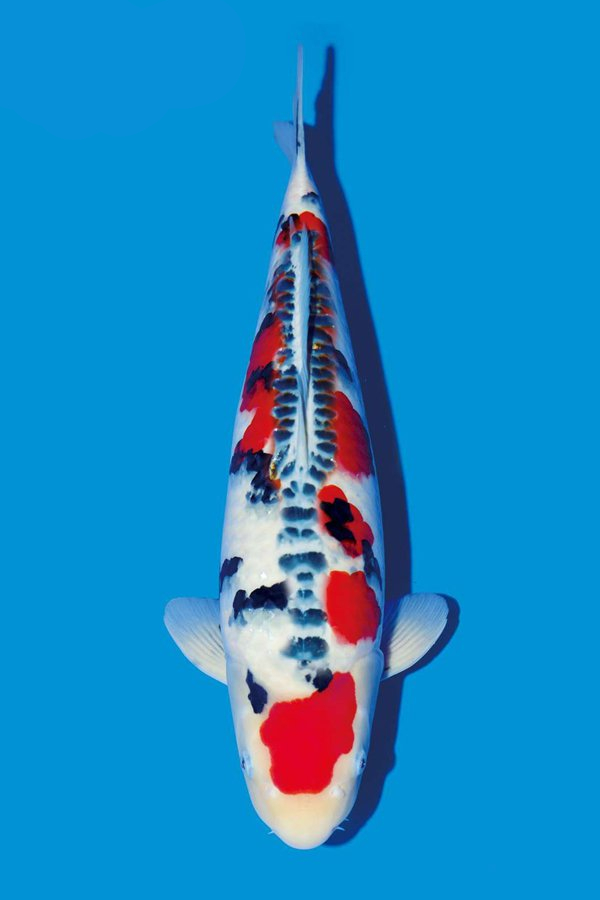
Detailed Guide to Selecting Tri-color Shusui Koi Fry
Introduction to Tri-color Shusui Koi. The Tri-color Shusui Koi is a member of the koi varieties. Although its name contains "Shusui", it does not belong to the pale-yellow Shusui variety. It is a type of Kawarimono (variant koi), with a beautiful and colorful appearance and smooth, bright skin, making the Tri-color Shusui hugely popular...
-
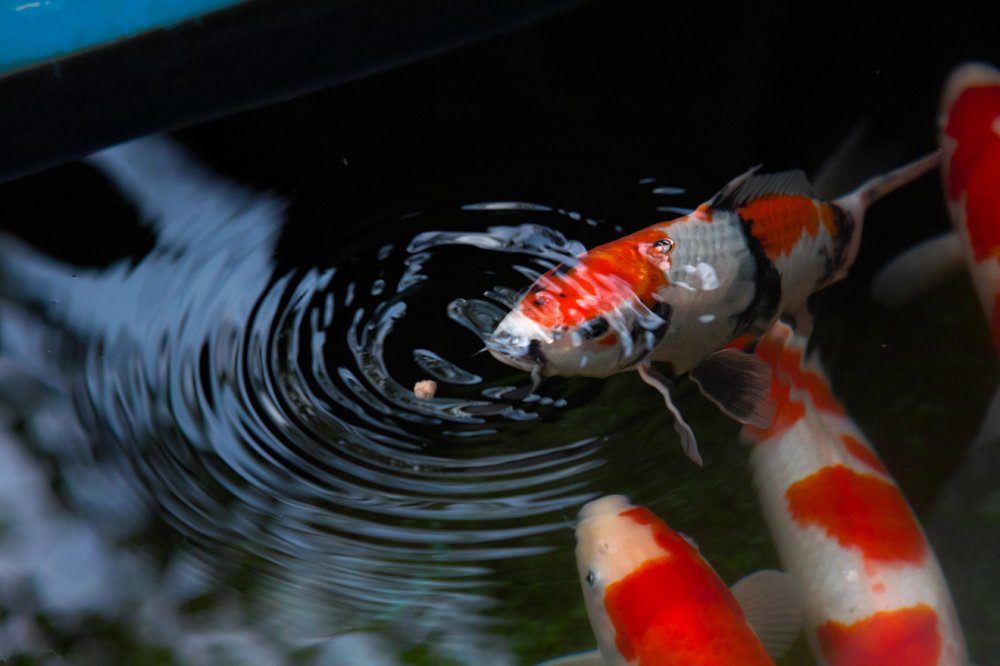
How to Choose Hardy Koi? Detailed Guide to Feeding Precautions
Feeding: For koi kept in a home aquarium, it is best to use live foods such as fish worms and tubifex worms, while koi fry need to be fed on infusoria. However, the sources of live food are limited and sometimes they cannot be bought at all, so fish worms are generally used as a substitute; if there is a complete nutritional...
-
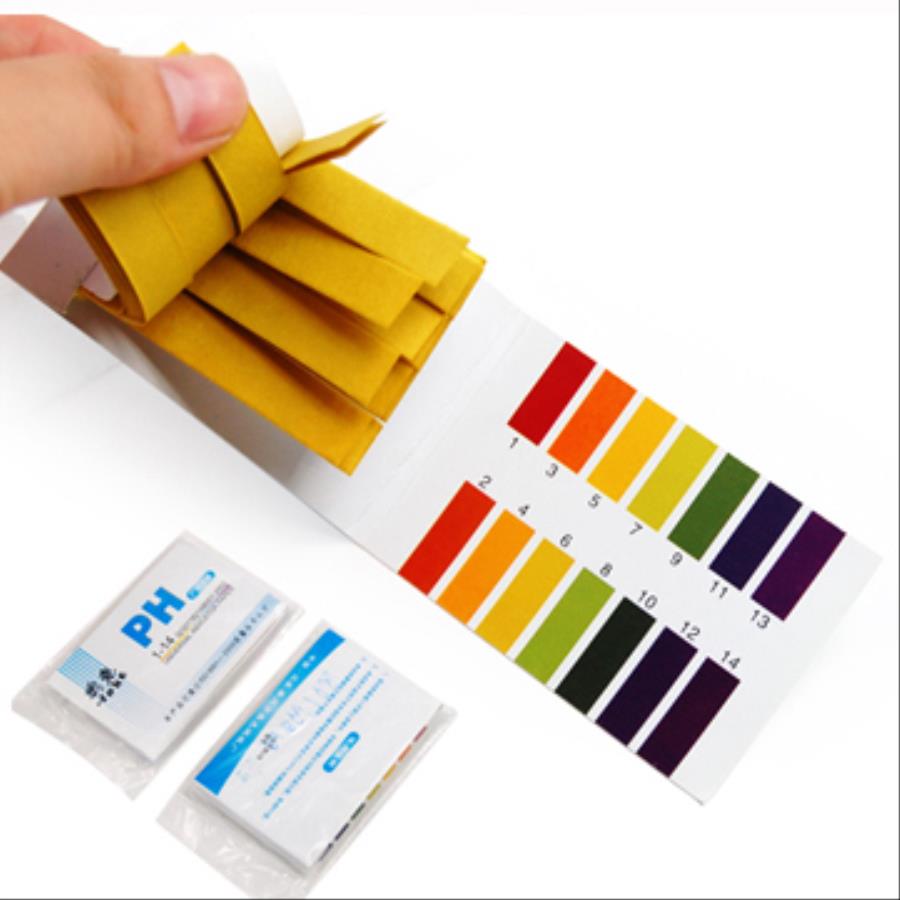
Differences Between Koi Varieties and a Detailed Guide to Aquarium Auxiliary Equipment
6. Scoop: either an aluminum scoop or a plastic scoop will do, so that koi can be lifted out together with the water without injuring the fish, ensuring the koi's safety. 7. Plankton net: this is a specialized net for collecting live food. 8. Temporary rearing tank for food: koi fish worms that have been collected or purchased cannot all be...
-
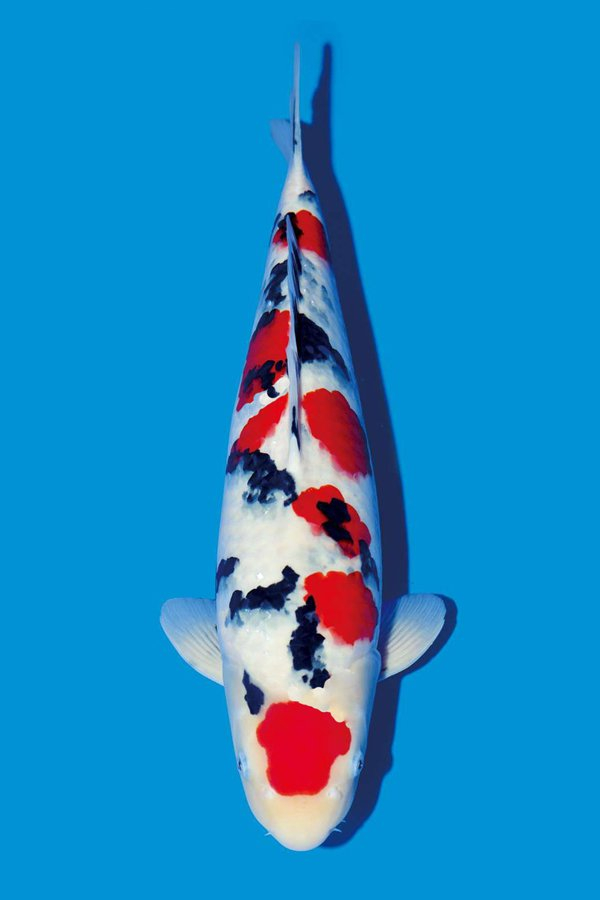
A Detailed Guide to the Breeding Techniques of Maruten Taisho Sanke Koi
Introduction to the Maruten Taisho Sanke Koi The Maruten Taisho Sanke first has an independent round dumpling-shaped red-and-white marking in the center of the head, and from just past the shoulder to the tail it displays two types of pattern states, namely red patches and black patches. Generally, red patches appear more than black patches, and black patches appear...
-
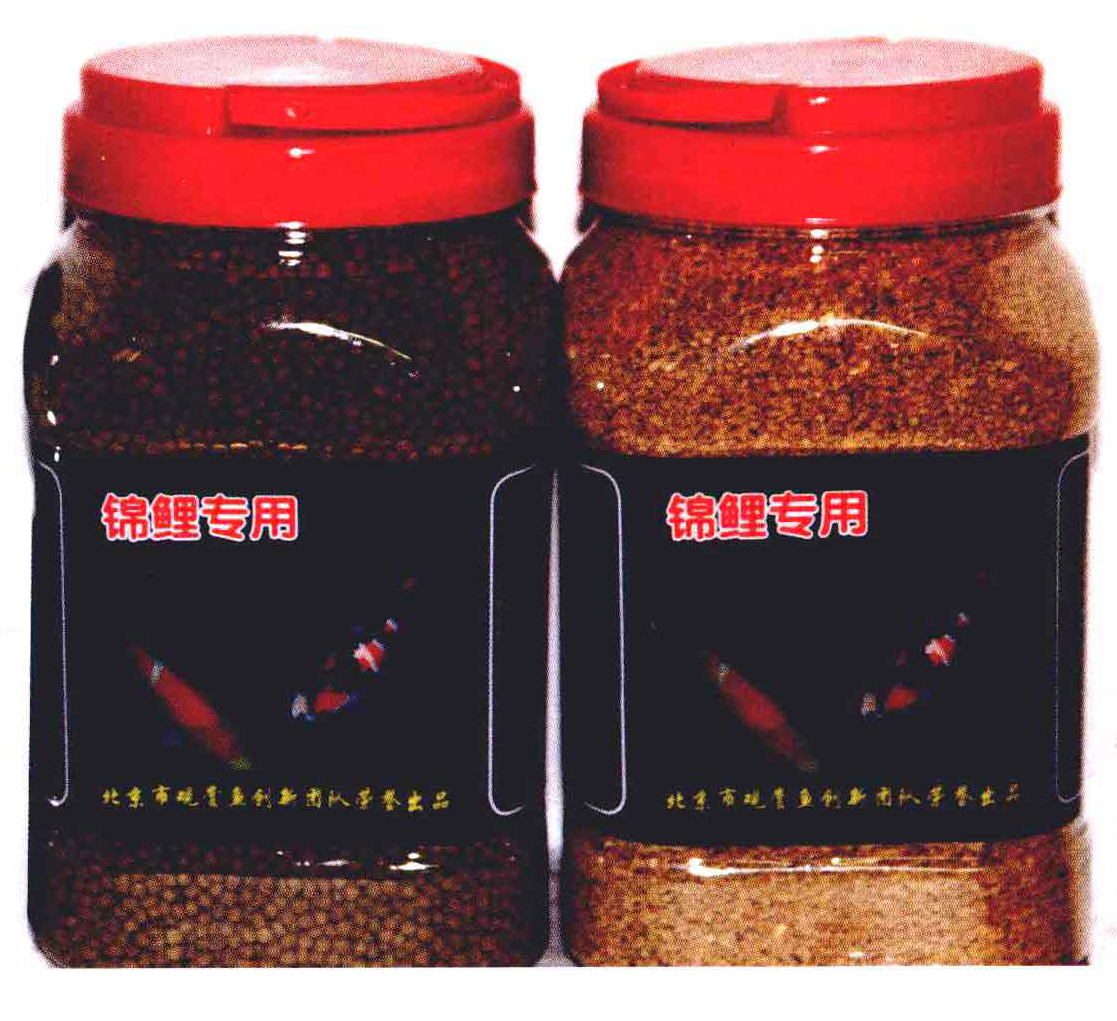
Detailed Guide to Koi Variety Selection Factors and Feed Knowledge
Koi feed can be divided into two types: natural bait and artificial compound feed. 1. Natural bait (1) Rotifers Rotifers have an extremely high reproduction rate and very high productivity, and are the opening feed for the larvae of most economically important aquatic animals. (2) Paramecia They are very small in size and widely distributed,...
条件筛选