Care Methods and Daily Management Tips for Daylily
Daylily is a member of the Hemerocallis genus. It can not only be used for ornamental purposes, but also eaten and used as medicine, with extremely high medicinal value. In daily life, many friends like to grow a few pots at home for ornamental enjoyment. So how do you care for daylily? Let's take a look together below.
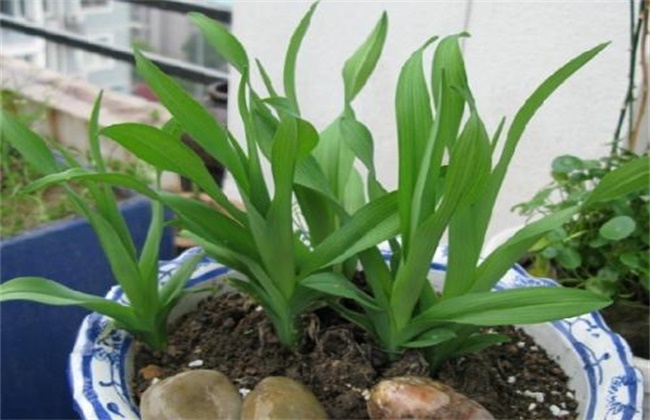
1. Soil
Daylily has relatively strong adaptability and is not very demanding about soil. When caring for it, you only need to prepare loose, breathable sandy soil to meet its normal growth needs. However, for potted plants, it is best to choose slightly acidic soil, as this is more conducive to its growth and development.
2. Light and Temperature
Sufficient light is beneficial to the growth of daylily, and the daily light duration must not be less than 8 hours. If daylily does not get enough light, it will become leggy and lose its ornamental value. Of course, during strong sunlight exposure in summer, appropriate shading is needed to avoid leaf scorching. Being placed in direct sunlight in summer may cause it to dry up and die. The optimal growth temperature for daylily is 15-20 degrees, and during the flowering period it is best to maintain 20-25 degrees. A warm environment will accelerate its growth. It also has relatively strong cold resistance and can basically overwinter safely at zero degrees.
3. Watering and Fertilizing
Daylily is a flowering plant that is relatively drought-tolerant and likes to grow in relatively dry soil, so when caring for it, be sure to pay attention to watering frequency. Generally, watering once a week is sufficient. Also, water only when the potting soil is very dry, as this will allow daylily to grow better. In addition, sufficient fertilizer will also enhance the growth of daylily. Apply liquid fertilizer once a month, preferably organic fertilizer containing nitrogen, phosphorus, and potassium. Topdressing during the flowering period can promote flowering and increase the number of flowers.
4. Pruning
When grown in pots, the branches of daylily will grow rapidly, and at this point it needs to be pruned to concentrate its nutrients. Cut off excess diseased and weak branches, which can not only increase ventilation for daylily but also reduce the breeding of pests and diseases. In the process of caring for daylily, what everyone worries about most is pests and diseases, which often lead to fewer flowers or even no flowers. However, there is no need to worry about pests and diseases; just treat the symptoms accordingly.
The above is an introduction to the care methods for daylily. We hope it can help you. If you want to learn more related knowledge, please stay tuned to us.