How to grow corn poppies? Mastering the daily care methods is key
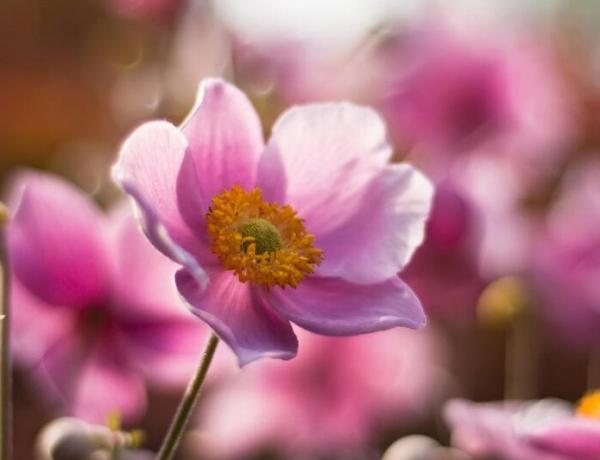
Corn poppies generally bloom from May to July, and with proper summer care, they will bloom again after autumn. Corn poppies are taprooted flowers and do not tolerate transplanting, because the roots are easily damaged during transplanting, causing the plants to grow poorly, which in turn affects normal growth and blooming. If transplanting is necessary, it is best done on a cloudy day after the seedlings have grown leaves. Before transplanting, water thoroughly, and when digging up the seedlings, keep as much of the original soil as possible to avoid damaging the roots, which can increase the success rate of transplanting.
Corn poppies prefer a sunny environment with dry, cool air, and they are not demanding about soil, so after transplanting keep the environment dry and cool. Although they are not demanding about soil, when transplanting you should still choose loose, fertile sandy soil. Corn poppies should not be watered too much; just keep the soil slightly moist.
Do not fertilize too much either, otherwise it will affect blooming and reduce the ornamental value of the plants. Fertilizing is generally done during the period from bud formation to flowering, and a thin fertilizer solution should be applied.
After the flowers bloom, promptly cut off the withered blooms, which avoids wasting too many nutrients. Cutting off the withered blooms will make the remaining flowers bloom better and for longer. If diseased plants are found during care, deal with them promptly. You can first pull out the diseased plants to avoid infecting other plants, or you can apply pesticide for control.