-
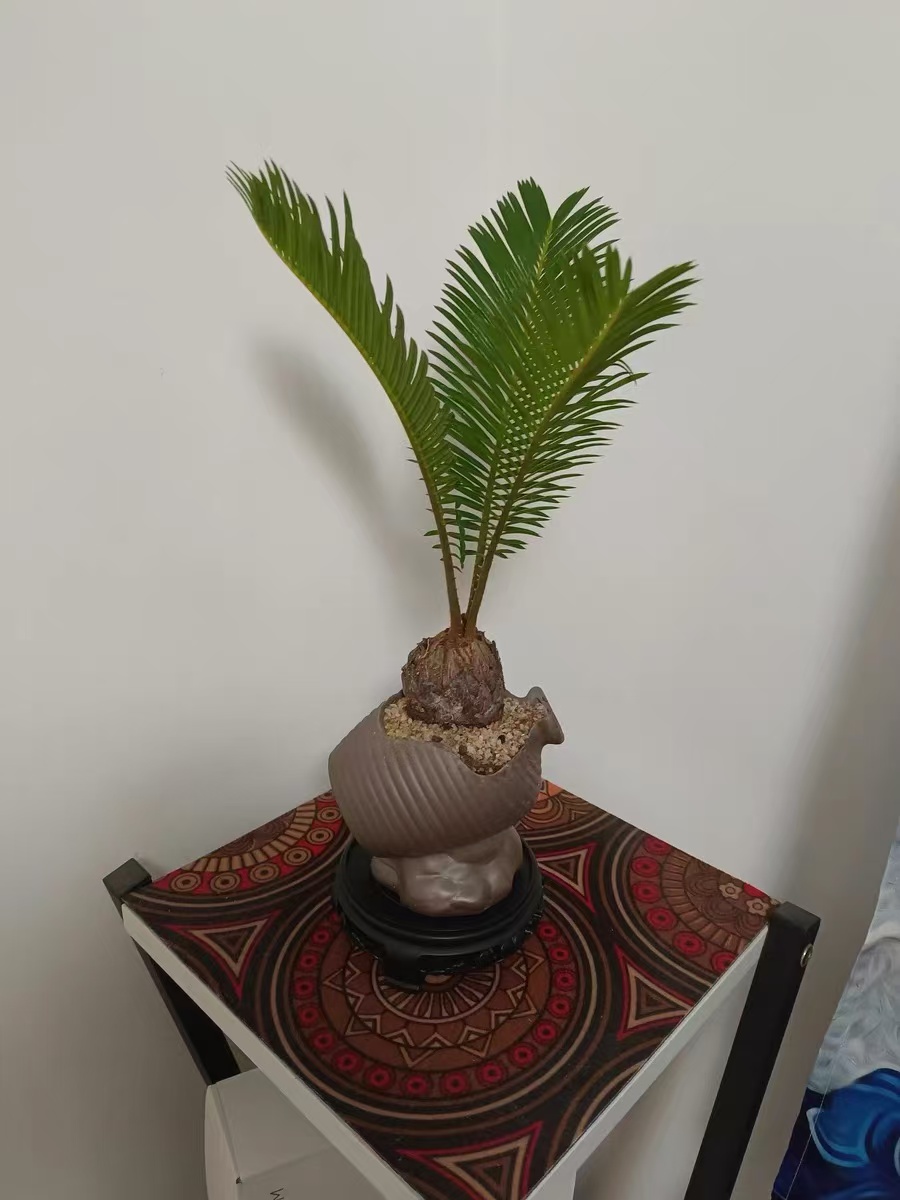
Is Cycas a fern?
Cycas is a popular ornamental plant. However, many enthusiasts still have certain questions regarding its classification and cultivation methods. The following
-
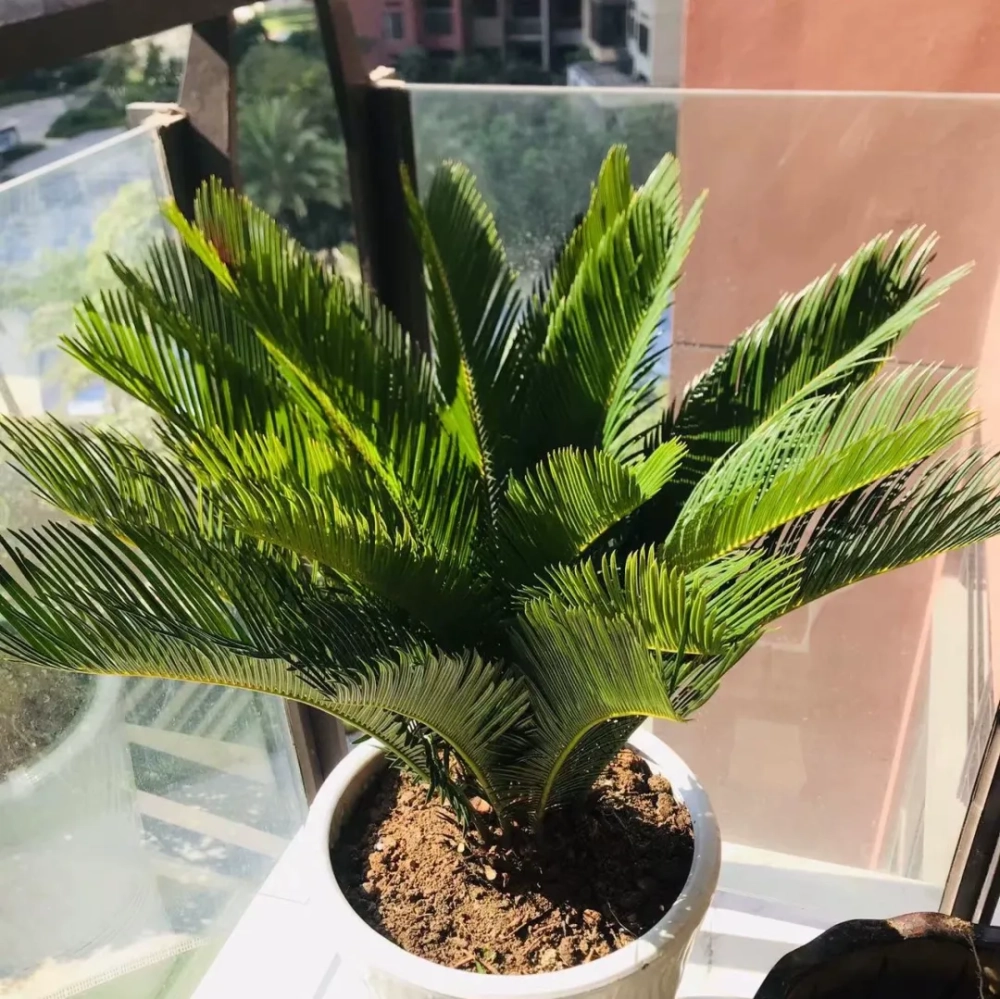
How to Cultivate Potted Cycas revoluta?
Cycas revoluta, with its scientific name Cycas, is an ancient and unique potted plant. It is deeply favored by numerous plant enthusiasts due to its tenacious
-
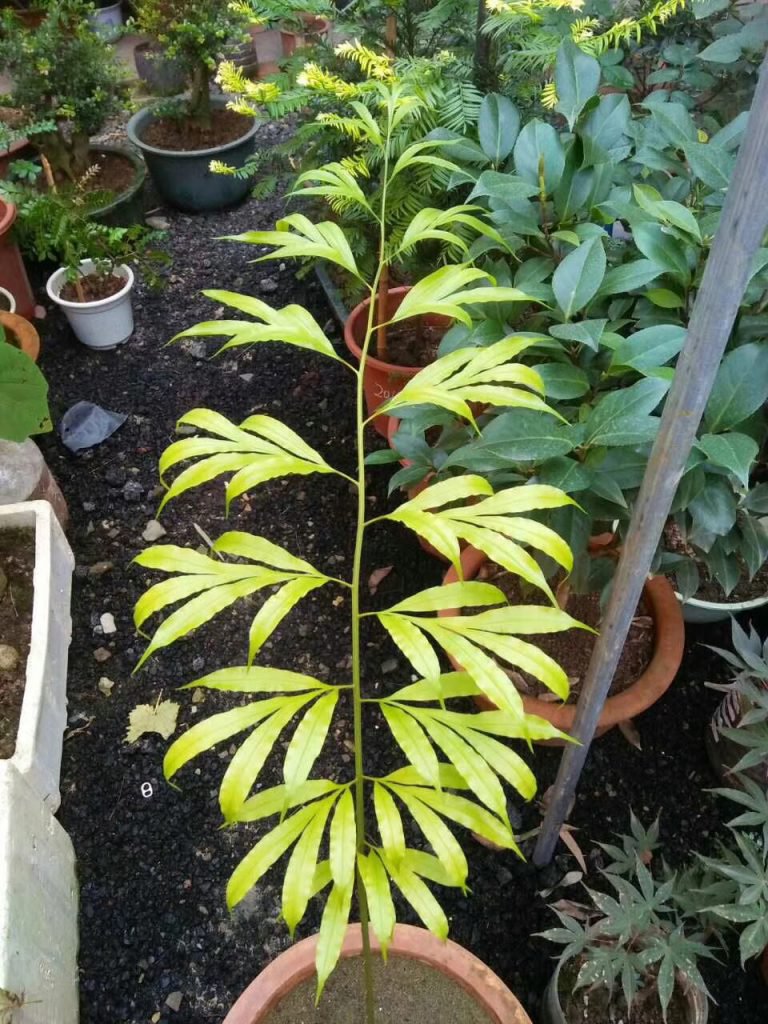
How to grow potted Cycas debaoensis? Care management and answers to common questions
Cycas debaoensis Y.C.Zhong et C.J.Chen is a species endemic to China, a national* first-class protected species, with extremely* high research and ornamental value
-
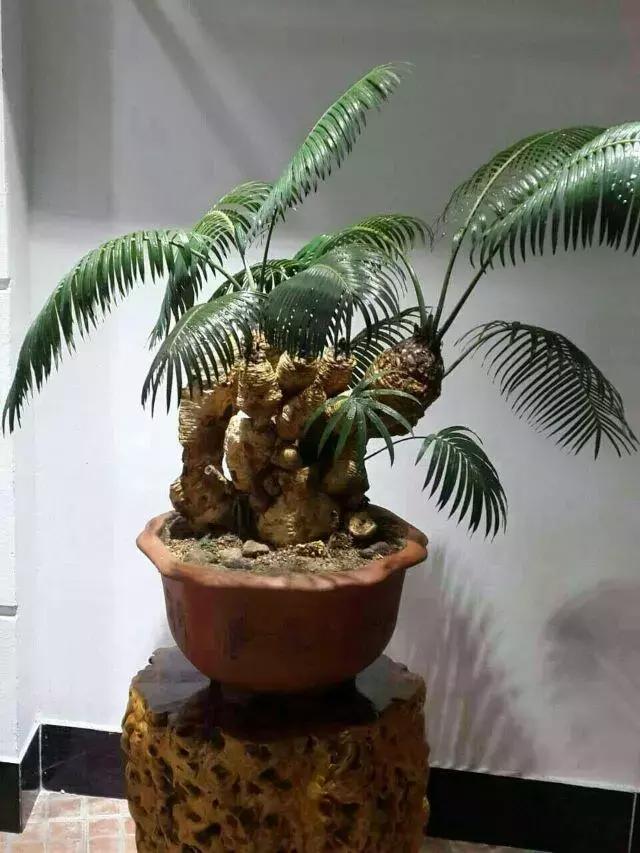
Appreciation Highlights and Care Management Methods of Cycas sexseminifera
Cycas sexseminifera is a rare cycad species endemic to China, also known as mountain pineapple, few-spined cycad, immortal rice, rusty-haired cycad, etc. It is distributed in low-altitude limestone mountainous areas in Fusui County, Longzhou County, Pingxiang City, Ningming County, Wuming District of Nanning City, Tianyang County, Jiangzhou District of Chongzuo City and other places in Guangxi, often growing in limestone crevices
-
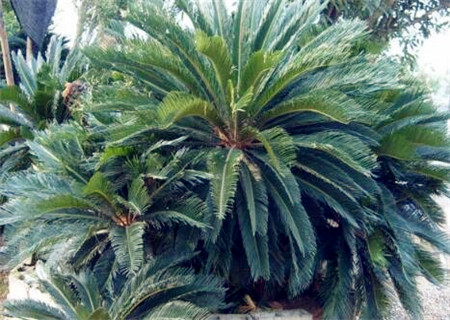
Origin, planting method and solutions for non-forking leaves of Cycas balansae
Cycas balansae is a plant of the genus Cycas, named for its broad leaves. Its Latin scientific name honors its discoverer, the French botanist Benedict Balansa, hence the Chinese name is also transliterated as Balansa cycad. So where is its main origin? How do you plant it? What should you do if the leaves do not fork?
-
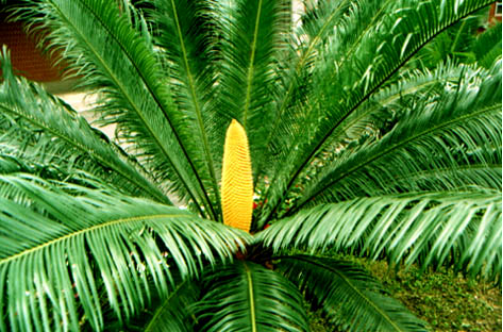
How Does Cycas Reproduce? Introduction to Common Cycad Propagation Methods
There are roughly 2 propagation routes: sexual reproduction, i.e. seed propagation, and asexual reproduction, i.e. separating the suckers at the base of the plant for propagation. As for the specific propagation methods, please refer to the introduction on cycad propagation methods on this site. If you want your cycad to grow well
-

-
What are the cultivation methods and precautions for sago palm (Cycas revoluta)?
Soil: Sago palm needs a well-drained, loose, fertile, slightly acidic sandy soil. Light: place it in a spot with plenty of sunlight, especially when it is growing new leaves. Temperature: in winter it should not go below ten degrees; during high temperatures, spray water to cool it down. Water: once every three to five days in spring and autumn; twice a day in summer; once every ten days in winter. Fertilizer: mainly nitrogen and potassium fertilizers.
条件筛选