-
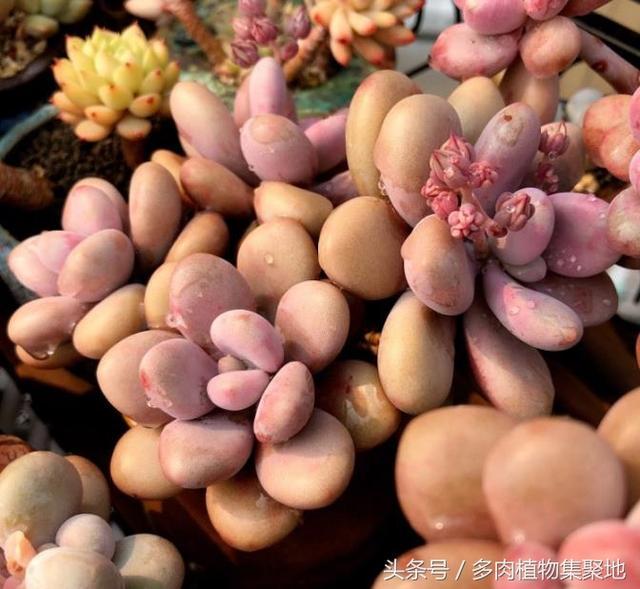
Succulents prone to black rot and root rot during consecutive rainy days: 2 easy prevention tips
The aftereffects of succulents getting too much rain are usually leaves starting to turn to mush, and black spots may even appear before they turn to mush. Once black spots appear, it is depressing, as it is usually black spot disease. Succulents with tightly packed leaves are the most vulnerable, such as Aloe nobilis, Sedum adolphi,...
-
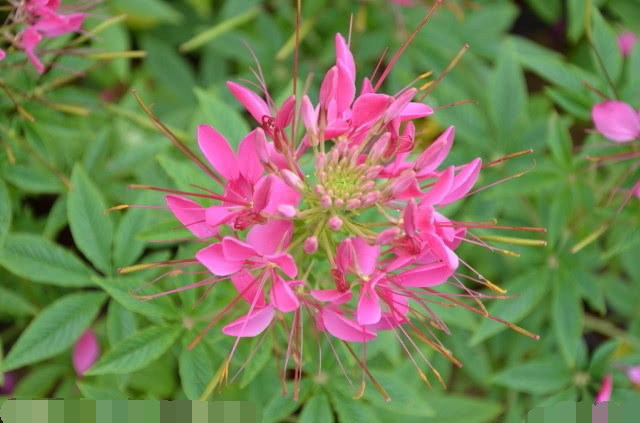
Why is the Cleome considered a symbol of mystery?
Cleome: An annual herbaceous plant. The flowering stems are upright, and the plant height is 40 cm-60 cm, with some varieties reaching 1 m. The stems bear fine sticky hairs and give off a strong, distinctive odor; the leaves are palmately compound, with 5-7 leaflets,...
-

-

Bonsai: A Rare Auction House Rising Star That's Hard to Fake, Hong Kong's Cai Yongchang Deconstructs Its Value
A Rare Auction House Rising Star That's Hard to Fake - Hong Kong's Cai Yongchang Deconstructs the Value of Bonsai. Written by: Zhang Qixia Photography: Chen Zongyu. The history of bonsai art dates back to the Tang Dynasty. In the tomb of Crown Prince Zhanghuai, there still remains a mural of a maid holding a potted plant. In Song Dynasty literary works...
-
A complete analysis of the pros and cons of soft potting media for orchids, essential reading for orchid growers
The orchid grower's bible: the pros and cons of soft potting media (repost)
-

What are the consequences of poor gas exchange in the growing medium inside an orchid pot?
Consequences of a poor gas exchange rate in the medium inside an orchid pot
-
What are the fertilization methods? A side-by-side look at the pros and cons
The methods of fertilizing and their gains and losses
-

What are the pros and cons of using coal cinder to grow orchids?
Pros and cons of using coal cinder to grow orchids
-
-
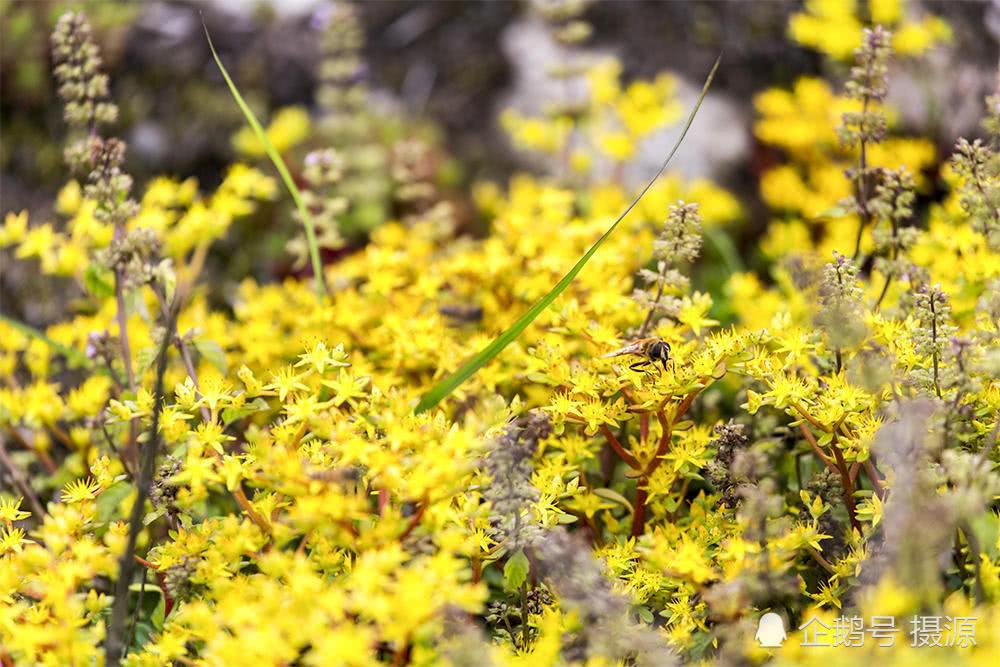
This inconspicuous little yellow flower in the wild is so beautiful, and many people have never seen it.
Stringy stonecrop (scientific name: Sedum lineare Thunb.) is a perennial herbaceous plant in the Crassulaceae family, hairless. The stems are 10-20 cm tall. Leaves are in whorls of 3, rarely in whorls of 4 or opposite, linear, with a bluntly pointed tip, a sessile base and a short spur. The inflorescence...
条件筛选