-
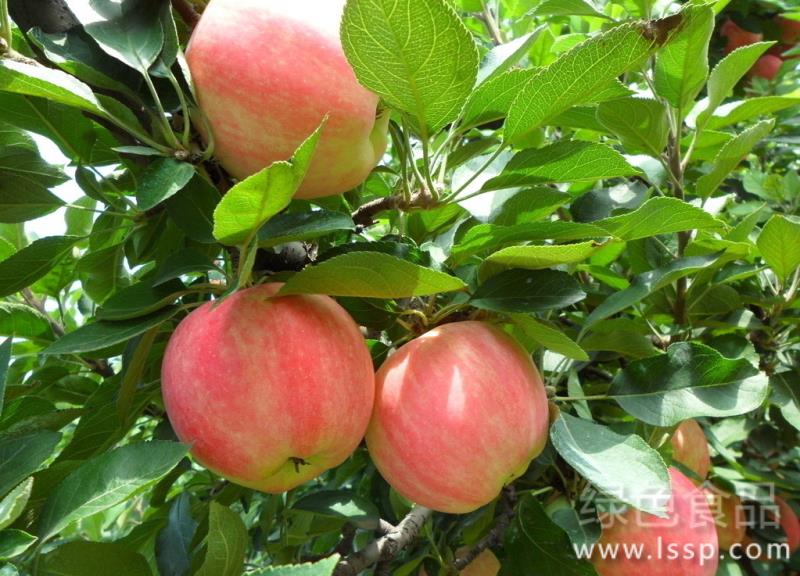
Comprehensive Winter Management Techniques for Apple Trees: Building Strong Tree Vigor Is Key
Building Strong Tree Vigor: Comprehensive Winter Management Techniques for Apple Trees
-
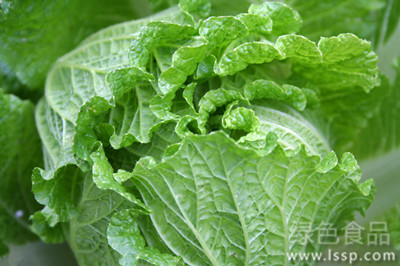
Comprehensive Pre-Sowing Pest and Disease Prevention Measures for Chinese Cabbage
Preventing Pests and Diseases - Comprehensive Pre-Sowing Prevention Measures for Chinese Cabbage
-

A Comprehensive Guide to Common Pothos Varieties, with Care Tips
With the improvement of people's living standards, growing pothos has become a way of life for many. But when it comes to how many varieties of pothos there are, friends may not be clear; in fact, there are quite a lot of pothos varieties.
-
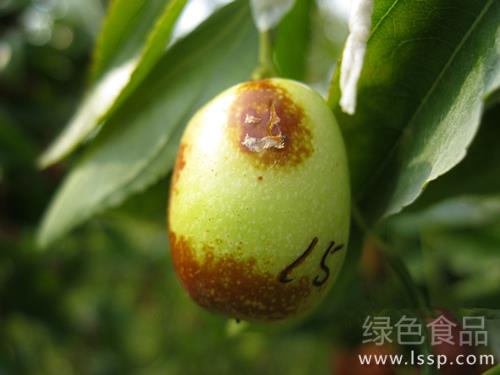
Jujube fruit rot causes the jujube flesh to become soft, with a wine-like odor and a moldy, sour taste. How can it be comprehensively controlled?
Comprehensive control measures for jujube fruit rot, which causes soft flesh with a wine-like odor and a moldy, sour taste
-
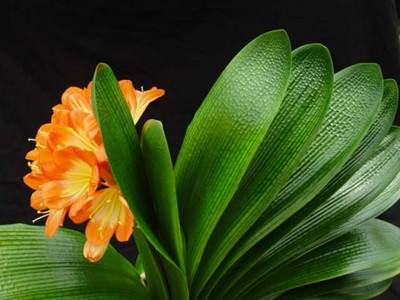
A Comprehensive Analysis of Clivia Appreciation and Evaluation Standards
For many years, when people have purchased mid-to-high-end clivias, they have mostly based their choice on the quality of the leaves, essentially disregarding the flowers and other conditions. Therefore, the clivia appreciation and evaluation standards are of course leaf-oriented. To sum up, there are mainly + criteria
-

Comprehensive growth regulation technology for high-density cultivation of cotton variety 81-3
The 81-3 variety has the characteristics of a high boll-setting rate per plant, strong boll retention, disease resistance, high yield and good quality, and is currently the main variety planted by our regiment. At the same time, the 81-3 variety also has the characteristics of weak growth vigour at the seedling stage, gradually strengthening growth vigour at the bud stage, strong growth vigour at the flowering stage, no premature senescence in the late stage, and a rather long growth period. To obtain large-area abundant and high yields under high-density cultivation conditions, it is necessary, on the premise of scientifically and rationally managing water and fertiliser, to coordinate the relationship between vegetative growth and reproductive growth of cotton, and to master the comprehensive growth regulation technology for high-density, high-yield cultivation of 81-3.
-
Comprehensive control methods for soybean root-knot nematode disease
Soybean root-knot nematode disease, also known as "Fire Dragon Seedling," is a whole-plant disease caused by nematodes attacking soybean roots, leading to bacterial infection and disease. Affected plants grow slowly, with short, small, and yellowing stems and leaves, delayed flowering, few and small pods, and shriveled seeds; in severe cases, no pods form, or even the entire plant dies. Soybean root-knot nematode disease spreads rapidly, and the pathogenic nematodes can survive in the soil for a long time. Once the disease occurs, it is very difficult to eradicate completely, so comprehensive control measures must be adopted: 1. Select and sow disease-resistant varieties; 2. Control the source of infection
-
Comprehensive High-Yield Cultivation Techniques for Soybean in High-Cold Regions
Soybean is the main crop in the Jiamusi region of Heilongjiang Province, with an annual sown area of more than 900,000 mu, accounting for more than 75% of the total sown area. For a long time, due to the cold climate, short frost-free period, insufficient accumulated temperature, and lack of suitable varieties, soybean yields have remained stagnant at only about 150 kg, and in disaster years even less than 100 kg. In view of this, based on the climatic characteristics of Heilongjiang Province, we have developed several techniques suitable for soybean
-
A Comprehensive Guide to Scientific Control Methods for Soybean Aphids
Soybean aphids are commonly known as "ni chong" (greasy bugs) or "mi chong" (honey bugs). They mostly gather on the growing points, top leaves and backs of young tender leaves of soybean plants, piercing and sucking sap to cause damage. This results in leaf curling, plant stunting and reduced yield, and they can also transmit viral diseases, causing yield loss and quality decline. This pest begins to appear in soybean fields in mid-to-late June, and causes severe damage during hot, dry weather. Soybean aphids have a very strong reproductive capacity; a single female can produce 50-60 offspring, and under suitable conditions, young aphids can give birth after about 4-5 days, and can reproduce 15
-
How to grow summer sesame? A detailed guide to comprehensive high-quality pollution-free cultivation techniques
Sesame is a major oil crop in Linquan County and a leading industry among cash crops, renowned both at home and abroad for its large area, high yield and excellent quality. The "Shenghe" brand sesame oil, "Longmao" brand refined sesame and "Yingxian" brand washed sesame produced by several leading sesame processing enterprises such as "Baoding Grain and Oil Co., Ltd." in the county have obtained China Green Food Grade A standard certification and pollution-free agricultural product certification. In order to improve sesame quality and meet the production requirements of pollution-free agricultural products, on the basis of promoting the results of the "six reform measures for sesame" researched in the county, after many
条件筛选