-

How Do Blueberries Reproduce? A Detailed Guide to Common Propagation Methods
How do blueberries reproduce? Please explain - there are many propagation methods for blueberries, such as cuttings, seed propagation, division, and other methods. At present, blueberries cultivated in China are usually propagated mainly by cuttings in production, and other methods such as seed seedling raising, rhizome cuttings, and division are also used. In recent years, through the continuous efforts of growers, in-depth research has been conducted on methods such as tissue culture, and a relatively simple blueberry propagation method has been explored for various regions. The factory-based tissue culture seedling method has been applied in production. The development and application of this technology has provided a large number of virus-free seedlings for blueberry production, and has gradually become the direction of future high-quality blueberry seedling production.
-

3 things commonly seen in wealthy people's homes, said to invite the God of Wealth in through the door
The decorative choices in our homes are also very particular. If you display the right things, not only can they make the home look better, they can also serve other purposes. For example, placing certain suitable items in the house expresses...
-
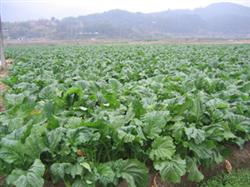
How to grow mustard greens? A detailed guide to common growing methods
How are organic stem mustard greens cultivated? Please introduce the methods. For the cultivation of organic stem mustard greens, you can refer to the following methods: 1. Sowing and raising seedlings. ① Selecting the seedbed. Choose soil that is deep, loose, rich in organic matter, facing the sun, and convenient for drainage and irrigation. Avoid vegetable plots where cruciferous crops such as Chinese cabbage, cabbage, and ercai have been grown...
-
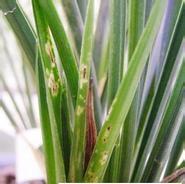
Common Types of Orchid Viruses and Analysis of Their Transmission Routes
I. Common Orchid Viruses 1. Cymbidium Mosaic Virus (CyMV) (1) Symptoms Orchid plants infected with Cymbidium Mosaic Virus often tend to develop necrotic symptoms, such as black necrotic spots, necrotic streaks, etc. In addition to necrosis on the leaves and stems, infected plants also develop necrosis on the flowers, which is a symptom unique to Cymbidium Mosaic Virus. Orchid varieties susceptible to infection include Cymbidium sinense, Cattleya, Oncidium, Cymbidium hookerianum, Vanda, and Phalaenopsis. Necrotic spots sometimes appear only on the lower surface of leaves and not on the upper surface; this phenomenon occurs in Oncidium, Dendrobium, Vanda, and Phalaenopsis, and is therefore often mistaken by growers as being caused by fungal infection. Some Cymbidium plants infected with Cymbidium Mosaic Virus, such as Cymbidium hookerianum, Cymbidium sinense, Oncidium, and Phalaenopsis, also produce yellow-green mottled mosaic or yellow chlorotic streak symptoms. In addition, some orchid species show no recognizable symptoms after infection.
-
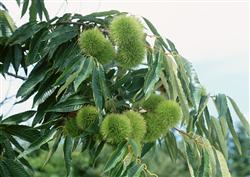
What varieties of chestnut are there? Introduction to common chestnut varieties
What varieties of chestnut are there? Please give an introduction. Traditional chestnut production relied on seedling propagation, and the so-called varieties were mostly primitive groups, such as Zhen'an Large Chestnut, Chang'an Mingdong Chestnut, Hanzhong Grey Chestnut, Xunyang Large Chestnut, Baoji Society Chestnut, Weinan Kui Chestnut, Huanglong Small Chestnut, etc. After the 1960s, superior trees began to be selected...
-

A Detailed Guide to the Prevention and Treatment of Common Orchid Diseases
1. Phytophthora disease Symptoms: It occurs all year round, but is most severe during the plum rain season, when watering is too wet or ventilation is poor, and seedlings that have just come out of the flask are especially vulnerable. Brown spots form at the infected site, and under high temperature and high humidity they rapidly expand, eventually becoming dark brown patches, with leaves dropping and stems rotting until the plant dies. Prevention and treatment methods: ...
-

The head of the four great famous woods, imperishable for a thousand years, commonly known as wood gold, a windfall if you come across it
Today's society develops very fast, one could say it changes with each passing day. Things that were unimaginable in the past have now become essentials almost everyone cannot do without. For example, computers, mobile phones, smart furniture - this was unimaginable 20 years ago. ...
-
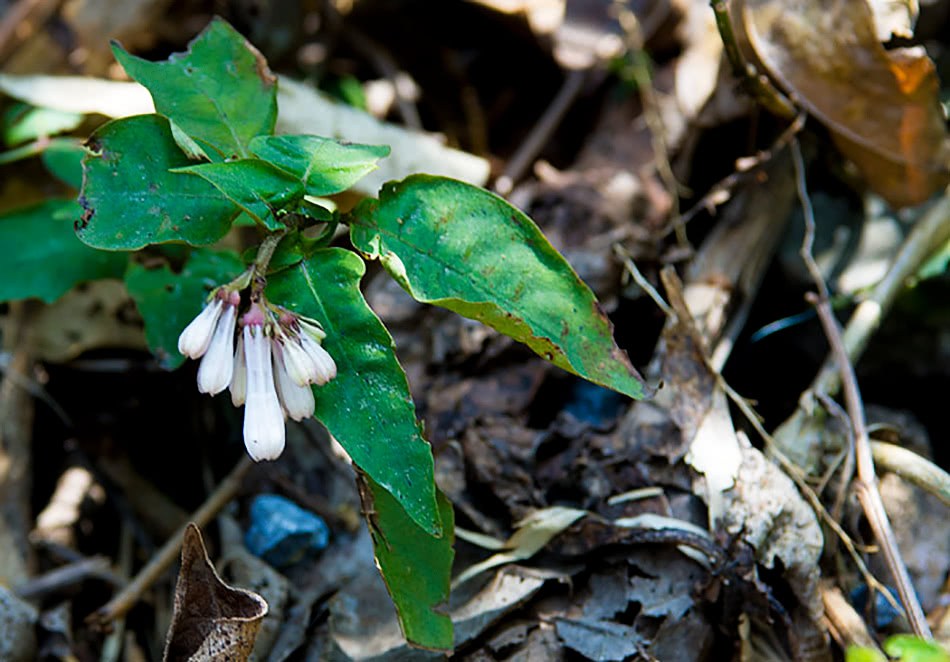
The wild grass in the mountains is commonly known as "Wuqiangtou" (Black Spearhead), growing where snakes appear, and snakes fear it at the sight of it.
Nowadays, most areas are quite hot in summer, but in some regions of southern China, summers are rather hot and humid, such as in the mountainous areas of Sichuan, western Hubei, Guizhou, and Yunnan, and thus when summer arrives in these areas...
-
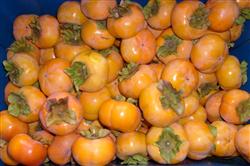
What drug is used to ripen sweet persimmons? Recommended common ripening agents
What drug is used to ripen sweet persimmons? Please give an introduction. The most commonly used agent for ripening sweet persimmons is ethephon. It is best to buy small packages; most large packages locally are used for defoliating old leaves in the late stage of cotton, and unscrupulous manufacturers generally add sulfuric acid to them. Its use is spraying before boxing, and the dosage is based on the instructions and determined by referring to the length of the journey, temperature...
-
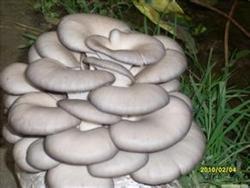
What are the common problems during the mycelium running stage of oyster mushrooms? Solutions included
In oyster mushroom cultivation, pests and diseases are stumbling blocks. Recognizing and controlling them promptly is of great significance for normal production. Once pests and diseases are found, failure to take timely measures will seriously affect oyster mushroom yields and sometimes cause total crop failure. Therefore, one should choose excellent and highly resistant spawn strains, strengthen scientific management, and create conditions favorable for mushroom mycelium...
条件筛选