-
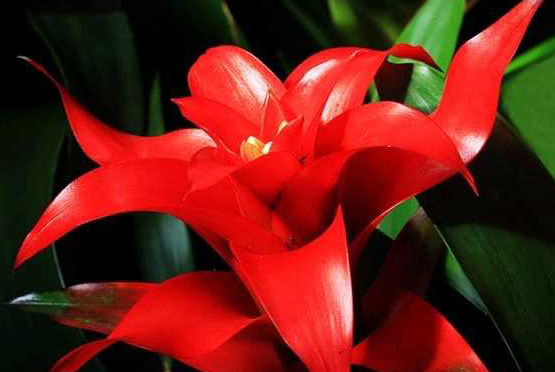
How to grow Aechmea fasciata to keep its flower colors vivid
Aechmea fasciata, also known as the silver vase plant. It is a perennial epiphytic evergreen herbaceous plant. The leaves are green, leathery, with beautiful silvery-white stripes; the panicle is pyramidal, bearing pale rose-red bracts, and the small flowers are sessile and pale blue. It blooms in summer, and the flowering period can last up to 3 months. Aechmea fasciata prefers a semi-shaded environment
-
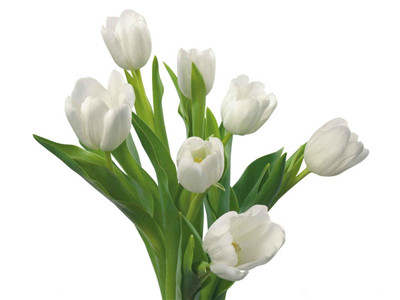
What causes tulip petals to show different colors?
When cultivating tulips, sometimes the petal colors are not pure, showing color variations of different shades. This happens because the tulips have contracted color-breaking petal disease. Tulip color-breaking petal disease is a viral disease that has a major impact on tulips, reducing the value of cut flowers, and
-
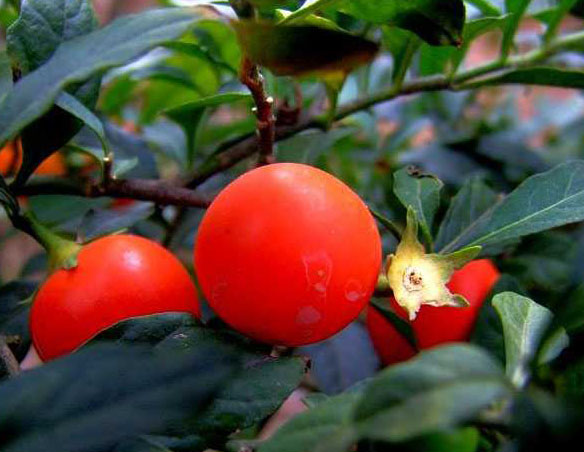
What conditions are needed for the Jerusalem cherry to have bright, colorful fruit?
The Jerusalem cherry, also known as coral cherry, lucky fruit, coral seed, coral bean, jade coral, red coral, wild chili, wild sea pepper, false winter cherry, and four-season fruit. It is an upright small shrub in the Solanaceae family. Its leaves are oblong or oblanceolate. The flowers are solitary or clustered in the leaf axils, with a white corolla. The fruit is spherical, turning red or yellow when ripe.
-
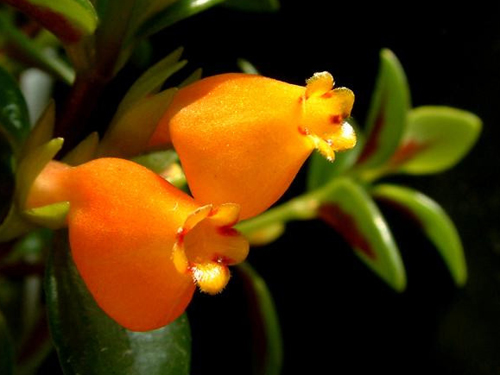
Under what conditions can the small-leaf goldfish plant produce abundant, brightly colored flowers?
The small-leaf goldfish plant (Columnea microphylla) is a perennial herbaceous or subshrub evergreen plant. Its leaves are extremely small and button-like. The stems and branches are slender and trailing. The flowers are solitary in the leaf axils. The corolla is scarlet with a yellow throat. (1) It prefers a warm, humid and bright environment. In spring, summer and autumn it can all be placed indoors in a spot with bright diffused light.
-
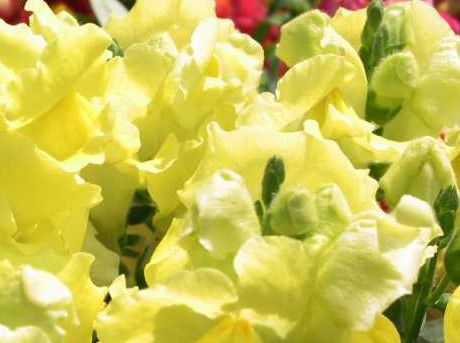
How to grow snapdragons for rich, vivid flower colors? These conditions need to be met
Snapdragon, also known as dragon's head flower, wild snapdragon, etc. It is a perennial herbaceous plant, often cultivated as an annual or biennial flower. The stem is upright, the raceme is terminal, the corolla is tube-shaped and two-lipped, and the flower colors include pink, red, yellow, white, purple and mixed colors, etc. The flowering period is from May to July. The inflorescence is relatively long, and the flowers open from the lower part of the inflorescence upward. The flower colors are rich
-
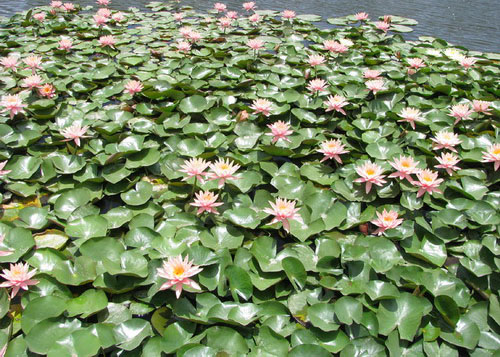
Nymphaea 'Colorado' is an excellent aquatic flower variety.
The water lily can rightly be called a world-class famous flower; it belongs to the genus Nymphaea within the family Nymphaeaceae. Its Latin name is nymphaea, a name derived from the Greek word nymph, meaning roughly a serene, pure and beautiful goddess of mountains and rivers; in Egypt, the water lily is sometimes hailed as the bride of the Nile river god.
-

Detailed Explanation of the Cultivation Method for a Single Dahlia Plant with Multiple Colors
A single dahlia plant with multiple colors can be cultivated by grafting. Select a high-quality tuberous root that is well developed, disease-free and without buds as the grafting mother plant. According to different flower color varieties, select branches of uniform thickness and length that bear terminal buds as scions, and cut them into a duck-bill shape. Make a cut on the mother plant and quickly insert the scion
-

Peony flower benefits and uses: rich colors, strong ornamental value, and medicinal use in treating gynecological diseases
The peony flower is a very beautiful flower with rich colors. Keeping it at home can not only purify the air but also beautify the home environment. But did you know that besides being ornamental, the benefits and uses of the peony flower also include being a traditional Chinese medicinal herb, with remarkable effects on treating women's diseases and regulating the body's metabolism
-
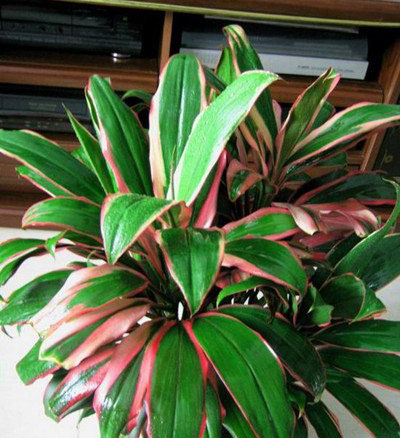
A detailed guide to the propagation methods of the three-colored cordyline, easy to learn at a glance
The three-colored cordyline, also known as the three-colored ti plant, is an evergreen shrub in the Agavaceae family. It prefers a warm, humid and semi-shaded environment and fears direct strong light. Its optimum growth temperature is 20-25°C. It is not cold-tolerant and fears waterlogging. It is suited to loose, fertile, well-drained, slightly acidic sandy loam. The three-colored cordyline is commonly propagated by cuttings.
-
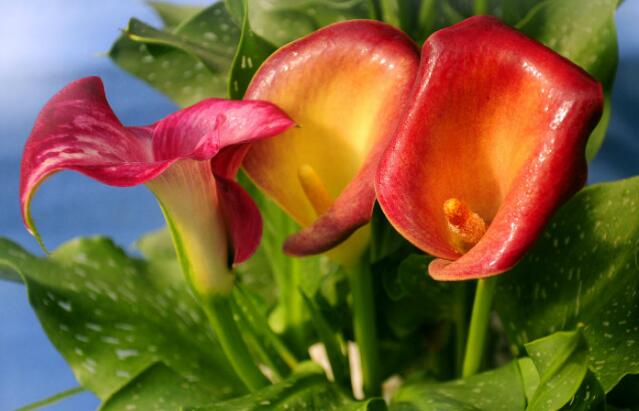
How to handle colored calla lilies after flowering? Growing methods and key points on avoiding waterlogged hearts
When people talk about calla lilies, everyone thinks of their pure white, lovely flowers. In fact, besides white, colored calla lilies are also very beautiful. It is said that colored calla lilies are also called colored arum lilies. Their flower colors are vivid and their symbolic meaning is beautiful, making them a favorite of many flower lovers. So compared with white calla lilies,
条件筛选