-
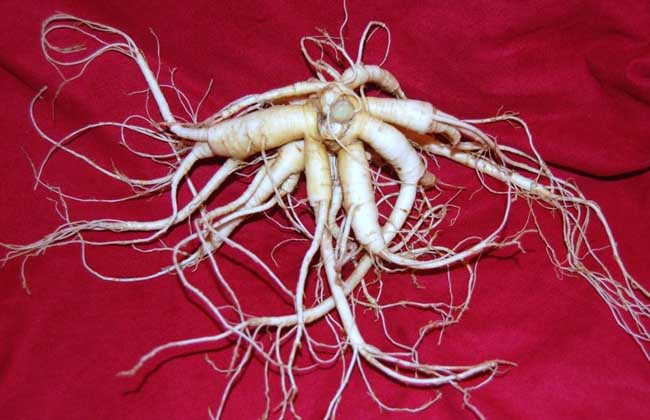
What is the difference between ginseng and codonopsis? Mainly look at these aspects
The difference between ginseng and codonopsis
-
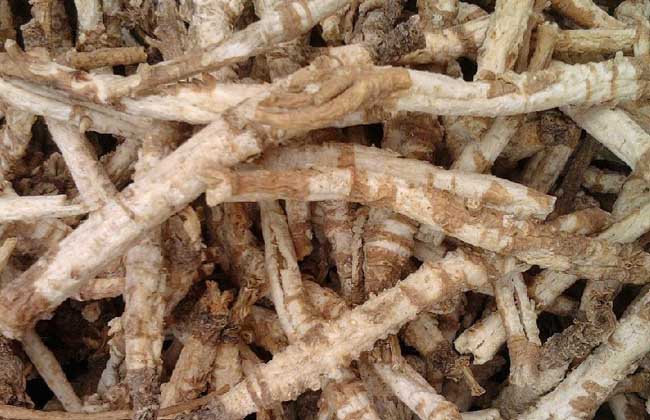
What is the difference between sand ginseng and codonopsis? A quick guide to telling them apart
The difference between sand ginseng and codonopsis
-
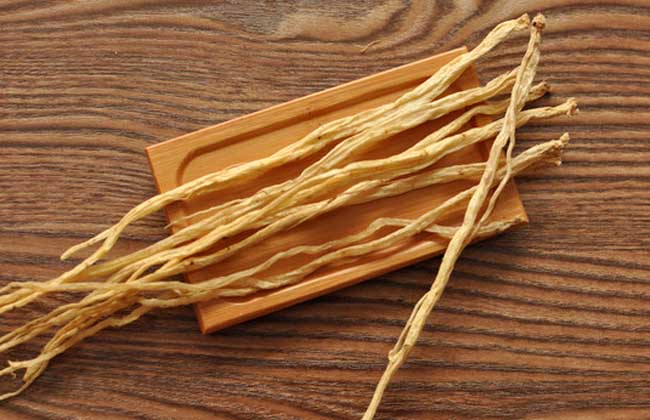
Where is codonopsis produced? A list of the main producing areas
The distribution of codonopsis producing areas
-
-

Codonopsis Seed Prices and Planting Methods Explained in Detail
Codonopsis Seed Prices and Planting Methods
-

How to grow Codonopsis pilosula so it thrives? Key points of Codonopsis pilosula cultivation techniques
How to grow Codonopsis pilosula well
-

-

How to grow Panicled Codonopsis (Codonopsis convolvulacea)? Master these key growing techniques
Growing techniques for Panicled Codonopsis
-

Cultivation Methods and Key Technical Points for Codonopsis tangshen
Codonopsis is a perennial herbaceous plant of the Campanulaceae family. Its main chemical constituents are saponins, alkaloids, polysaccharides and volatile oils. Its root is used medicinally; it can tonify the middle and augment qi, strengthen the spleen and benefit the lungs; it treats weakness of the spleen and lungs, shortness of breath and palpitations, asthmatic cough due to deficiency, and internal heat with wasting and thirsting, among other conditions. Codonopsis is a valuable Chinese medicinal material with relatively high medical value. It is not only used in large quantities as a raw material for prescriptions and patent medicines, but is also widely used in the health beverage and green food industries, and market demand is relatively large. There are many types of Codonopsis, including Lu Codonopsis, Chuan Codonopsis, Codonopsis pilosula var. modesta, Dong Codonopsis, Codonopsis tubulosa and Chai Codonopsis. Commercial Codonopsis
-
Codonopsis (dangshen)
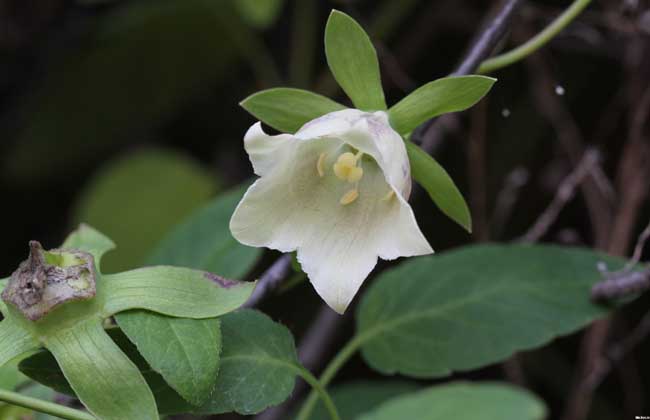
Codonopsis pilosula, Campanulaceae. Morphological characteristics: a herbaceous twining vine with white milky sap. The root is carrot-shaped and cylindrical, about 30 cm long, often branching in the middle. The stem is about 1.5 cm long, much branched, hairless; leaves alternate; leaf blades ovate or narrowly ovate, 1.2-6.5 cm long, 0.6-5 cm wide, margins wavy and bluntly toothed, both surfaces with dense or sparse short appressed hairs; petioles 0.6-2.5 cm long, often sparsely covered with spreading short hairs. Flowers 1-3 borne
条件筛选