-

Detailed Guide to Growing and Caring for Western Azaleas
With vigorous shoots, bright colors, strong sprouting, resistance to pruning, distinctive root stock, and high-quality bonsai material, many people like to propagate it, but you must remember the precautions when growing it. Below we will learn about the cultivation methods and precautions for Western azaleas, and get to know it.
-
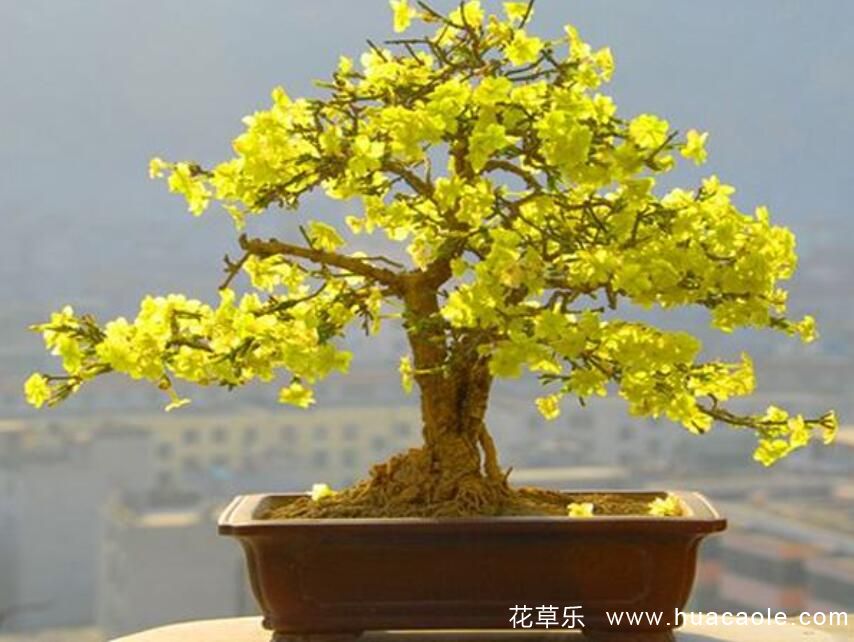
When Does Winter Jasmine Bloom, and a Guide to Caring for Winter Jasmine Bonsai
Winter jasmine (Jasminum nudiflorum), together with plum blossom, narcissus and camellia, is collectively known as the "Four Friends of the Snow" and is one of the common flowers of China. Winter jasmine is not only dignified and beautiful in flower color with an extraordinary air, but also known for defying the cold, being undemanding about soil and climate, and having strong adaptability, and it has always been loved by people. Below, Huacaole shares with you when winter jasmine blooms
-
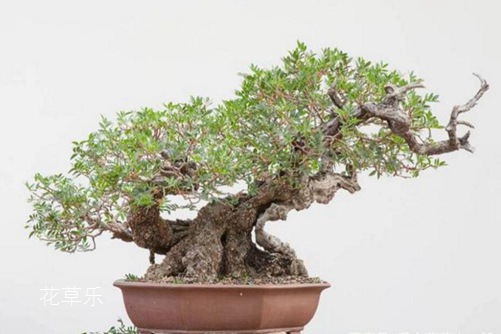
Detailed Guide to Making and Caring for Chinese Pistache Bonsai
Chinese pistache (Pistacia chinensis) is a deciduous tree in the Anacardiaceae family. It likes light and warmth and fears severe cold; it is suited to growing on fertile, moist limestone hills with good drainage. The tree form is elegant, the crown is spherical, and the branches and leaves are lush. In spring the young leaves are red, in summer the leaves are emerald green, in autumn the leaves turn golden yellow, and in winter they all fall off
-
Can Peonies Be Grown in Pots? A Detailed Guide to Potting and Caring for Tree Peonies
Tree peonies are mainly grown in the ground, but to make better use of their ornamental value, they can also be grown in pots. However, this requires attention to cultivation methods and proper management; only then can the plants have upright, graceful branches and leaves and produce brilliant blooms. Generally, grafted seedlings on herbaceous peony roots are chosen for potting, as they adapt better. At the same time, the pot should be deep (at least 30 cm deep).
-
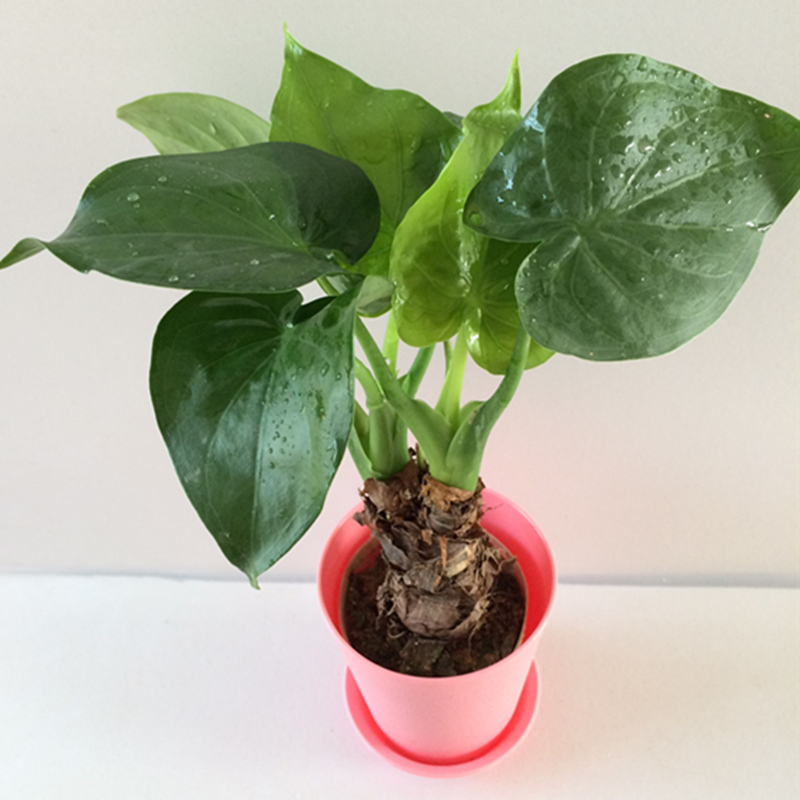
Dumb Cane is poisonous, so extra care is needed when growing and caring for it
Dumb Cane is a trade name, also known as "Dishuilian" and "Foshoulian"; other common names include Langdu (underground stem), Tianhe, Guanyinlian, Xiutiancao, Gehexian, Guanyinyu, Guangdong Langdu Henyutou, Langdu (Guangdong), wild taro, mountain taro, big-root taro, big-worm taro, Tianyu, Tianmeng, and more
-
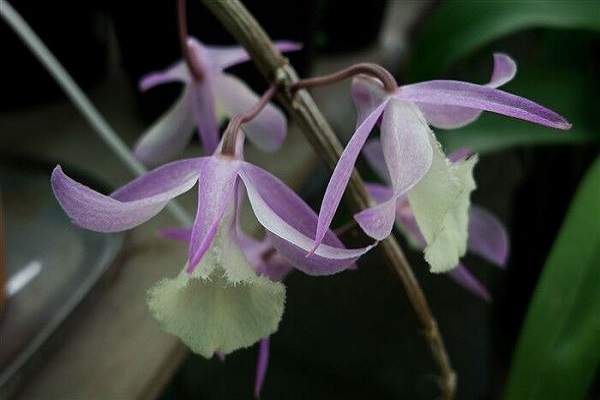
Detailed Guide to Growing and Caring for Dendrobium aphyllum
If you are fairly familiar with medicinal herbs, you may have heard of this plant, because it is a plant with good medicinal value. Also, take a look at its pictures and you will find that its ornamental value is quite good too, right? It is not only widely distributed in our country,
-
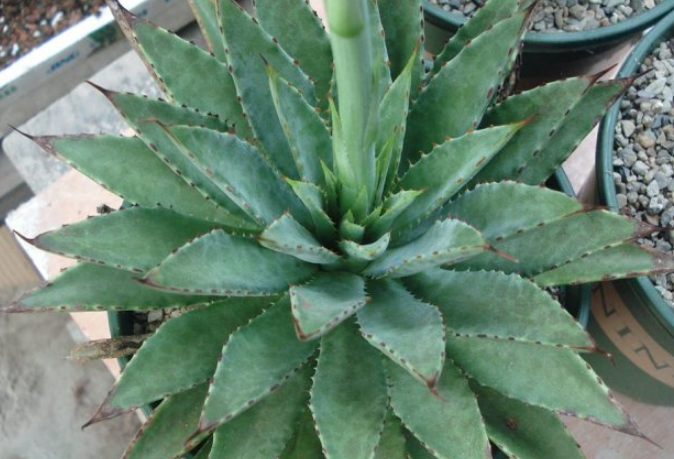
Detailed Guide to Caring for the Sinningia leucotricha Caudiciform Plant
Sinningia leucotricha, of the family Gesneriaceae and the genus Sinningia (formerly the genus Rechsteineria), is native to Brazil. Sinningia leucotricha is also known as the "Moon Banquet."
-
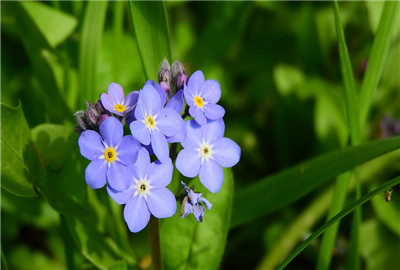
A Detailed Guide to Growing and Caring for Forget-Me-Nots at Home
Forget-me-nots bear small light-blue flowers that are fresh and delightful. They have great ornamental value, and many people ask whether forget-me-nots can be grown at home and how to plant and care for them. In fact, they are extremely adaptable, prefer a dry, cool climate, and are very easy to grow. How do you grow forget-me-nots?
-
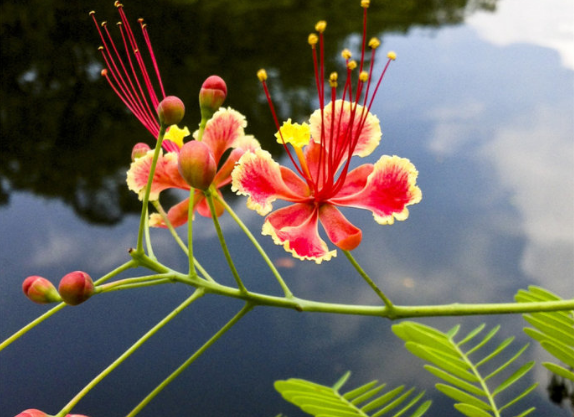
Detailed Guide to Growing and Caring for Peacock Flower (Caesalpinia pulcherrima) Indoors in Pots, Plus Its Benefits and Uses
The peacock flower (Caesalpinia pulcherrima) originates from the West Indies, and is cultivated in Yunnan, Guangxi, Guangdong and Taiwan, China. It is one of the valuable ornamental trees of tropical regions. So how do you grow peacock flower at home? What are the benefits and uses of peacock flower? What are the potting and care techniques for peacock flower? Basic introduction to peacock flower
-
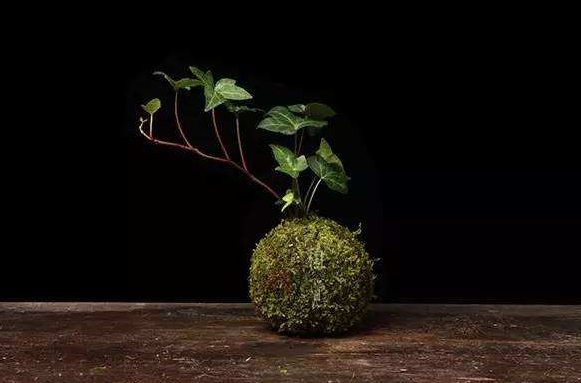
Detailed Guide to Making and Caring for Kokedama Bonsai
Kokedama is both a plant and a planting method. It originated in the Edo period of Japan and is one of the forms of Japanese bonsai, with a very long history. The distinguishing feature of kokedama bonsai is that no hard materials are used when shaping it; instead, the plant's roots alone are wrapped in soil to form a round ball, which is then covered on the outside with moss.
条件筛选