-

Ginger Lily, also known as Butterfly Lily: Characteristics and Growing Methods
Variety origin: Native to southern and southwestern China, India, Malaysia and Australia, and further developed into a cut flower variety through multiple generations of selection. Variety distribution: Cultivated in all counties, cities and districts on the outskirts of Guangzhou, with the highest output in Fangcun District. Variety characteristics: A perennial bulbous flower, with underground stems resembling ginger, and the above-ground part growing in clumps, with a single stem that does not branch. Plant height 1-1.5 m, with 8-10 leaves. The terminal spike-type pinecone-shaped inflorescence has green bracts containing 2-3 white flowers, extremely fragrant, with a flowering period from May to November. Variety characteristics
-
What is Golden Butterfly Shrimp? A detailed guide in one article
Wash the shrimp, peel and split them open, leaving the last segment of the tail shell intact. Prepare flour, breadcrumbs, and beaten eggs for coating. Coat the shrimp in order: egg, then flour, then breadcrumbs. Heat oil in a pan to 60% hot (about 160°C/320°F), deep-fry until cooked, and it's done. It really looks great!
-
Detailed processing method introduction for butterfly pig head
The butterfly pig head has a cured yellow color, a delicious and mellow aroma, a purplish-red tint, and is fatty but not greasy, and is deeply loved by consumers. (1) Material selection: choose healthy, disease-free pig heads with no injuries or disabilities, a full head, moderate size, and intact ears, nose, and mouth. (2) Ingredients: for every 50 kg of fresh pig head meat, use 4 kg of refined salt, 50 g each of Sichuan pepper, ginger, and star anise, 150 g of baijiu, 25 g of saltpeter, and an appropriate amount of spices. (3) Preparation: debone the pig head, pluck clean the fine hairs, remaining hairs, and hair roots on the scalp, and rinse clean with 40°C warm water. (4) Curing: evenly coat the washed and drained pig head with the ingredients
-
Unique and Colorful: A Brief Discussion of Butterfly-Type Floral Art in Chinese Cymbidiums
The "butterflies" among Chinese orchids, in all their myriad forms, have formed one of the most captivating groups in Chinese cymbidiums, collectively known as "Chinese Cymbidium Butterfly-Type Floral Art." Concept: In the flowers of Chinese cymbidiums, if 2 sepals (lateral sepals) or 2 petals (petals) undergo partial or complete mutation into a lip, then the flower colors of this type of orchid become richer and more varied. Usually the lip-transformed perianth segments bear colors such as green, white, red, and pale yellow. These mutated perianth segments curl backward or outward at the tip just like a lip (labellum), and their shape and color resemble butterfly
-
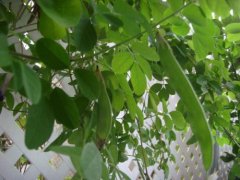
What is the butterfly pea? How to grow it and the benefits and effects of butterfly pea flowers
We generally know green beans and common beans, but have you ever heard of the butterfly pea? Do you know how to grow butterfly pea? Would you like to learn about it? Then take a look at the introduction below. The butterfly pea is native to tropical South America, and because its flower shape closely resembles a butterfly, it is called the butterfly pea.
-

Butterfly Farming Techniques Explained: Environmental Management and Rearing Methods
Butterfly Farming Techniques
-
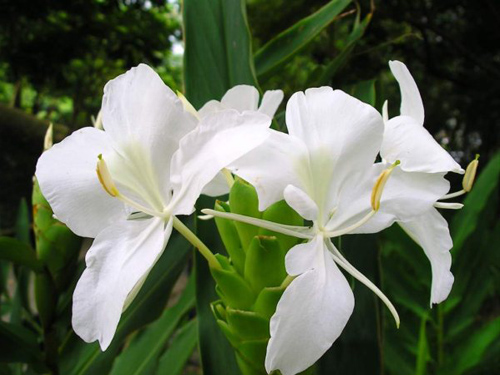
How to grow ginger lily? Introduction to and care for butterfly lily, garland flower, and ginger lily
Ginger lily (butterfly lily, garland flower, ginger lily) scientific name: hedychiumcoronarium. Aliases: wild ginger lily, butterfly ginger, garland flower, butterfly flower, white butterfly flower, fragrant snow flower, yehansu, ginger lily, turmeric. Morphological characteristics: underground stems tuberous, creeping horizontally and aromatic, shaped like ginger
-
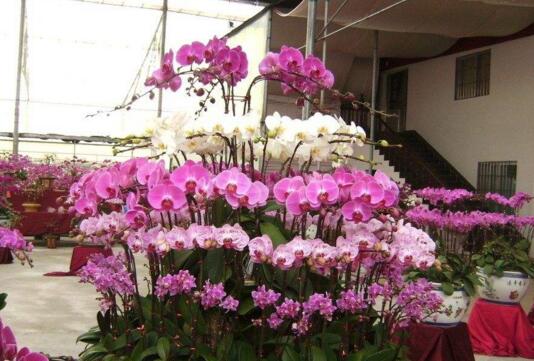
What to Do When a Butterfly Flower Has Root Rot? Three Steps - Pruning, Disinfection and Repotting - to Bring It Back from the Dead
When we grow butterfly flowers, improper watering or pathogen-containing soil can cause the roots of the butterfly flower to rot. This phenomenon is called root rot in botany, and it has a fatal effect on the plant's growth.
-
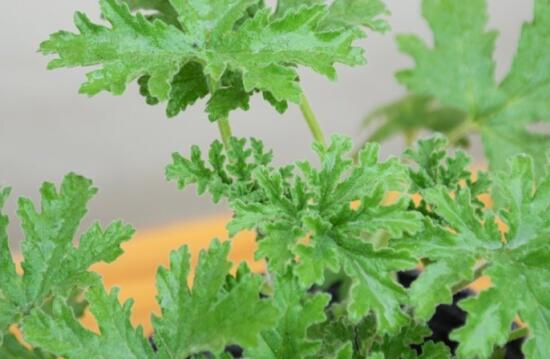
What to Do When Mosquito Repellent Plant Has Bugs? Pest and Disease Control and Swallowtail Butterfly Elimination Methods
Every summer, many people keep a few pots of mosquito repellent plant at home, because with it, there is no need to worry about mosquitoes daring to come near! However, the mosquito repellent plant cannot repel all insects, and if it is not cared for properly, it can also be attacked by pests and diseases. So what should you do when the mosquito repellent plant has bugs
-
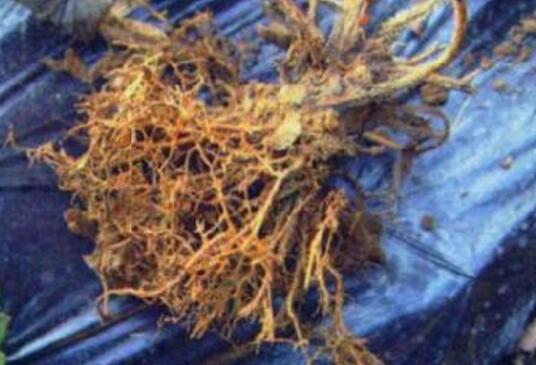
Seven tips for preventing and controlling pests and diseases in butterfly flowers: soil management is key
Although butterfly flowers have beautiful flowers and bright colors, one could say they are very alluring, if they suffer from pests and diseases during growth, not only will they struggle to bloom, but the entire plant may die, which is something no flower lover wants to see. So we need to understand methods for preventing and controlling pests and diseases in butterfly flowers.
条件筛选