-
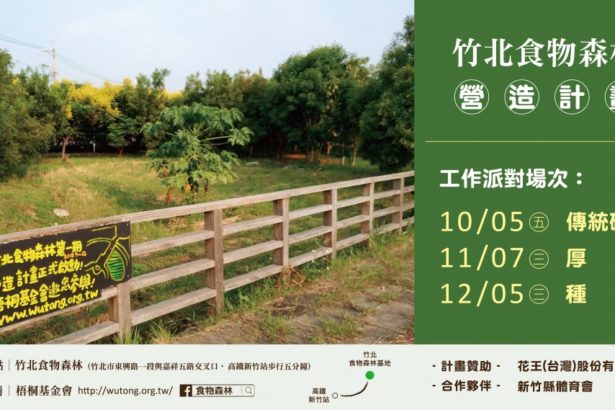
Zhubei Food Forest Community Building Project Work Party Schedule for October-December
[Zhubei Food Forest]Community Building Project x Work Party October-December Sessions
-
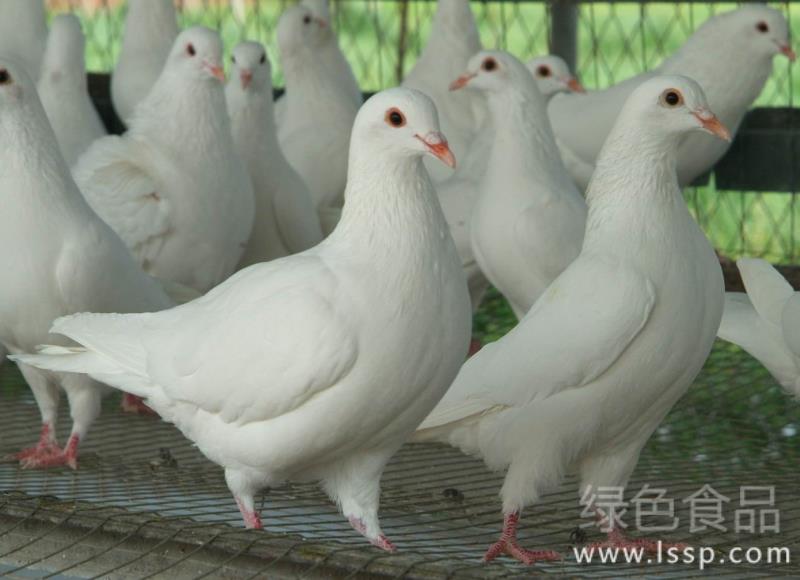
Key measures for raising young pigeons, building a new force of reserve breeding pigeons
Young pigeons: a new force of reserve breeding pigeons, and the key measures for raising young pigeons
-
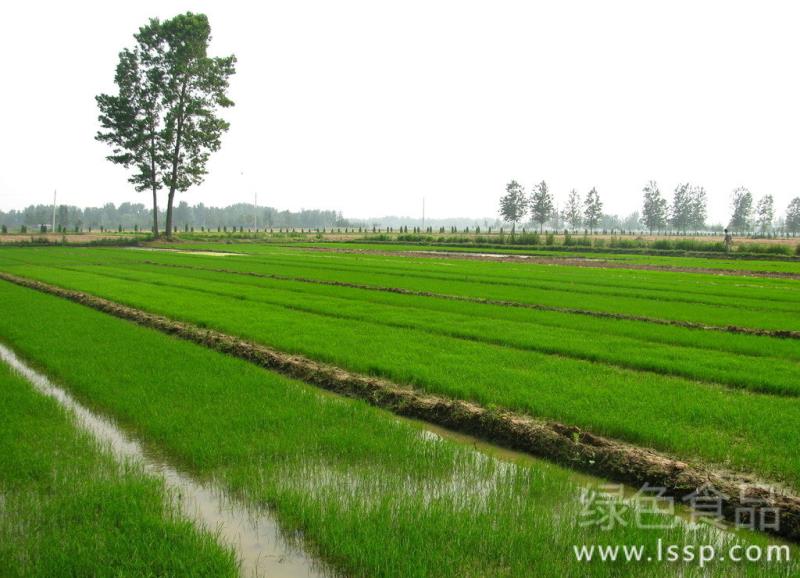
Detailed Explanation of Improvement Methods and Fertility-Building Measures for Saline-Alkali Paddy Fields
Improvement Methods and Fertility-Building Measures for Saline-Alkali Paddy Fields
-

Key Technical Points for Building a Pig-Raising Greenhouse on a Pig Farm
Building a Pig-Raising Greenhouse on a Pig Farm
-
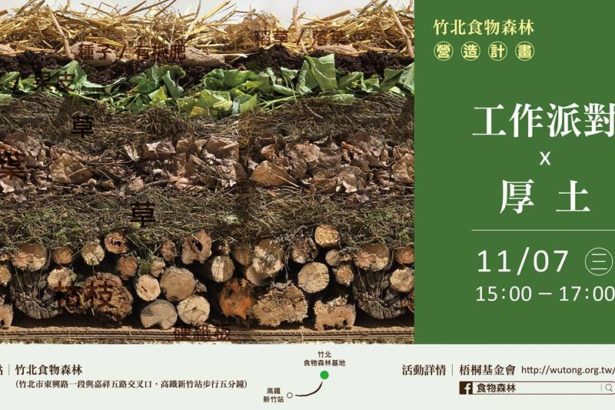
Zhubei Food Forest Community Building Project Holds Hügelkultur-Themed Work Party
[Zhubei Food Forest Community Building Project] Work Party x Hügelkultur
-
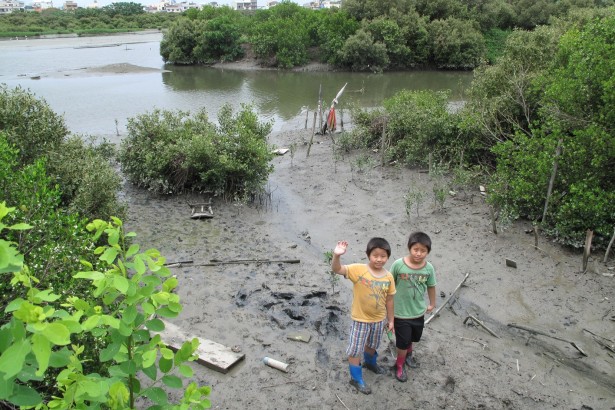
Tainan Community University Taijiang Branch learning chronicle: Building a river-basin school that coexists with rivers and seas
Building a river-basin school that coexists with rivers and seas - Tainan Community University Taijiang Branch learning chronicle
-

What are the main equipment and facilities in a deer barn building?
1. Feeding and watering equipment (1) Water supply equipment: water source, submersible pump, water tank, water pipes, drinking troughs, etc. (2) Drinking troughs: to allow deer to drink warm water in winter, a rectangular trough welded from iron plate or a large iron pot can be fixed on a stove base so it can be heated. The trough or water pot is best placed below the front wall, or at the lower end of the feed trough in the middle of the exercise yard; some also extend a small part into the corridor, so water can be added and heated directly from the corridor, saving time and labor and being safer. The trough is 2 m long (passing through the wall, for two pens), 0.6 m wide, and 0.35 m deep. The stove base must be solid, and the chimney 1.2-1.5 m high. Where conditions permit, it is best to use gravity-fed watering, with a tap water pipe and automatic switch installed above the trough or between the stove base and the edge of the water pot. (3) Feed troughs: generally wider and deeper cement troughs, wooden troughs, etc. are commonly used, with cement troughs being the most durable. Feed troughs are best placed below the iron-bar railing of the front wall, or fixed lengthwise in the middle of the exercise yard; some are placed inside the shed. When wooden feed troughs are used, they must be installed securely. General feed trough specifications: 4-5 m long, 0.6-0.8 m wide at the top, with a rounded bottom, 0.25-0.30 m deep, and the bottom of the trough 0.3-0.4 m above the ground. It can feed 10-15 adult deer or 20-30 young deer. Generally, at least two such feed troughs should be set up in each pen. The surface of the feed trough must be smooth and free of sharp edges.
-
Detailed explanation of the method for building a banded krait (Bungarus fasciatus) snake house
For artificial rearing of banded kraits, a snake garden or snake house can be used; for small-scale rearing, a snake box can be used. The snake garden and snake house for banded kraits should be built in a place that is sheltered from the wind and facing the sun, on high and dry ground, with dense soil, relatively close to a water source yet far from residential areas, and quiet. The snake garden should simulate the wild environmental conditions of the banded krait. The surrounding wall of the snake garden should be 2.5 m high, the inner surface of the wall should be smoothed with cement, the corners of the wall should be built into an arc shape, the wall foundation should extend 1.5 m underground, and at a depth of 1.5 m in the soil layer, lime-sand-clay mixture should be tamped solid to prevent rodents from burrowing and the snakes from escaping.
-
Building cozy foreign-style mushroom houses to achieve year-round mushroom production
Fengdu Town in Gutian County, Fujian Province, has taken breaking through the seasonal cultivation of mushrooms as a difficult problem to overcome in developing the edible fungi industry, increasing investment in science and technology, building European-style "foreign mushroom houses," changing traditional cultivation methods, and achieving off-season constant-temperature cultivation and year-round production. At the site, rows of distinctive European-style "foreign mushroom houses" can be seen; they are a newly built edible fungi production base of Gutian County "Gugu Yizu" Biotechnology Co., Ltd., covering an area of 20 mu, with a total of 24 modern specialized rooms, and each mushroom house is equipped with a large
-
Detailed Explanation of Key Techniques for Building a Goji Berry Garden-Protecting Fence
Goji berry (Lycium barbarum) is a perennial vine-like trailing plant with extremely strong adaptability. It can grow vigorously and flower and fruit normally in fertile soil, poor soil, sandy soil and saline-alkali soil (pH 4-10.5) across regions ranging from high temperatures of 40°C in the south to low temperatures of -43°C in the north. Its fruit is an important traditional Chinese medicinal material. The tender stems, leaves, flowers and fruits (dried for winter use) can be used in congee, soup, tea, wine or eaten dry without any side effects, making it a nourishing tonic suitable for all four seasons. It is of great significance for enhancing human immunity and promoting good health.
条件筛选