-
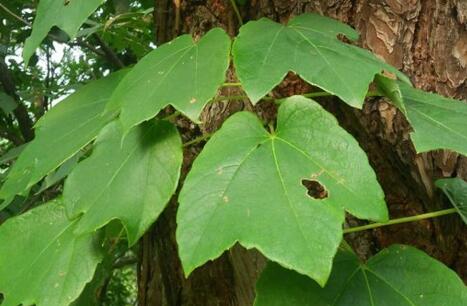
How much is a jin of Boston ivy seeds, and its sowing time and planting method
We are no strangers to the Boston ivy plant. It often climbs on walls and rocks, and its rhizome can be used as medicine to break blood stasis and reduce swelling and toxins. So, how much is a jin of Boston ivy seeds on the market? When should they be sown? How should they be planted to grow well? How much is a jin of Boston ivy seeds on the market? It is understood
-
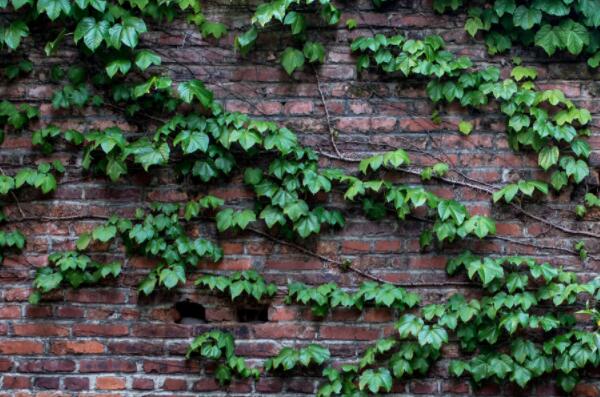
Boston ivy seedling price per plant, why it climbs walls, and its harm to houses
Boston ivy is also known as climbing ivy, Japanese ivy, flying centipede, false grape vine, red silk grass, stone blood, iron trust, iron railing. It blooms in summer, with small yellow-green flowers and purple-black berries. So how much does a Boston ivy seedling cost per plant? Why does it climb walls? Is it harmful to houses? How to plant it
-

How to Plant Boston Ivy? Detailed Planting Methods
How to plant Boston ivy, Boston ivy planting methods
-
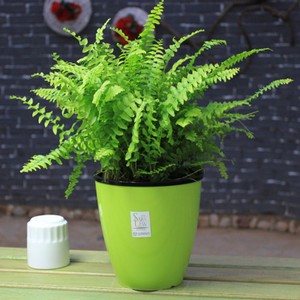
Boston Fern: How to Grow It, Key Points to Note, and Photo Gallery
The Boston fern is a terrestrial fern foliage plant of the family Nephrolepidaceae (sword fern family) and the genus Nephrolepis. It originated in the tropics and subtropics, and is distributed in Taiwan, China. It is a perennial evergreen herbaceous fern. The rhizome is upright, with stolons. The fronds grow in clusters and can reach over 60 cm in length, with slender compound leaves; the fronds droop after unfurling.
-
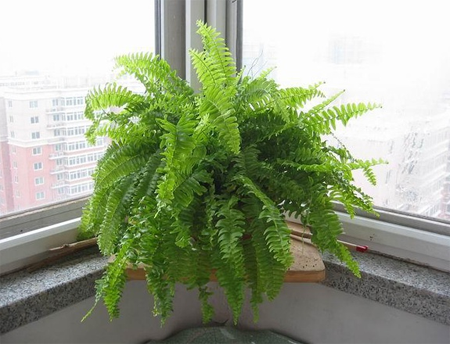
Can Boston Fern Be Grown in Water? Cultivation Methods and Precautions
The Boston fern (Nephrolepis exaltata 'Bostoniensis') is very cold-tolerant, but it prefers humid environments and is relatively easy to grow. What are the cultivation methods and precautions for Boston fern? Can Boston fern be grown in water? Cultivation methods and precautions for Boston fern: Generally place it indoors in a spot with bright, indirect light for growing.
-
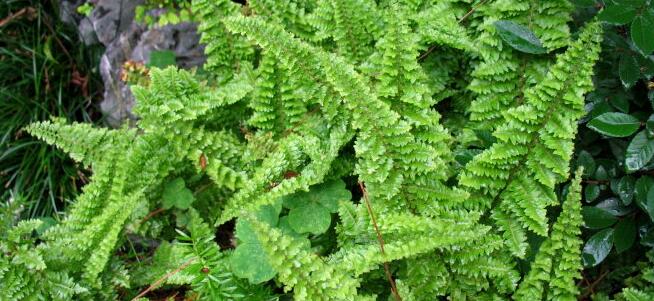
What to Do When Boston Fern Leaves Turn Yellow? Plus Prevention Methods
The Boston fern is a perennial evergreen fern herbaceous plant native to the tropics and subtropics, best suited for pot cultivation as an indoor hanging ornamental. What should you do when Boston fern leaves turn yellow? Read on with the editor to find out.
-
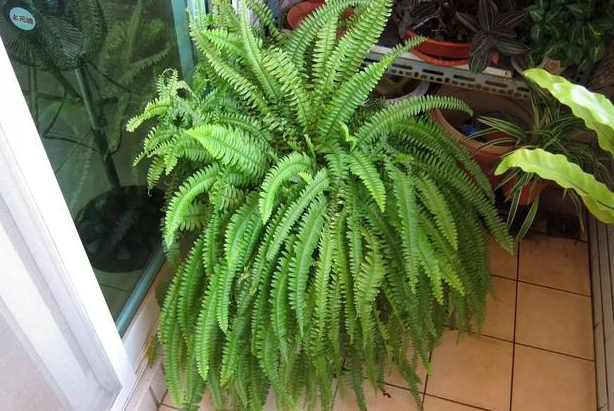
How to make a Boston fern grow vigorously, and can it be grown hydroponically?
Boston fern, this is something many people absolutely love, this Boston fern is quite nice-looking, what are the ways to make this Boston fern grow vigorously? Can Boston fern be grown hydroponically: Ways to make a Boston fern grow vigorously: Light, it can be grown anywhere indoors with bright light, avoid positions exposed to direct sunlight
-

How to care for the Boston fern? These methods you need to master
The Boston fern, also known as comb fern. It is a perennial evergreen herbaceous plant of the Davalliaceae family. The fronds are deeply pinnatifid, lanceolate, bright green, and grow in dense clumps. The sori are borne at the tips of the upper veinlets on each side vein of the pinnae, and the indusium is kidney-shaped. Commonly cultivated plants of the same genus include the long-leaved Boston fern, the fine-leaved Boston fern, and the slender-leaved Boston fern.
-
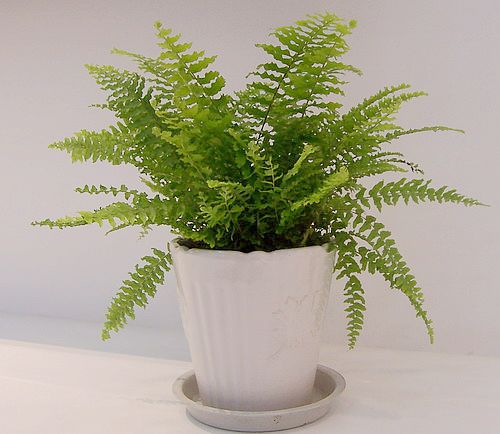
How to grow Boston fern (Nephrolepis exaltata 'Bostoniensis')? Detailed care guide
Boston fern (Nephrolepis exaltata 'Bostoniensis') Scientific name: nephrolepisexaltatabostoniensis Morphological features: small terrestrial or epiphytic fern. Fronds clustered, once-pinnate, slightly drooping; pinnae margins distinctly wavy, tips twisted, pale green
-

A Detailed Guide to Common Pest and Disease Control Methods for Boston Ivy
Diseases of Boston ivy include powdery mildew, leaf spot and anthracnose. Aphids are a common pest. Because Boston ivy has strong resistance, pests and diseases occur relatively rarely, but they do still occur from time to time, especially during the plum rain season, when high temperature and high humidity make powdery mildew, leaf spot and anthracnose more likely. When disease occurs
条件筛选