What to Do When Boston Fern Leaves Turn Yellow? Plus Prevention Methods
The Boston fern is a perennial evergreen fern herbaceous plant native to the tropics and subtropics, best suited for pot cultivation as an indoor hanging ornamental. What should you do when Boston fern leaves turn yellow? Read on with the editor to find out.
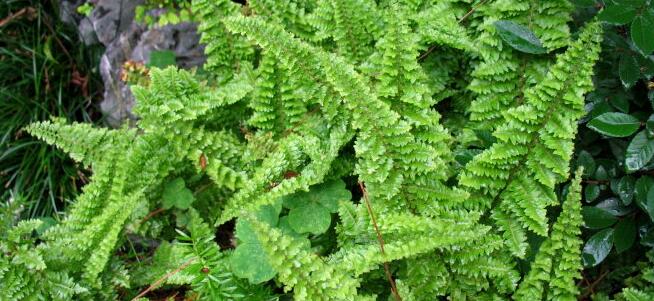
What to Do When Boston Fern Leaves Turn Yellow:
The possible causes of Boston fern leaves turning yellow include: unsuitable soil, excessive light, insufficient watering, improper fertilizing, improper pruning, etc. In fact, the main cause of Boston fern leaves turning yellow is improper care. Only by treating the specific cause and providing careful care can the problem of Boston fern leaves turning yellow be completely solved.
One: Unsuitable Soil
The Boston fern grows quickly and needs repotting every spring. The Boston fern prefers loose, well-draining, fertile calcareous sandy loam. When repotting, pay attention to the choice of soil; if the soil does not match the growing habits of the Boston fern, it can easily lead to poor growth, with leaves starting to turn yellow and drop. The potting mix for container-grown Boston ferns can be made by mixing equal parts of loam, leaf mold and river sand.
Two: Excessive Light
The Boston fern is a shade-loving plant; if exposed to strong direct sunlight, it can easily cause scorching of the leaf edges and yellowing of the fronds. When growing Boston ferns outdoors, pay attention to shading, but they still need adequate sunlight. Indoors, it is best to place the Boston fern on an east- or north-facing windowsill for care.
Three: Insufficient Watering
During the growing period, the Boston fern needs thorough watering to maintain high air humidity and keep its fronds a deep green. If water supply is insufficient or the air is dry, the Boston fern fronds will turn yellow or develop curled, scorched edges. During the peak growing season, the Boston fern should be misted on the stems and leaves 2~3 times a day.#p#Subheading#e#
Four: Improper Fertilizing
Improper watering and fertilizing of the Boston fern can stain the leaf surface, causing the fronds to turn yellow and wither, affecting its ornamental effect. The Boston fern has low fertilizer requirements; generally, applying a dilute cake fertilizer solution once every 2~3 weeks is sufficient. Adding a small amount of calcium fertilizer will give even better results.
Five: Improper Pruning
During care, if dead leaves are found on the Boston fern, they should be pruned away promptly to keep the Boston fern fresh and attractive and to encourage new leaf growth. Otherwise, the branches and leaves will become too messy and crowded, causing weak growth and yellowing leaves. When the leaf clusters of the Boston fern become too dense, the old leaves can be properly pruned each autumn.
How to Prevent Boston Fern Leaves from Turning Yellow:
Try to ensure the Boston fern's care environment is shady and humid; it can be placed in a shaded spot for care, not in bright locations such as balconies or windowsills. Especially in summer, direct sunlight must be absolutely avoided, and the Boston fern should be misted frequently to ensure humidity. The Boston fern's preference for shade does not mean it can be watered without limit; keeping the growing medium moist is sufficient. You should also understand the growing habits of the Boston fern. Once you understand its habits, adjusting your care routine according to them will help prevent the leaves from turning yellow.
What to Do When Boston Fern Leaves Turn Yellow: Causes and Solutions for Boston Fern Leaves Turning Yellow
The Boston fern is a perennial evergreen fern herbaceous plant native to the tropics and subtropics, best suited for pot cultivation as an indoor hanging ornamental. What should you do when Boston fern leaves turn yellow? Read on to learn the causes and solutions for Boston fern leaves turning yellow.
What to Do When Boston Fern Leaves Turn Yellow
The possible causes of Boston fern leaves turning yellow include: unsuitable soil, excessive light, insufficient watering, improper fertilizing, improper pruning, etc. In fact, the main cause of Boston fern leaves turning yellow is improper care. Only by treating the specific cause and providing careful care can the problem of Boston fern leaves turning yellow be completely solved.
One: Unsuitable Soil
The Boston fern grows quickly and needs repotting every spring. The Boston fern prefers loose, well-draining, fertile calcareous sandy loam. When repotting, pay attention to the choice of soil; if the soil does not match the growing habits of the Boston fern, it can easily lead to poor growth, with leaves starting to turn yellow and drop. The potting mix for container-grown Boston ferns can be made by mixing equal parts of loam, leaf mold and river sand.
Two: Excessive Light
The Boston fern is a shade-loving plant; if exposed to strong direct sunlight, it can easily cause scorching of the leaf edges and yellowing of the fronds. When growing Boston ferns outdoors, pay attention to shading, but they still need adequate sunlight. Indoors, it is best to place the Boston fern on an east- or north-facing windowsill for care.
Three: Insufficient Watering
During the growing period, the Boston fern needs thorough watering to maintain high air humidity and keep its fronds a deep green. If water supply is insufficient or the air is dry, the Boston fern fronds will turn yellow or develop curled, scorched edges. During the peak growing season, the Boston fern should be misted on the stems and leaves 2~3 times a day.
Four: Improper Fertilizing
Improper watering and fertilizing of the Boston fern can stain the leaf surface, causing the fronds to turn yellow and wither, affecting its ornamental effect. The Boston fern has low fertilizer requirements; generally, applying a dilute cake fertilizer solution once every 2~3 weeks is sufficient. Adding a small amount of calcium fertilizer will give even better results.
Five: Improper Pruning
During care, if dead leaves are found on the Boston fern, they should be pruned away promptly to keep the Boston fern fresh and attractive and to encourage new leaf growth. Otherwise, the branches and leaves will become too messy and crowded, causing weak growth and yellowing leaves. When the leaf clusters of the Boston fern become too dense, the old leaves can be properly pruned each autumn.
How to Prevent Boston Fern Leaves from Turning Yellow
Try to ensure the Boston fern's care environment is shady and humid; it can be placed in a shaded spot for care, not in bright locations such as balconies or windowsills. Especially in summer, direct sunlight must be absolutely avoided, and the Boston fern should be misted frequently to ensure humidity. The Boston fern's preference for shade does not mean it can be watered without limit; keeping the growing medium moist is sufficient. You should also understand the growing habits of the Boston fern. Once you understand its habits, adjusting your care routine according to them will help prevent the leaves from turning yellow.
Causes and Solutions">What to Do When Boston Fern Leaves Turn Yellow: Causes and Solutions
The Boston fern is a perennial evergreen plant. If its leaves turn yellow during cultivation, it not only affects its ornamental value but also the home decor effect. So what should you do when Boston fern leaves turn yellow? Let's learn about the causes and solutions for Boston fern leaves turning yellow together.
Causes and Solutions">What to Do When Boston Fern Leaves Turn Yellow: Causes and Solutions">
Causes and Solutions for Boston Fern Leaves Turning Yellow
1. Unsuitable soil: The Boston fern grows quickly and needs repotting every spring. The Boston fern prefers loose, well-draining, fertile calcareous sandy loam. When repotting, pay attention to the choice of soil; if the soil does not match the growing habits of the Boston fern, it can easily lead to poor growth, with leaves starting to turn yellow and drop. The potting mix for container-grown Boston ferns can be made by mixing equal parts of loam, leaf mold and river sand.
2. Excessive light: The Boston fern is a shade-loving plant; if exposed to strong direct sunlight, it can easily cause scorching of the leaf edges and yellowing of the fronds. When growing Boston ferns outdoors, pay attention to shading, but they still need adequate sunlight. Indoors, it is best to place the Boston fern on an east- or north-facing windowsill for care.
3. Insufficient watering: During the growing period, the Boston fern needs thorough watering to maintain high air humidity and keep its fronds a deep green. If water supply is insufficient or the air is dry, the Boston fern fronds will turn yellow or develop curled, scorched edges. During the peak growing season, the Boston fern should be misted on the stems and leaves 2~3 times a day.
4. Improper fertilizing: Improper watering and fertilizing of the Boston fern can stain the leaf surface, causing the fronds to turn yellow and wither, affecting its ornamental effect. The Boston fern has low fertilizer requirements; generally, applying a dilute cake fertilizer solution once every 2~3 weeks is sufficient. Adding a small amount of calcium fertilizer will give even better results.
5. Improper pruning: During care, if dead leaves are found on the Boston fern, they should be pruned away promptly to keep the Boston fern fresh and attractive and to encourage new leaf growth. Otherwise, the branches and leaves will become too messy and crowded, causing weak growth and yellowing leaves. When the leaf clusters of the Boston fern become too dense, the old leaves can be properly pruned each autumn.
Causes and Solutions">What to Do When Boston Fern Leaves Turn Yellow: Causes and Solutions">
How to Prevent Boston Fern Leaves from Turning Yellow
Try to ensure the Boston fern's care environment is shady and humid; it can be placed in a shaded spot for care, not in bright locations such as balconies or windowsills. Especially in summer, direct sunlight must be absolutely avoided, and the Boston fern should be misted frequently to ensure humidity. The Boston fern's preference for shade does not mean it can be watered without limit; keeping the growing medium moist is sufficient. You should also understand the growing habits of the Boston fern. Adjusting your care routine according to its habits will help prevent the leaves from turning yellow.(Appendix: How to Grow and Care for Boston Ferns and Points to Note)
Causes and Solutions">What to Do When Boston Fern Leaves Turn Yellow: Causes and Solutions">
The abovecauses and solutions for Boston fern leaves turning yellowhave been introduced. The care process for Boston ferns is still very important; only with good care can yellowing of the leaves be reduced.