Can Boston Fern Be Grown in Water? Cultivation Methods and Precautions
The Boston fern is very cold-tolerant, but it prefers humid environments and is relatively easy to grow. What are the cultivation methods and precautions for Boston fern? Can Boston fern be grown in water?
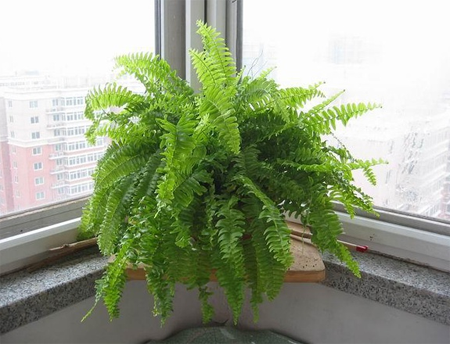
Cultivation methods and precautions for Boston fern:
Generally place it indoors in a spot with bright, indirect light for growing. It must not be exposed to strong direct light, but it also should not be kept in a dark place. The suitable growing temperature is 15-25°C, and in winter it can safely overwinter above 10°C.
Although it is drought-tolerant, it still needs sufficient water, and the soil should not be too wet or too dry; keep the potting soil consistently moist. In summer, water 1-2 times a day and frequently spray the leaves with water. It does not need much fertilizer; during the growing season, apply a dilute, well-rotted cake fertilizer once every 4 weeks. Do not use quick-release chemical fertilizers. When fertilizing, be careful not to get fertilizer on the leaves, as this can damage them.
For potted plants, use a mixed growing medium of leaf mold, river sand, and garden soil. If conditions allow, using sphagnum moss as the growing medium will produce even better growth. Repot once every other year in spring.
Watering and fertilizing care:
For outdoor cultivation of Boston fern, mix about half (by volume) of expanded plastic artificial soil into ordinary growing soil and stir well. For indoor potted plants, you can use entirely lightweight, clean, and hygienic pure expanded plastic artificial soil.
Boston fern is best grown under a shade shed...
In the hot summer, you can also spray water around the potted plants to increase humidity.
In winter, water should be controlled appropriately; keeping it moist is sufficient. During the growing season, nitrogen fertilizer must be applied. For outdoor cultivation, apply dilute organic fertilizer water twice a month, and be sure not to contaminate the leaves.
For indoor cultivation, supplement with a nitrogen-based nutrient solution once every 2 months or so. To ensure an attractive plant shape and promote air circulation, prune away withered and yellowed old leaves along with shaping.
The Boston fern likes bright, indirect light and must never receive direct sunlight. Water with the principle of keeping it moist; in summer, water once every 1-2 days, and in autumn and winter, water again when the soil is half dry.
If the plant wilts due to lack of water, you can soak the entire pot in water to revive it, and spray the leaves more. If it still has not recovered its upright posture after soaking for 24 hours, you may cut off all the leaves to promote new leaf growth. It likes a warm climate. The suitable growing temperature is 18-24°C, and growth is poor below 5°C.
Fern roots are delicate and extremely sensitive, so fertilizer concentration should not be too high, and quick-release chemical fertilizers should not be applied excessively.
Ferns also all like fertile soil that retains water, so the best approach is to add well-rotted manure when potting, and during the growing period apply diluted well-rotted cake fertilizer. However, be careful not to contaminate the leaf surface, to avoid damaging the leaves. After application, rinse any contaminated leaves with clean water.
Boston fern propagation methods:
Boston fern can be propagated by division in early spring from April to May when repotting. First turn the plant upside down and knock it out of the pot, shake off the old soil, then cut the plant into several clumps and plant them separately. Place the divided plants in a shaded area to recover for about a week, then they can be returned to normal care.
Precautions:
Because the roots of Boston fern grow very densely, it is best to water by soaking (about 10 minutes each time) so that the roots can fully absorb water.
Can Boston fern be grown in water?
Yes, it can be grown in water. Boston fern loves humid environments, but even in water cultivation it must have sunlight, otherwise the leaves will turn yellow.
What to Do If Boston Fern Leaves Dry Out: Pay Attention to Watering During the Growing Season
Boston fern is an excellent indoor potted plant, but during cultivation, improper care and other reasons may cause Boston fern leaves to dry out, seriously affecting its ornamental value. So what should you do if Boston fern leaves dry out, and how can you prevent Boston fern leaves from drying out? Let's learn together with the editor.
I. What to do if Boston fern leaves dry out?
The reasons Boston fern leaves dry out may be excessive light, too little watering, or too much watering. If you want to solve the problem of Boston fern leaves drying out, you must treat the root cause accordingly!
Reason one for Boston fern leaves drying out: excessive light
Boston fern likes semi-shaded environments and avoids direct sunlight. Too much and too strong light will cause rapid evaporation of water from Boston fern leaves, leading to dry leaves. Generally, place Boston fern indoors in a spot that does not receive direct sunlight; ample indirect light is most suitable, but during the growing season it should also receive some sunlight for growth.
Reason two for Boston fern leaves drying out: too little watering
Boston fern likes warm and humid environments most, which includes keeping both the soil and the surrounding air relatively humid. The main reason Boston fern leaves dry out is often insufficient humidity. Be careful to water Boston fern to keep the soil moist, and also frequently spray water on the leaf surface to increase air humidity.
Reason three for Boston fern leaves drying out: too much watering
Boston fern is a plant that greatly likes high-humidity environments, but if watered too much, it will cause waterlogging in the pot, resulting in dry and withered Boston fern leaves. First, you must control watering, then check whether the potting soil for Boston fern is breathable and drains well. If not, consider changing the soil for Boston fern or switching to water cultivation. In daily care of Boston fern, follow the principle of watering less and spraying more. In northern areas where the air is dry, consider placing a tray with water under the pot to increase air humidity.
II. How to prevent Boston fern leaves from drying out?
Boston fern likes warm, humid, and semi-shaded environments, likes bright indirect light, and fears direct sun exposure. In summer, appropriate shading can be provided; prolonged strong direct light will cause most Boston fern leaves to turn yellow and wither. Indoors, Boston fern should be placed in a bright spot; even if placed there for 1 year, it can still grow normally. Because Boston fern likes calcium, add an appropriate amount of lime and crushed eggshells to the potting soil, and frequently applying calcium fertilizer will produce better results. In winter, reduce watering and stop fertilizing.
Boston fern likes humid environments. During the peak growing season, water thoroughly. In addition to keeping the potting soil moist, also pay attention to maintaining relatively high air humidity. When the air is dry, sprinkle water around the Boston fern. Especially in summer, water Boston fern 1-2 times a day; if water is lacking, it will cause the leaves to dry out. When watering Boston fern, avoid letting the potting soil alternate between dry and wet, as this easily causes the leaves to turn yellow. Apply dilute liquid fertilizer 2-3 times a month to Boston fern. When fertilizing, do not contaminate the leaf surface of Boston fern, to avoid causing leaf rot.
After reading the information the editor shared about what to do if Boston fern leaves dry out, you now know the solutions for Boston fern leaves drying out, right? Hurry and share it with your friends!
Growing Ferns: You Only Need to Cut a Section of Stem to Propagate
There are many varieties of indoor ornamental ferns, such as the common bird's nest fern (Asplenium nidus), sword fern (Nephrolepis cordifolia), and Boston fern. Let's take a look below at the propagation methods for sword fern and Boston fern. Sword fern can also be propagated by spores, while Boston fern can only be propagated by division and runners. Let's take a look.I. Introduction to division propagation
Method 1: Directly take new root balls growing on the outer edge of the roots for propagation.
Method 2: Use a sharp knife to cut and divide larger root balls for propagation.
II. Soil selection for raising seedlings:
For soil cultivation propagation, it is recommended to use peat soil or ordinary growing soil.
For water cultivation propagation, it is recommended to use special sponge for cuttings or seedling raising.
III. How to propagate using a section of stem
Let Boston sword fern produce runners, and when new plants (seedlings) grow, cut them off (division) and then plant them.
How can small branches grow quickly?
In daily care, keep the medium slightly moist, maintain the relatively high humidity conditions Boston fern needs, and avoid direct sunlight during propagation.
If the air humidity is high, even if the soil is slightly dry there will be no problem. Only with high humidity can side buds grow, and only when the roots have a chance to breathe will they be healthy, so air humidity is also an important key.
As for watering, it is actually very simple: slightly lift the leaves around the edge of the pot and pour water with a narrow-spout watering can, or place it in a shallow water tray for about half an hour to let capillary action draw water upward. Usually place a wide water tray underneath to provide air humidity, but do not let the bottom of the pot sit in water.
IV. Why do the leaves turn yellow?
Leaves appearing dry brown or brittle (so-called browning) is usually caused by air that is too dry combined with excessive salt.
Avoid placing the leaves near heat sources or electrical outlets, because if the temperature around the Boston sword fern plant changes drastically, it can also cause browning.
If the leaves turn yellow or wilt (not browning), it is usually caused by overwatering. Immediately stop and reduce watering, cut off the damaged leaves, and check the plant's root system to see whether it has already rotted. If most of the plant's roots have turned black, the whole plant should be discarded!
Ferns are tropical plants. Use room-temperature water when watering, and in winter avoid water temperature that is too low.
V. Pest and disease control for ferns:
1. Scale insects
Scale insects are one of the pests and diseases Boston sword fern is prone to. They look like small brown discs and are easily found on compound leaves. When found, immediately scrape them off with a fingernail or remove them with a tool of similar texture.
2. Red spider mites
Red spider mites are not common, but they damage Boston fern plants even more than scale insects. If there are spider threads between compound leaves, that is evidence of red spider mite infestation. When found, cut off the affected compound leaves.
If the weather is warm enough, you can rinse off red spider mites with warm water slightly above room temperature. Regular spraying not only helps Boston fern retain moisture, but also prevents infestation by red spider mites, which like dry conditions!
When dealing with pest and disease problems in Boston fern, avoid using insecticides, because ferns are easily harmed by chemicals.