-
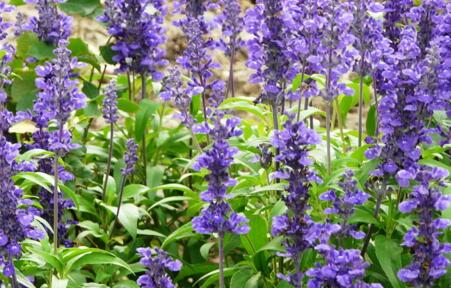
When does Salvia farinacea (blue salvia) of the Lamiaceae family bloom, how long does the flowering period last, what is the market price, and where is it suitable?
Blue salvia (Salvia farinacea) is a perennial herbaceous plant of the Lamiaceae family. As a potted plant, it is suitable for flower beds, flower borders and landscaping features in gardens. So, when does blue salvia generally bloom? How long does the flowering period last? What is the market price? Is it suitable for planting in the north? When does blue salvia generally bloom? How long does the flowering period last?
-

Detailed Explanation of Key Technical Points for Blueberry Field Management
Field Management Techniques for Blueberries
-
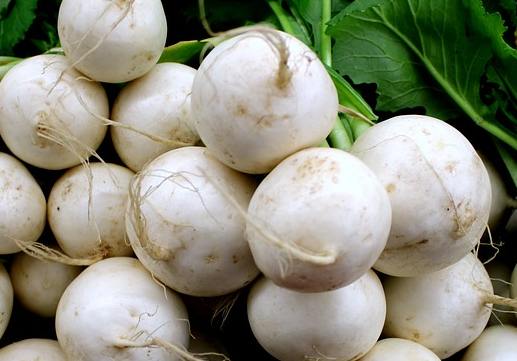
When to plant blue-flowered radish? Planting methods and precautions
The radish root is eaten as a vegetable; the seeds, fresh roots, dried roots and leaves are all used in medicine. The seeds aid digestion and resolve phlegm, the fresh roots quench thirst and help digestion, the dried roots promote both urination and bowel movements, and the leaves treat early-stage dysentery and help prevent dysentery. So what are the planting time and methods for blue-flowered radish? What should be noted?
-
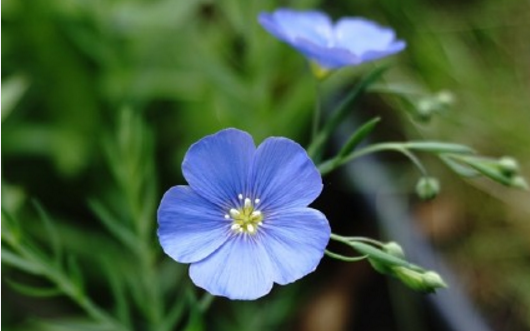
Sowing and Cutting Methods for Blue Flax (Linum perenne) in the Subclass Rosidae, and When It Blooms
Blue flax loves plenty of light and is highly cold-tolerant. Because of its strong adaptability, it can be used as an ornamental edible plant. So how do you sow blue flax seeds? How do you take cuttings? When does it bloom? According to available information, blue flax is a plant that quite likes light, has fairly strong adaptability and decent cold tolerance.
-
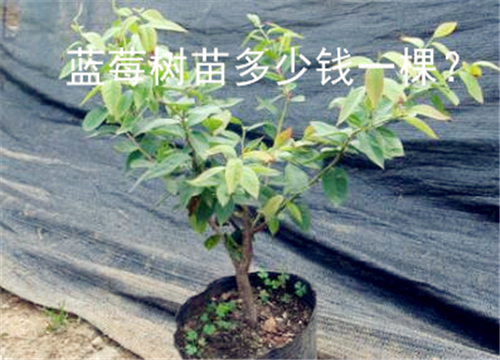
How much is a blueberry sapling now? These 4 varieties are the best to grow
Needless to say much about blueberries, I believe many people have eaten them. Blueberries look small, but they are rich in nutrients, can protect eyesight, and are the fruit with the best anti-cancer effect. Their price rises every year, and a small box can sell for 25 yuan. Many fruit growers, seeing the prospects, have started growing blueberries
-
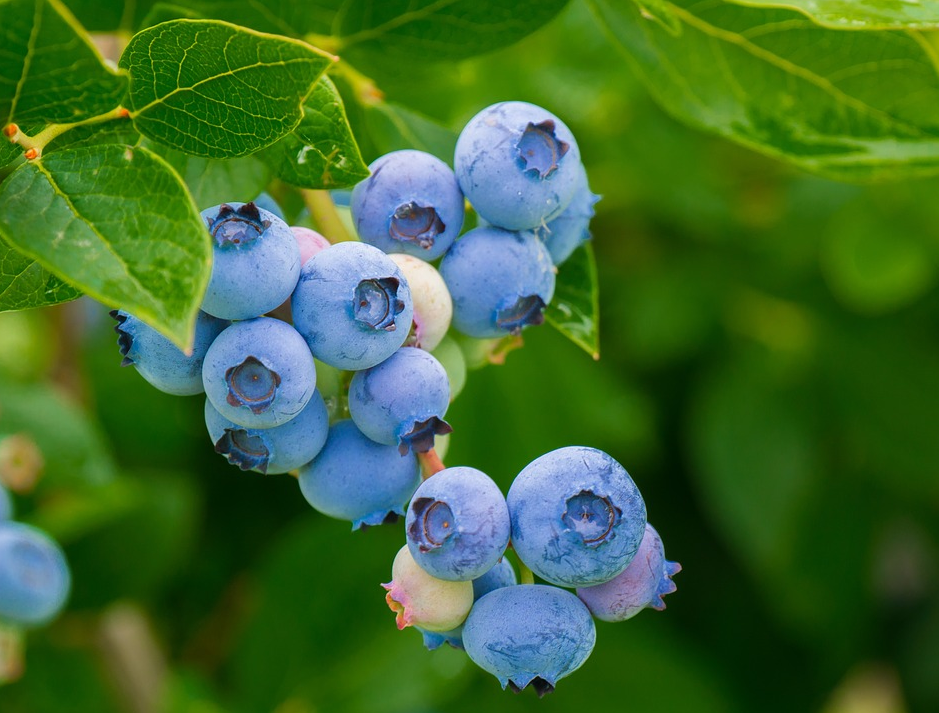
How are blueberries grown, and what are the requirements for growing conditions?
Blueberry is a perennial shrub small-berry fruit tree of the genus Vaccinium in the family Ericaceae. It is called blueberry because its fruit is blue. It originated in North America and is mainly distributed in areas with a cool climate and plenty of sunlight. In China, it is mainly found in Liaoning, Heilongjiang, Jilin and other regions. So how is the "queen of fruits" blueberry grown? What growing conditions are needed?
-
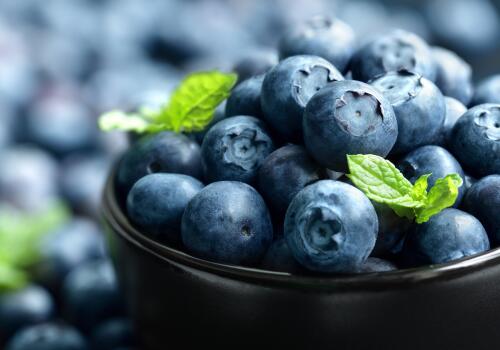
Detailed Explanation of High-Yield Blueberry Cultivation and Management Techniques, Worth Saving
Do you remember a few years ago when the price of blueberries was sky-high, often nearly 100 yuan per jin? But now blueberries at 30 to 40 yuan per jin are quite affordable, all thanks to large-scale domestic cultivation. So today, the editor of Tuliu.com will give a detailed introduction to high-yield blueberry cultivation and management techniques
-
Introduction to the Planting Methods and Precautions for Blueberries, the Queen of Fruits
Blueberries are a fairly common blue fruit in our daily lives. Because of their extremely high nutritional value, their effects such as preventing aging and enhancing eyesight, and their reputation as the "Queen of Fruits," they are deeply loved by everyone. Their planting prospects and cultivation value are both very high, and many growers also want to plant them
-
How much does a blueberry sapling cost, and how good are the growing profits?
Blueberry, also known as bog bilberry and other names, because of its unique taste, delicate flesh, and effects such as preventing aging and improving eyesight, is also called one of the "world's five major healthy fruits," and is deeply loved by everyone. Many growers also want to plant it, so how much does a blueberry sapling cost? How good are the growing profits?
-
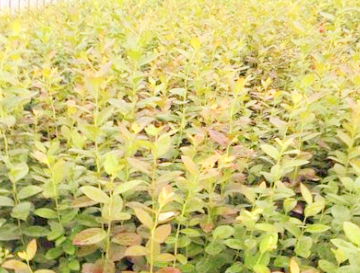
Introduction to high-yield blueberry cultivation methods, teaching you to grow the king of berries well
Blueberry is named for its blue fruit. Because of its good taste and high nutritional value, and its effects of preventing cranial nerve aging and protecting eyesight, it is also known as the “king of berries”. It is deeply loved by everyone, and its cultivation prospects are good. However, many growers do not achieve high yields when growing blueberries.
条件筛选