How are blueberries grown, and what are the requirements for growing conditions?
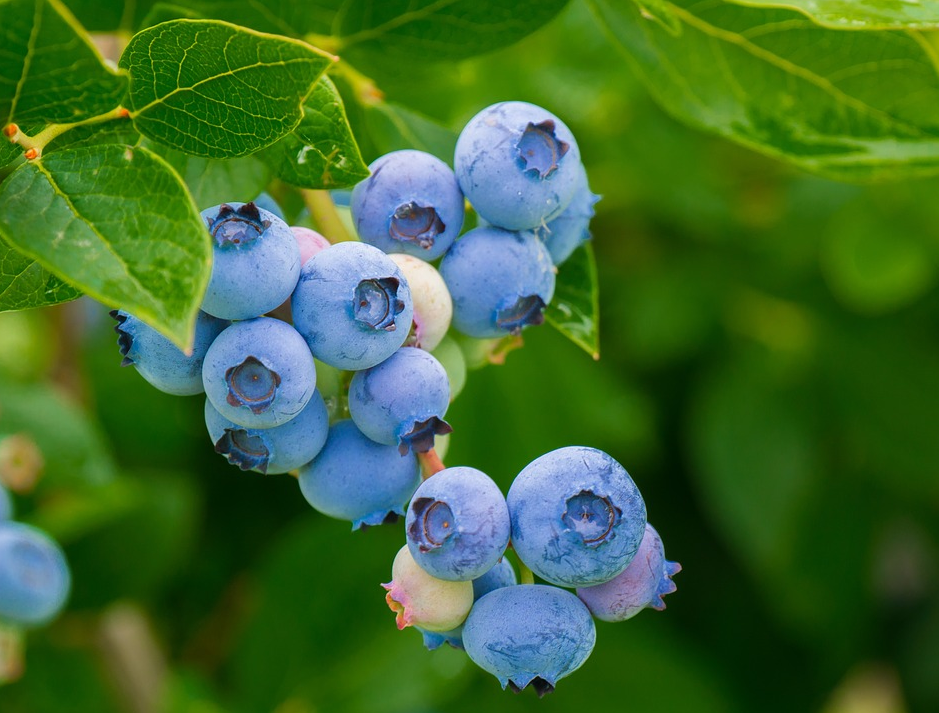
Blueberry is a perennial shrub small-berry fruit tree of the genus Vaccinium in the family Ericaceae. It is called blueberry because its fruit is blue. It originated in North America and is mainly distributed in areas with a cool climate and plenty of sunlight. In China, it is mainly found in Liaoning, Heilongjiang, Jilin and other regions. So how is the “queen of fruits” blueberry grown? What growing conditions are needed?
I. Growing conditions for blueberries
1. Climate
Blueberries are mainly distributed in areas with a cool climate and plenty of sunlight. According to China's climate characteristics and the growth habits of different blueberry cultivar groups, the growing regions can be roughly divided into four production areas: the Changbai Mountains and the Greater and Lesser Khingan Mountains blueberry production area, the Liaodong Peninsula and Jiaodong Peninsula blueberry production area, the Yangtze River Basin blueberry production area, and the South China blueberry production area.
2. Soil
A loose, well-drained, acidic sandy loam is suitable. The most suitable soil pH is 4.3-4.8, the soil organic matter content is 8-12%, and the optimal soil water level is 40-60cm. The soil should be moist but not waterlogged. Blueberry roots are relatively shallow and quite sensitive to lack of water. In most cases, timely irrigation is needed according to soil moisture conditions. Avoid using water sources with high salt content and high pH for irrigation.
3. Terrain
It is advisable to choose relatively flat land or gently sloping land. Although mountainous land with a larger slope is beneficial for improving fruit quality, it brings a lot of inconvenience to field operations. Avoid choosing valley land or low-lying plots for cultivating blueberries, so as to avoid frost damage during the flowering period.
II. Blueberry growing methods
1. Deep plowing
After the blueberry orchard site is selected, deep plowing should be carried out 1 year before planting together with green manure incorporation. A depth of 20-25cm is appropriate. Deep plowing ripens the soil. For soil types that do not meet blueberry requirements, soil improvement should be carried out before planting to facilitate organic blueberry growth.
2. Planting
The best time to plant is from autumn to before early spring bud break. In places with autumn and winter drought, planting at the arrival of the rainy season is advisable. In places with irrigation conditions, planting can be done in all four seasons. The soil mulching method is widely used in blueberry production and has multiple effects such as increasing soil organic matter, improving soil structure, regulating and maintaining soil moisture, lowering soil pH, and controlling weeds.
3. Fertilization
When fertilizing blueberries, it is recommended to use organic fertilizer. In China, agricultural land has already suffered serious pollution due to excessive use of chemical fertilizers, ultimately leading to reduced yields and even total crop failure. Applying nitrogen-phosphorus-potassium compound fertilizer is more effective than applying a single fertilizer. Ammonium-form nitrogen fertilizers such as ammonium sulfate are preferable, while nitrate nitrogen fertilizers should not be applied. Do not choose chlorine-containing fertilizers such as ammonium chloride and potassium chloride.
4. Irrigation
Timely irrigation is very necessary, but attention must be paid to the water source and water quality. Groundwater and river water can be used for irrigation. Generally, deep well water is not used. Deep well water generally has a relatively high pH and high sodium and calcium content. Sulfuric acid can be used to adjust the pH to about 4.5-5.5 before irrigation.
5. Diseases
Blueberry diseases are caused by fungal diseases, bacterial diseases, nematodes, and others. They occur mostly in the native production areas, but China is a newly introduced cultivation area, so the occurrence of pests and diseases is relatively low. Doing a good job of prevention in normal times is sufficient.
6. Harvesting
The fruit ripening period of rabbiteye and southern highbush blueberries is not uniform. Generally, harvesting needs to continue for 20-30 days, usually once every week. When the fruit is for fresh eating, it should be picked by hand; for processing, mechanical harvesting can be used.
The above is the introduction by Tuliu.com of the conditions and growing methods required for blueberry cultivation. Blueberries are mainly distributed in areas with a cool climate and plenty of sunlight, so the climate conditions of the planting site are very important. In addition, fertilizer, water, and field management during the growing process must also be done well to ensure blueberry yield.