Introduction to the Planting Methods and Precautions for Blueberries, the Queen of Fruits
Blueberries are a fairly common blue fruit in our daily lives. Because of their extremely high nutritional value, their effects such as preventing aging and enhancing eyesight, and their reputation as the “Queen of Fruits,” they are deeply loved by everyone. Their planting prospects and cultivation value are both very high, and many growers also want to plant them. So the editor will introduce to you the planting methods and precautions for blueberries:
I. Blueberry Planting Methods
1. Seedling Selection
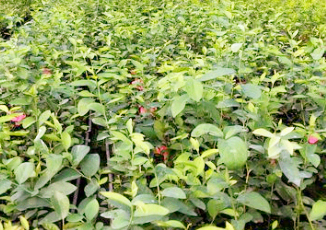
The step of seedling selection is very important. If the seedlings are not selected well, it may prolong the growth cycle and lead to a long profit cycle and extra costs. Therefore, when selecting seedlings, you can directly choose two- to three-year-old blueberry seedlings, so that they can bear fruit faster. In addition, when selecting seedlings, you should also choose seedlings without disease and filter out all poor-growing and non-robust seedlings, keeping only well-growing and disease-free seedlings for field planting.
2. Land Selection and Field Planting
When selecting land, try to choose land with a small slope. In addition, blueberry roots are relatively shallow and very fine, so the soil should preferably not be too compact, and it should also have good permeability to facilitate the development and absorption of the blueberry root system. The soil should be acidic soil. Blueberries can be planted in spring and autumn, but the survival rate of autumn planting is higher than that of spring planting, and spring planting can only be early, not too late. Using mixed planting of multiple varieties can greatly increase the fruiting rate and the quality of blueberries.
3. Clean Cultivation and Weeding
Clean cultivation can begin in early spring. Clean cultivation after the Start of Autumn is unfavorable for their overwintering. The clean cultivation method helps increase yield and can maintain soil moisture well. In addition, weeding is also very important and can double the yield, because if there are too many weeds, they will compete with the land for nutrients. Weeding is mainly done with herbicides, because spraying chemicals costs much less than manual weeding and is also more efficient. In addition, covering blueberries with 5-10 cm of leaves can make the organic matter in the soil richer and maintain soil moisture to suppress the rampant growth of weeds.
4. Fertilization and Irrigation
Blueberry fertilization is mainly based on nitrogen, phosphorus, and potassium fertilizers, with a ratio of nitrogen, phosphorus, and potassium of 1:1:1. Do not apply nitrate nitrogen fertilizers or chlorine-containing fertilizers such as ammonium chloride. The fertilization method for highbush blueberries and rabbiteye blueberries generally uses the trench application method, while the fertilization method for lowbush blueberries is preferably broadcast application. In addition, blueberry roots are distributed relatively shallowly and prefer moisture, so irrigation is very important and water with high pH must not be used. Acidic water should be used, irrigating once every 3-5 days.
II. Precautions During Blueberry Planting
1. Light intensity and duration directly determine the growth capacity and even the yield of blueberries. Therefore, when planting blueberries, attention should be paid to controlling light well to ensure that blueberries have sufficient light for growth so they can carry out photosynthesis to increase the accumulation of nutrients in the blueberry plants. Under sufficient light conditions, blueberry leaves are glossy, deep in color, growth speed is noticeably faster, and the sugar content of the fruit also increases, which is beneficial to the growth of blueberries.
2. Blueberries prefer water. When choosing planting soil, also pay attention to whether the local rainfall is sufficient. Throughout the entire growth period of blueberries, sufficient water must be ensured to meet the water needs of blueberries. If there is a lack of water, blueberry fruits will be shriveled and dry, of poor quality, and their commercial value will decline severely. Soil moisture content should be maintained at about 70%. This level can both ensure sufficient water and prevent excessive water from causing root rot in blueberry plants and triggering pests and diseases.
3. Blueberry fertilization is mainly based on farmyard manure, but their demand for nutrients is relatively large and comprehensive. Therefore, during the planting process, appropriate topdressing should be carried out according to the growth of the blueberries. The first topdressing should be carried out about half a month before germination, and fertilization should be carried out again after fruit set. In order to ensure that the nutrients needed for blueberry growth are met, the main fertilizers are all based on nitrogen, phosphorus, and potassium to promote blueberry growth and improve yield and fruit quality.
Summary: The above is the related introduction to blueberry planting methods and precautions. When planting blueberries, growers can refer to the above blueberry planting methods and precautions for planting, paying attention to several important steps such as fertilization, irrigation, and seedling selection. I hope it will be helpful to friends in need!