Introduction to high-yield blueberry cultivation methods, teaching you to grow the king of berries well
Blueberry is named for its blue fruit. Because of its good taste and high nutritional value, and its effects of preventing cranial nerve aging and protecting eyesight, it is also known as the “king of berries”. It is deeply loved by everyone, and its cultivation prospects are good. However, many growers do not achieve high yields when growing blueberries. So let me introduce the high-yield cultivation methods for blueberries:
I. Select good varieties
There are many blueberry varieties. At present, there are as many as more than 20 blueberry varieties, including both lowbush blueberry and highbush blueberry, as well as those suitable for growing in cool regions and those suitable for growing in warm regions. The types are diverse, but among them rabbiteye blueberry is the easiest to keep alive. In addition, the O'Neal variety is also particularly suitable for planting in southern China. Therefore, choosing suitable varieties is the most basic way to increase blueberry yield. It is also recommended to plant multiple varieties during cultivation, as this will result in better yield and quality.
II. Sow at the right time
Blueberries cannot be planted casually; there is a suitable time for planting. The most common planting time is selected during the period from August to September in autumn. This time is suitable for blueberry growth and development, and the survival rate during planting will be much higher. Of course, they can also be planted in spring, but preferably in early spring, so that blueberries can take root and sprout in this season, and can also keep up with the pace during the season of flowering and fruiting.
III. Fertilizer and water management
After blueberry planting, reasonable fertilizer and water management must be carried out according to the nature of the planting soil. The management of each blueberry variety and the fertilizer and water management at each growth stage differ to some extent. Under normal circumstances, the seedling stage requires two fertilizations. Taller blueberry plants need to be topdressed by digging trenches, while shorter plants only need broadcasting. Each time, farmyard manure or organic fertilizer is mainly used. After the blueberries bear fruit, apply one more topdressing on the basis of the two fertilizations, mainly foliar fertilizer, to promote fruit growth. Thereafter, about once every two to three months each year, foliar fertilizer needs to be sprayed. This can allow blueberry seedlings to grow better and avoid premature aging and yield reduction.
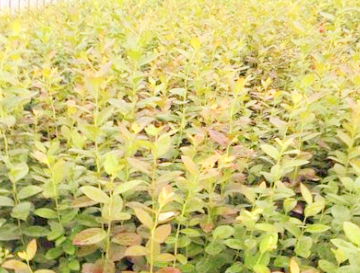
IV. Field management
Field management first requires pollination pairing. Each plant must be planted according to a 4:1 pattern, which can increase the chance of pollination and thus improve the fruit-setting rate. Second, the blueberry seedlings in the field should be thinned by removing relatively weak branches and leaves; new branches will grow again. After a certain number of years, all old branches should be cut off to let new branches emerge, which means renewal. Then every winter, the seedlings need to be protected against cold, otherwise the blueberry seedlings will be frostbitten. During the flowering period, flower control is needed, and after the flowers fall, fruit control is carried out. The methods of flower control and fruit control are both based on the principle of retaining good and large ones. Finally, field cleanup requires removing weeds, debris, fallen leaves, dead branches, and so on, and burning them into ashes to avoid virus infection.
V. Artificial pollination
Artificial pollination is one of the ways to increase yield, but under normal circumstances it is not used, and there is a greater preference for properly pairing pollinizer trees. When the weather is relatively stable, the success rate of pollination is very high, but it cannot be ruled out that some other situations may require the use of artificial pollination methods. External forces can also be borrowed, for example, placing bee colonies in the orchard for bee pollination, or collecting pollen for pollination. Finally, male flowers can also be picked directly, and then the pollen of the male flowers can be applied to the female flowers, and then the male flowers can be used to cover the female flowers for pollination. These are all methods of artificial assisted pollination. When necessary, they can also be used and are of great help in increasing blueberry yield.
Summary: The above is the relevant introduction to high-yield blueberry cultivation methods. If the blueberry yield grown by growers is not high, they can refer to the above five points for planting according to actual needs. I hope it is helpful to friends in need!