-
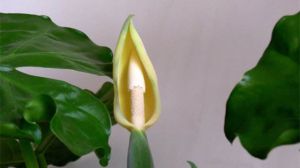
When does Alocasia macrorrhizos (giant taro) usually bloom
Alocasia macrorrhizos blooms in April, but it is difficult for plants grown in northern regions to bloom, while in southern regions it blooms very easily. If it is given a suitable growing environment in normal care, it will bloom; it needs to receive plenty of light, be kept in a growing environment of 20°C, be well protected from the cold when temperatures are too low, and have its soil kept moist with humidity controlled at around 60%.
-
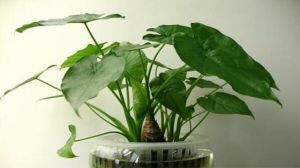
Hydroponic Alocasia macrorrhizos (Giant Taro) cultivation methods and precautions
Hydroponic Alocasia macrorrhizos needs clean water quality with no impurities, and it is best to change the water once a month. In summer, mist water around it appropriately to increase air humidity, and pay attention to the conditions in the container; if the water evaporates, replenish it promptly. In addition, during care it should be placed in bright indirect light, and the temperature should be maintained above 18°C.
-
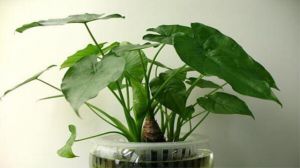
Can Water-Grown Elephant Ear (Alocasia) Be Kept Together with Fish?
Fish cannot be kept in the container of a water-grown Elephant Ear. This is because its roots, stems, and leaves contain toxic sap, and if it gets injured and this sap flows into the water, it will poison the small fish. More importantly, the water it drips is also toxic and can easily fall into the water, poisoning the small fish.
-
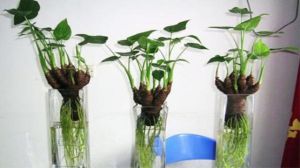
How to grow Alocasia macrorrhizos in water? Teach you the correct cultivation method
To grow Alocasia macrorrhizos in water, you first need to take it out of the pot, cut off all the soil-grown roots and some of the leaves, then wash and disinfect it. After that, place it in the very center of the hydroponic container, fill in with stones, and finally pour some water into the container. Normally, it needs to be kept in a semi-shaded environment with relatively high humidity and temperatures above 18°C.
-
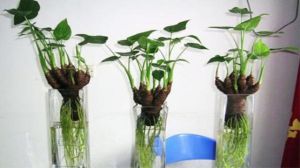
Can Alocasia macrorrhizos be grown hydroponically? Hydroponic methods and care tips
Alocasia macrorrhizos can be grown hydroponically, and compared with soil-grown plants, hydroponically grown plants are even more beautiful. The hydroponic method is to take the soil-grown plant out of its pot, prune and disinfect it, then place it into a hydroponic container, and finally add some stones and pour in water. During care, it needs to be placed in a warm spot without direct sunlight.
-
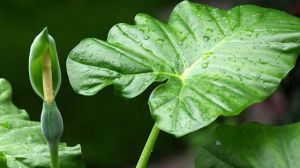
Is it actually good to keep Alocasia (dumb cane) at home?
Keeping Alocasia at home is very good. It carries the meaning of good fortune and peace, and placing it in the wealth corner of the home can play a role in attracting wealth. It also represents a happy marriage and can promote the relationship between husband and wife, so it is very suitable to keep at home. From a feng shui perspective, it is also very suitable to keep at home. It absorbs dust and harmful gases from the air and releases oxygen, which is beneficial to human health.
-
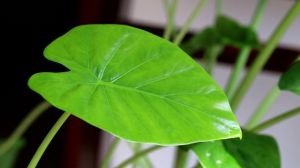
What are the benefits of keeping Alocasia macrorrhizos (giant taro) at home?
Purifying the air: Alocasia macrorrhizos can absorb CO2 from the air and release O2, and it can also absorb some tiny harmful substances floating in the air, thereby purifying the air. Beautifying the home: it is highly ornamental, and keeping it at home can beautify the home. Attracting wealth and warding off misfortune: placing it in the wealth position can exert a wealth-attracting effect.
-
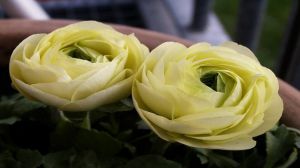
How to grow Ranunculus asiaticus from seed? Detailed sowing method
When growing Ranunculus asiaticus, seed selection is very important; choose plump seeds produced by healthy mother plants. Sowing is best done in autumn, and before sowing, the seeds also need low-temperature stratification to promote germination. Soil is also very important; use loose, fertile, slightly acidic soil. About ten days after seed treatment, you can sow. Scatter them evenly over the soil surface, then just control temperature and humidity.
-
How to water Ranunculus asiaticus? A detailed guide to the correct watering method
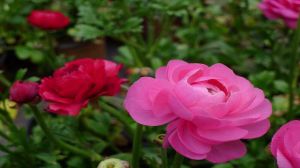
Ranunculus asiaticus (Persian buttercup) is fairly drought-tolerant, but it is afraid of waterlogging. Right after planting, water it thoroughly once using the soak method. During the growth stage, control water in the early period, and ensure an adequate water supply during the vigorous period, watering once every day. However, in summer you should control it appropriately and reduce watering, otherwise the roots rot easily; just spray some water. In winter, reduce watering or do not water at all.
-
How long does the flowering period of Ranunculus asiaticus (Persian buttercup) generally last?
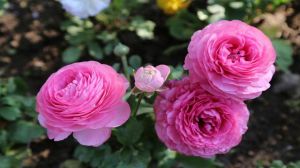
The flowering period of Ranunculus asiaticus lasts about 30-40 days, and if it is cared for well, this time can be extended. Its specific blooming time is April-May every spring; if its plants are planted in September-October of the previous year, it will be able to bloom during this period.
条件筛选