-
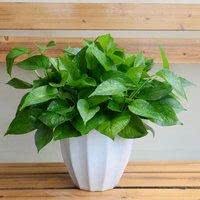
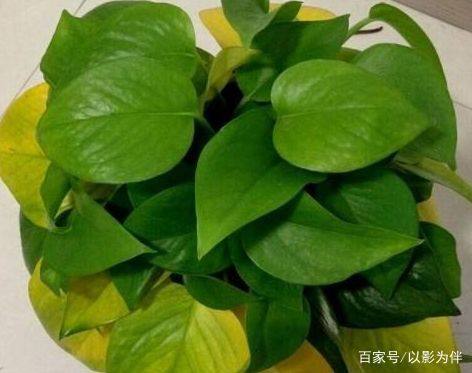
Add this when watering pothos, and its leaves will be emerald green and glossy, able to shoot up several meters in 10 days
Pothos, also known as golden pothos, flower meaning: resilience and kindness, watching over happiness. Placement at home: potted plants can be placed on windowsills, desks, or coffee tables, while trailing pots can be hung in bathrooms or corners. Pothos always quietly adorns the greenery indoors...
-
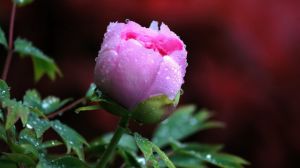
What to do when peony leaves turn yellow? Common causes and solutions
There are many reasons why peony leaves turn yellow: if it is caused by too much or too frequent watering, then reduce the amount of watering; if it is caused by improper fertilizing, then fertilize in the right amount, not too much or too little; if it is caused by unsuitable soil, then replace it with suitable soil in time; if it is caused by pest damage, then catch them in time and spray pesticide.
-
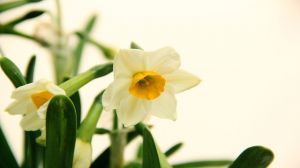
What to Do When Narcissus Leaves Turn Yellow? Causes and Solutions
There are five situations as follows. First, a long-term lack of fertilizer, especially nitrogen, requires immediate supplementation. Second, the temperature is too low, so the room temperature should be adjusted immediately. Third, the water lacks iron, so some soluble iron should be added. Fourth, there is too little light, so six hours of light per day must be ensured. Fifth, there has been no pruning for a long time, so regular pruning is needed.
-
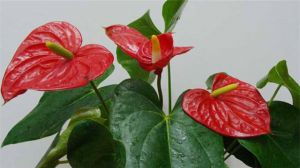
What to Do When Anthurium Leaves Turn Yellow? Causes and Solutions
When anthurium leaves turn yellow, take measures according to the cause: if it is insufficient light, give it plenty of light; if the temperature is unsuitable, give it a suitable temperature; if the soil is unsuitable, water it with ferrous sulfate solution or change the soil on schedule; if watering and fertilizing are unreasonable, water it properly and give it fertilizer correctly.
-
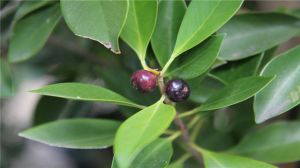
What to Do When Ficus Leaves Turn Yellow? Causes and Solutions
The solution for yellowing Ficus leaves should be chosen according to the cause: if it is unreasonable watering, water it properly, and make sure to water thoroughly; if it is improper fertilization, give it an appropriate amount of fertilizer, such as low-concentration urea; if the yellow leaves are caused by root rot, deal with the rotten roots promptly; if there is disease or pest infestation, solve them promptly.
-
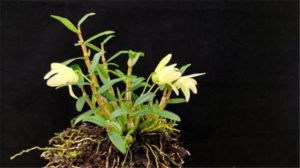
What to do when Dendrobium leaves turn yellow? I'll teach you the correct solution
When Dendrobium leaves turn yellow, measures should be taken according to the cause: if it has been exposed to scorching sun, put it in a cool, well-ventilated place; if the watering is unreasonable, give it an appropriate amount of water, watering once every 7~10 days; if the temperature is unsuitable, give it a suitable temperature, especially paying attention to cooling in summer; if the soil is unsuitable, replace the soil in time and sterilize it before use.
-

Liang Shiqiu quote: A person is most like a human being when they are at leisure
November 3 is the 30th anniversary of the death of modern Chinese writer Liang Shiqiu. Bing Xin said that flowers have color, fragrance and taste, while people have talent, feeling and charm, and among my friends, among men, only Liang Shiqiu is most like a flower. Yu Guangzhong said that his conversation...
-
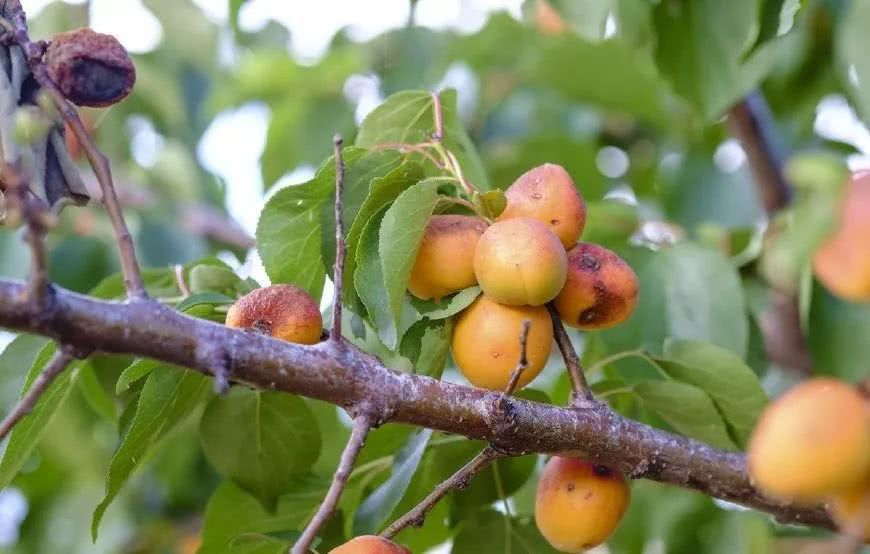
A peculiar wild fruit of the north that no one picks when fresh, yet once air-dried becomes a "fortune fruit" worth 40 yuan per jin
Warm reminder: Hemu Report aims to share and popularize information about various plants and their uses, for reference only. If medicinal use is needed, it is recommended to consult a professional physician to avoid problems! When it comes to wild fruits and fruits, there is one thing they have in common in the eyes of the public, and that is...
-
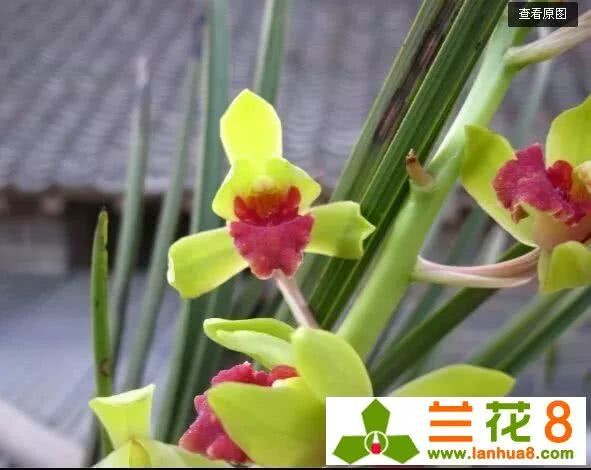
What to Do When Orchids Rot and Wither? Scientific Orchid Care to Stay Away from Orchid Killers
Promote Chinese orchid culture, spread orchid knowledge. Orchid Bar, your good teacher on the road of growing orchids. The so-called soil-borne infectious diseases refer to diseases whose pathogens mostly spread and infect from substrate materials. These diseases share one biggest characteristic: for orchids they are all devastating and catastrophic, in most cases fatal with no chance of survival, preventable but difficult to cure. General non-soil-borne infectious diseases are normally only damaging, such as damaging the leaf surface, causing spots, and harming the plant's integrity and ornamental beauty; such diseases can be both prevented and cured.
-
What to Do When a Potted Plant Is Dying? A Mom Shares One Trick to Fix It
What to do when a potted plant is dying? A mom teaches you one trick to save a dying plant Pothos is dying, what should you do?...
条件筛选