-
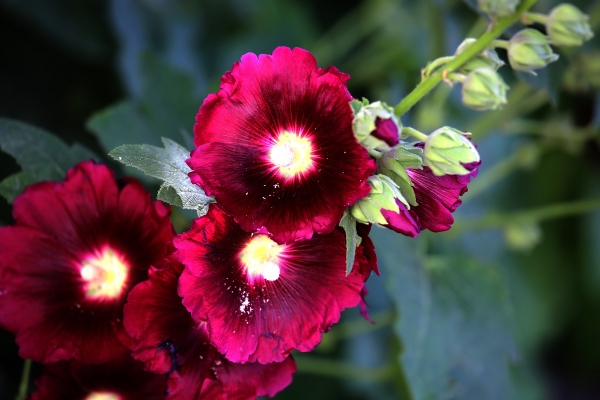
What should be noted when growing hollyhocks
When growing hollyhocks, to prevent the plants from staying short and lodging, we need to cut the roots around the plants in a cone shape with a spade around June, cutting the roots once every 2-3 weeks, then water immediately for care. When the fruit turns yellow and ripe, it should be harvested immediately to prevent the seeds from scattering. After the flowering period ends
-
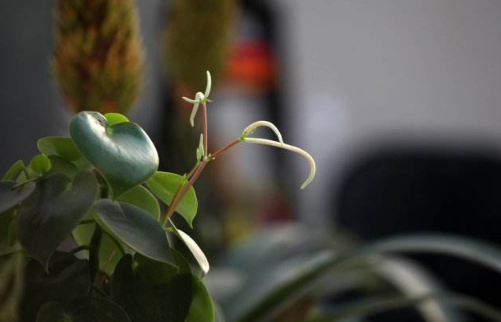
What are the key points to note when growing Peperomia clusiaefolia?
Diseases During the growth of Peperomia clusiaefolia, it is important to watch out for root rot and stem rot caused by overly wet potting soil, and anthracnose caused by air that is too humid. The growing environment needs to be kept well ventilated, and medication should be sprayed on for treatment. This article ends here, and I hope interested friends will show plenty of support.
-
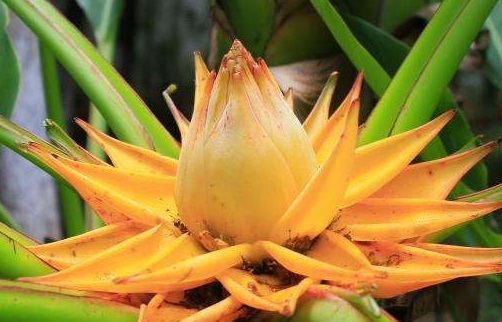
What are the key points to note when growing Musella lasiocarpa?
There are strict requirements for watering Musella lasiocarpa: water moderately, do not overwater or let water accumulate in the pot, and do not leave the plant outside on rainy days, so as to avoid water accumulating in the pot; if water does accumulate in the pot, it can easily cause the plant's roots to rot. Musella lasiocarpa has very poor cold tolerance.
-

What are the key points to note when growing yam? Keep these in mind
Key points to note when growing yam
-
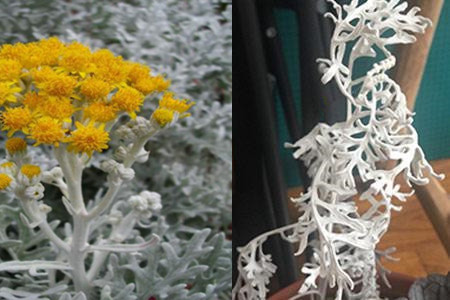
What to Do When Dusty Miller Wilts? Learn the Correct Way to Grow It
Dusty Miller (Senecio cineraria) is a perennial herbaceous plant whose leaves are covered with a layer of fuzzy down. It is called Dusty Miller because its leaves are grayish-white, looking like a white cloud from a distance. Its flowers are fairly small and yellow, and quite beautiful from afar.
-
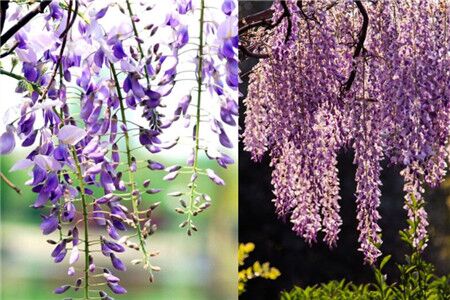
When to plant wisteria? A detailed guide to the correct planting method
Wisteria belongs to the Fabaceae family and is a deciduous climbing, twining large woody vine. Its flowers are purple or deep purple and very beautiful. Wisteria gets its name from its color and shape, has ornamental value, and is deeply loved by many people; gardening enthusiasts can plant it in their courtyards.
-
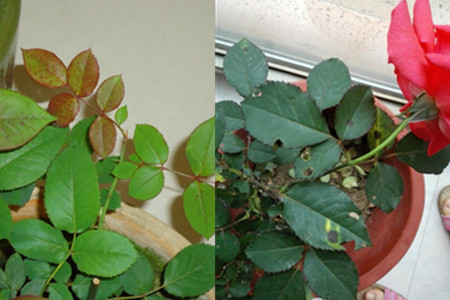
What to Do When Rose Leaves Develop Black Spots? Three Methods to Teach You Prevention and Control
Rose black spot disease is a common disease, with the affected parts being mainly the leaves, followed by the petioles, leaf tips, young tender branches and pedicels. This disease causes the leaves to turn yellow and fall early; when the disease is severe in April and May in summer and in late summer in August and September, the leaves can all fall off completely.
-
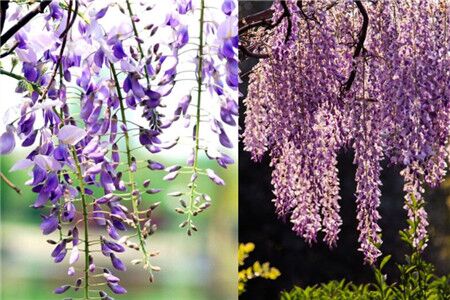
When does wisteria bloom? Beginners need to master these cultivation tips
Wisteria belongs to the Fabaceae family and is a deciduous climbing, twining large woody vine. The flowers are purple or deep purple and very beautiful. Wisteria is named for its color and shape, has ornamental value, and is deeply loved by most people. Flower enthusiasts can plant it in their courtyards
-

When Does Clivia Bloom? A Detailed Guide to Scientific Cultivation Methods
Clivia is a highly ornamental plant, and growing it involves quite a few particular requirements. If you want to grow it well, there is a lot of homework to do. If your cultivation methods are not appropriate, it will be very difficult to grow it well. Take a quick look at how to cultivate it.
-
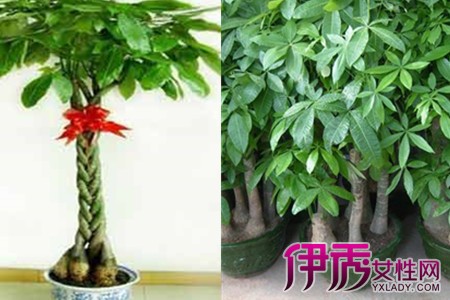
What to Do When a Money Tree Trunk Turns Soft? Find the Cause and Care for It More Easily
The money tree (Pachira aquatica) is a relatively easy plant to grow, but even so, people can encounter soft trunks when caring for it. Many gardening enthusiasts feel frustrated when this happens. This article explains the causes of these symptoms, and you can read about the solutions.
条件筛选