Four points to note when using Bt insecticides
Bt is a bacterial insecticide, belonging to a variety of the Bacillus thuringiensis group, and is very effective against lepidopteran larvae. When using it, pay attention to the following issues: 1. First, pay attention to the quality of Bt. Generally, it is required to contain more than 10 billion spores per milliliter (or per gram), and the application concentration is 500-700 times. If the product...
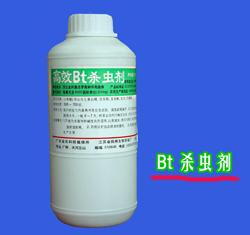
Bt is a bacterial insecticide, belonging to a variety of the Bacillus thuringiensis group, and is very effective against lepidopteran larvae. When using it, pay attention to the following issues:
1. First, pay attention to the quality of Bt. Generally, it is required to contain more than 10 billion spores per milliliter (or per gram), and the application concentration is 500-700 times. If the product's bacterial content is low, increase the concentration. When testing, open the bottle cap; if you notice an unusual odor, it indicates that it may have expired.
2. When applying Bt, never mix it with fungicides such as carbendazim, thiophanate-methyl, etc. The sprayer that has been used for fungicides must also be rinsed clean, otherwise the fungicide will kill some of the Bt bacteria, thereby affecting the insecticidal effect.
3. When applying, pay attention to the weather. It is best to apply the pesticide on cloudy days or under weak light. If the sunlight is strong, ultraviolet rays will kill the Bt bacteria. When applying on sunny days, generally do it before 10 a.m. or in the afternoon, and it is best to spray on a foggy morning. The temperature is generally suitable at 10-35°C. If it is too low, it will affect the insects' appetite, resulting in poor control effects.
4. When the field pest population density is high, in order to eliminate the pests as quickly as possible, a small amount of pyrethroid pesticides such as fenvalerate, cypermethrin, kung fu, etc. can be added. Generally, adding 1-2 milliliters to the sprayer is sufficient.