When is the best time to apply wheat herbicide?
Weeds in wheat fields show their first and largest emergence peak 15-20 days after wheat is sown, and some weeds may show another small emergence peak in March of the following year. Through extensive experimental observation, there are 3 key periods for weed control in wheat fields. 1. Before wheat emergence after sowing is an important period for controlling weeds in wheat fields...
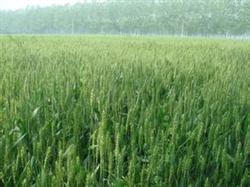
Weeds in wheat fields show their first and largest emergence peak 15-20 days after wheat is sown, and some weeds may show another small emergence peak in March of the following year. Through extensive experimental observation, there are 3 key periods for weed control in wheat fields. 1. Before wheat emergence after sowing is an important period for controlling weeds in wheat fields. 2. The wheat seedling stage (mid to late November) is the best period for controlling weeds in wheat fields. 3. The wheat green-up stage (late February to mid-March) is a supplementary period for controlling weeds in wheat fields.
Based on the emergence and growth patterns of weeds in wheat fields, and also on the weed species and climatic conditions in our city's wheat fields, the wheat seedling stage (mid to late November) is the best period for controlling weeds in wheat fields. First, temperatures are relatively high at this time, the herbicide is absorbed and translocated quickly, and the efficacy can be fully exerted, which can improve the weed control effect; second, the weeds have basically emerged but have not yet consumed the water and nutrients in the soil, and have not yet affected the wheat; third, the weeds are small, their tissues are young and tender, their tolerance is poor, and they die quickly; fourth, the wheat plants are small and the population is small, so the amount of herbicide adhering to the weeds is large, the weed mortality rate is high, and weed control is thorough; fifth, the wheat has strong tolerance at this time and is generally not prone to herbicide damage, so it is safe for the wheat.
In summary, mid to late November is the best period for chemical control of weeds in our city's wheat fields. During this period, suitable herbicide varieties should be selected according to weed conditions and temperature, and the herbicide should be applied promptly for control. Commonly used herbicide varieties include: Juxing, Piaoma, 2,4-D butyl ester, MCPA sodium salt, Starane, etc.
For wheat fields where weeds were not controlled in time in mid to late November and where weeds have become severe, supplementary control can be carried out during the wheat green-up stage (late February to mid-March), but the application period must not be too late, so as to avoid causing herbicide damage to the wheat. Whether applied before or after the New Year, the dosage must be strictly controlled to prevent herbicide damage.