-
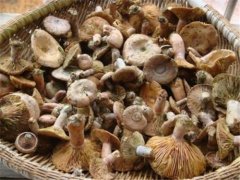
What to Do When Mushrooms Won't Sell? Mushroom Sales Channels and Ways to Find Buyers
Mushroom cultivation is already very widespread now, so when production is good but the mushrooms won't sell, what methods can we use to handle the mushrooms well? First of all, you need a market outlet; if there is no outlet for mushroom cultivation, do not blindly expand production. It is best
-
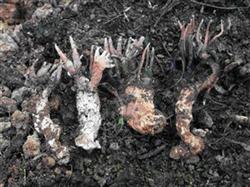
What diseases need to be prevented and controlled when cultivating shaggy ink cap mushrooms?
What diseases need to be prevented and controlled when cultivating shaggy ink cap mushrooms? We ask knowledgeable readers to help explain. The shaggy ink cap mushroom is a straw-decaying, soil-inhabiting fungus with extremely strong adaptability, but during cultivation it is necessary to prevent and control the harm of Ustilaginoidea virens, soft rot, and brown blotch disease. Zhongdiwang has compiled their harm and control methods for the above diseases, listed in detail below...
-
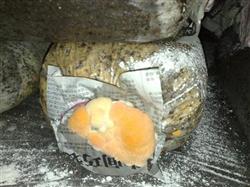
What to Do When Mushroom Cultivation Is Contaminated by Weed Molds? A Detailed Guide to Prevention and Control Methods
What to do when mushroom cultivation is contaminated by weed molds? What methods can be used for prevention and control? I hope experienced netizens can help explain. Generally, mushroom cultivation is often contaminated by weed molds, which leads to reduced mushroom yields and, in severe cases, total crop failure. The weed molds are generally Trichoderma viride, Aspergillus, and the like, and are among the most common weed molds in spawn production and cooked-substrate production.
-

Oyster Mushroom Cultivation Techniques: What Should You Pay Attention to When Cultivating Oyster Mushrooms?
First time growing oyster mushrooms, what should you pay attention to when cultivating them? Do any experienced friends have some advice for me? Zhongdiwang has summarized the points that require special attention when growing oyster mushrooms, and the following is a detailed list for everyone's reference. Point one, cultivation environment: the mushroom house and mushroom yard are cluttered with debris, disinfection is not thorough, contaminated material is discarded carelessly, leading to failure in growing mushrooms.
-
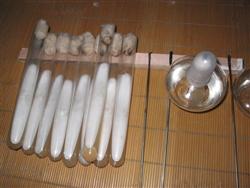
How do you select spawn when cultivating wood ear mushrooms?
How do you choose wood ear mushroom spawn? Here are the methods. When selecting wood ear mushroom spawn, you can identify whether the spawn is good or bad by the following methods: 1. Check the appearance: check whether the bottle label matches the wood ear mushroom spawn to avoid buying the wrong one. The culture time should be within two months; counting from the inoculation date, the spawn age should preferably be 30-40 days, and at the same time check whether the bottle stopper wall is cracked or the cotton plug has fallen out.
-
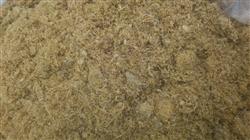
What are the points to note when preparing the substrate mix for tea tree mushrooms?
What should be noted in the substrate mix for tea tree mushrooms? I hope a fellow grower can give some guidance. Factors that easily lead to substandard substrate mix in the tea tree mushroom formula: the bioconversion rate of the tea tree mushroom (Agrocybe aegerita) can reach 133%, meaning that 100 kg of substrate (dry material) can produce 133 kg of fresh mushrooms. Although there are many factors behind substandard yields, one very important reason is improper culture...
-
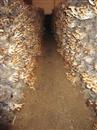
What points should be noted when growing Agrocybe aegerita (tea tree mushroom)?
What should be noted when cultivating Agrocybe aegerita (tea tree mushroom)? Please give guidance. When growing Agrocybe aegerita, the following points should be noted: 1. Cultivation season for Agrocybe aegerita: according to the biological characteristics of Agrocybe aegerita mycelium growth temperature of 10-35°C, optimum temperature 22-27°C; fruiting body formation and growth temperature 16-32°C, optimum 20-28°C, scientifically arrange...
-
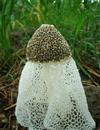
What is slime mold disease in bamboo fungus? Diseases to know when cultivating bamboo fungus
What is slime mold disease in bamboo fungus? Please provide an introduction and guidance on preventing and controlling slime mold disease in bamboo fungus: Slime mold disease in bamboo fungus mainly occurs on the exposed soil of the bamboo fungus bed surface or on the rice straw covering the bed surface, and spreads rapidly. In the bamboo fungus bed positions harmed by slime mold, the substrate becomes damp and rots, mycelial growth is inhibited or gradually dies out, and the substrate...
-
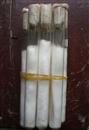
How are mushroom spawn cultivated when growing wine cap mushrooms?
How are wine cap mushroom spawn cultivated? Please provide an introduction to the method. Wine cap mushroom spawn can be cultivated by referring to the following method: after inoculation, place the spawn bottles or bags in a culture room at 20 to 28°C for cultivation. After the wine cap mushroom mycelium has grown for a few days, the mycelial growth rate will gradually slow down, and the method to accelerate mycelial growth is...
-
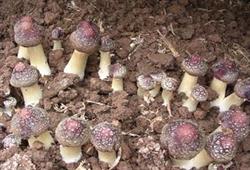
Wine Cap Stropharia Cultivation Tips: How to Case the Substrate Better When Planting?
How should you case Wine Cap Stropharia during cultivation? Here is a method to follow. You can case Wine Cap Stropharia using the following method: spread pre-prepared loam soil over the mushroom bed to a thickness of 2 to 4 cm, no more than 5 cm at most, with about 0.05 cubic meters of soil needed per square meter of mushroom bed. After casing, the moisture of the casing layer must be adjusted, requiring the soil to have a water-holding capacity of 36% to 37%. A simple way to test soil water-holding capacity is to squeeze a soil granule by hand; if the granule flattens but does not crumble and does not stick to your hand, it means the moisture content is suitable.
条件筛选