What is slime mold disease in bamboo fungus? Diseases to know when cultivating bamboo fungus
What is slime mold disease in bamboo fungus? Please provide an introduction and guidance on preventing and controlling slime mold disease in bamboo fungus: Slime mold disease in bamboo fungus mainly occurs on the exposed soil of the bamboo fungus bed surface or on the rice straw covering the bed surface, and spreads rapidly. In the bamboo fungus bed positions harmed by slime mold, the substrate becomes damp and rots, mycelial growth is inhibited or gradually dies out, and the substrate...
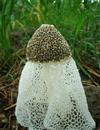
What is slime mold disease in bamboo fungus? Please provide an introduction and guidance on prevention and control
Slime mold disease in bamboo fungus:
Slime mold disease in bamboo fungus mainly occurs on the exposed soil of the bamboo fungus bed surface or on the rice straw covering the bed surface, and spreads rapidly. In the bamboo fungus bed positions harmed by slime mold, the substrate becomes damp and rots, mycelial growth is inhibited or gradually dies out, the substrate contains large amounts of bacteria and nematodes, and bamboo fungus no longer grows; bamboo fungus primordia affected by the disease become water-soaked and moldy-rotten.
Causes of slime mold disease in bamboo fungus:
1. High temperature and high humidity environmental conditions. Slime molds are suited to growing in places rich in organic matter and damp in environment. Especially under high temperature and high humidity conditions, it is most favorable for the germination and growth of slime mold spores, and their vegetative colonies spread very quickly, expanding up to 20cm in a single day, and within a few days they can cover a large area of the bed.
2. Substrate infected by bacteria. Slime molds are omnivorous organisms; bacteria, organic matter, fragments of edible fungus mycelium and spores are all nutrient sources for slime molds, and bacteria in particular are excellent food for slime molds. If the bamboo fungus substrate or bamboo fungus primordia are infected by bacteria, slime mold disease is extremely likely to occur.
3. Soil or water sources and air carrying slime molds.
Prevention and control methods for slime mold disease in bamboo fungus:
The prevention and control of slime molds, like the prevention and control of crop diseases, should follow the principle of "prevention first, integrated control".
1. Use high-quality spawn that is pollution-free and strong in viability. Before use, the spawn should be carefully inspected; spawn with contaminated cotton plugs, abnormal odor, or that is too dry, too wet, or too old should not be used.
2. Pay attention to field plot selection and early plowing, sun-drying and sterilization. Choose a field plot facing the sun, well ventilated, with fertile soil and easy drainage as the bamboo fungus cultivation site, and 20-30 days in advance remove the rice straw roots from the field plot, plow it into beds and expose them to the sun.
Drainage ditches should be cleared around the bed field, and the ditches should be cleared wide and dug deep so that rainwater does not accumulate. In the 7-10 days before cultivation, spray dichlorvos and carbendazim at 1:500 dilution and spread 25kg of lime per 666 sq m to kill insects and sterilize; on the day before preparing the beds and sowing the substrate, carry out insect killing and sterilization once more with the above-mentioned agents.
3. Substrate treatment. The raw materials for cultivating bamboo fungus, such as sawdust, bamboo shavings, mushroom grass, and spent mushroom substrate, must be fully sun-dried. When laying the substrate for cultivation, put these raw materials into a water tank to soak for 24-36 hours and pile-ferment for 5-7 days; during soaking or pile fermentation, add 0.3%-0.5% lime and 1:500 diluted carbendazim to the water or material for sterilization. When soaking, add 2%-3% bleaching powder.
4. Strengthen bed management. When laying the substrate and sowing bamboo fungus, choose a sunny day; after sowing and covering with soil, scatter some bamboo leaves or spread rice straw on the bed surface, and insert arched bamboo strips, covering with film to keep warm, retain moisture and prevent rain; the shading material around the mushroom shed should not be enclosed too thickly or too densely, and should allow easy ventilation; the bed ditches should not have accumulated rainwater, the bed soil moisture should be kept at 20%-25%, the relative air humidity should reach 80%-90%, and the light intensity should reach 600-800Lx.
5. Treatment after disease onset. Once slime mold occurs on the bamboo fungus bed, stop spraying water and increase the light and ventilation of the mushroom shed. At the same time, remove the substrate and soil from the affected areas, clearing a slightly wider area, and spread lime and spray fungicide on the cleared areas. In the early stage of disease onset, carbendazim, thiophanate-methyl, copper sulfate at 1:500 dilution and 100-200 international units of streptomycin or bleaching powder containing 150mg/L of available chlorine can be sprayed continuously 3-4 times.
Click to get more bamboo fungus cultivation techniques
Click to get more edible fungus cultivation techniques