-

For high garlic yields, understanding its fertilizer requirements is key
Garlic is a bulb crop with a high fertilizer demand that is also relatively tolerant of heavy fertilization. It is best grown in sandy loam soil rich in organic matter, with a loose and fertile topsoil, complete nutrition, good water and fertilizer retention, and good aeration. According to research: for every 1000 kg of fresh garlic produced, 4.5-5 kg of nitrogen, 1.1-1.3 kg of phosphorus, and 4.1-4.7 kg of potassium are required, in a ratio of 3:1:3. Therefore, on the basis of fully understanding garlic's growth characteristics and fertilizer requirements, applying scientific fertilization is the key to achieving high-quality, high-yield garlic. According to garlic's growth characteristics and
-
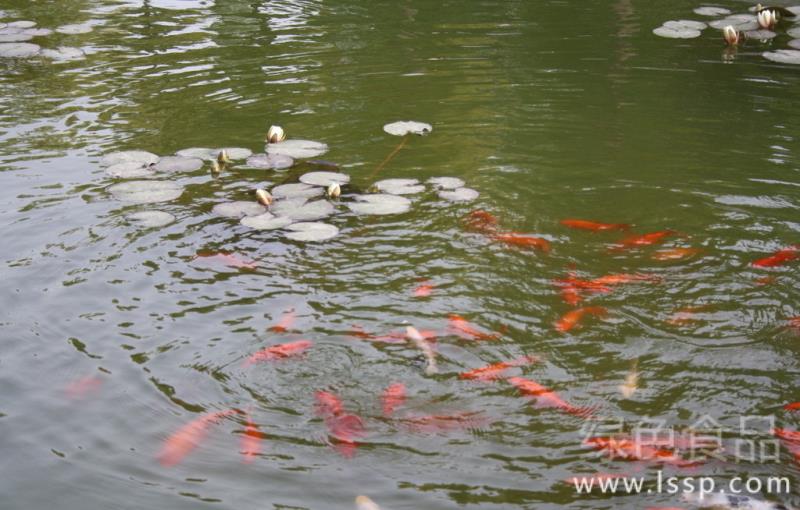
How to scientifically manage fish ponds when diseases break out frequently under high summer temperatures
How to manage fish ponds well in summer when diseases break out frequently under high temperatures
-
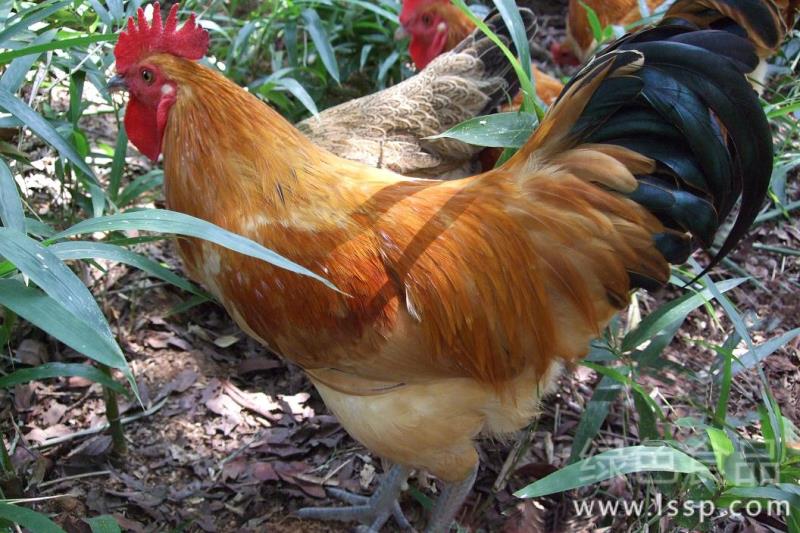
Prevention and Treatment Methods for Stubborn Diarrhea in Broiler Chickens Under High Temperature and High Humidity
Broiler chickens are prone to diarrhea under high temperature and high humidity; prevention and treatment methods for stubborn diarrhea in broiler chickens
-
Frequently Asked Questions About Fertilizing and Weeding Cotton Under Plastic Mulch
Recently, Ding Libang, a 75-year-old farmer from Shuqiao Village, Wuluo Town, Yunmeng County, Hubei Province, called me to ask whether he could switch from raising seedlings in nutrient pots and transplanting them to cultivation under plastic mulch this year. Here is my answer. Q: Can chicken manure be used as a base fertilizer for cotton under plastic mulch? A: When using chicken manure as a base fertilizer, several points must be noted: first, the chicken manure must be fully decomposed; second, it must be applied early, before the mulch is laid; third, the application rate must not be less than 1500 kg per mu; fourth, because chicken manure contains a certain amount of weed seeds, attention must be paid
-
Detailed Explanation of Key Techniques for Cultivating Oyster Mushrooms Under Forest Canopy
I. Ensuring Spawn Quality To achieve high and stable yields of oyster mushrooms, it is important to master the correct spawn production process and ensure good spawn quality. The variety we selected is Pinggao No. 1. Practice has proven that good spawn can increase yield by more than 30% compared with poor spawn, and the mushrooms produced are robust with very few pest and disease problems. II. Site Selection The fruiting site for high-temperature oyster mushrooms is a forest arched shed. The requirements are good ventilation and convenient drainage. III. Spawn Bag Preparation The cooked-substrate bag method can be adopted; do not use raw-substrate cultivation. Cooked-substrate cultivation refers to a method in which the substrate is first sterilized at high temperature after being mixed, and then inoculated and incubated.
-
Intensive Prevention and Control of Sudden Garlic Diseases Underway in Cheng County
Facing the severe situation of garlic disease spread across the city since the beginning of winter, Cheng County made early arrangements and early deployments, promptly organizing the agriculture and animal husbandry department to go deep into the county's main garlic-producing areas to carry out investigations, conduct extensive publicity and technical guidance, and promptly apply chemical control to affected fields, so that the sudden garlic diseases were rapidly brought under control. Due to the excessive showers since early autumn, relatively high field humidity, temperatures higher than in previous years, years of continuous cropping of garlic fields in the riverbank areas, a large base of pathogen sources, and heavy application of nitrogen fertilizer in cultivation management and other factors, sudden diseases mainly including garlic gray mold, garlic purple blotch, and garlic leaf blight occurred commonly across the city's garlic-producing areas.
-
How can honeysuckle achieve high yields under artificial cultivation? A detailed explanation of the key technical points
Honeysuckle is a wild plant commonly found at the edges of mountain forests and in thickets, and its dried flower buds are a valuable Chinese medicinal herb purchased year-round by the state. In recent years, due to increased market demand and a sharp decline in wild resources, the price of honeysuckle has continued to rise. Converting it from wild to domestic cultivation and cultivating it artificially on a large scale has become a reliable way to prosper in mountainous areas. To achieve high yield and high efficiency in artificial cultivation, the following technical points must be mastered: 1. Select superior varieties. Superior varieties can be selected from local wild resources by choosing superior individual plants with thick vines, vigorous growth, many branches, a large number of flowers, concentrated flowering,
-
Detailed Explanation of Garlic Processing Technology, Methods and Steps Easy to Understand
Garlic is also known as suan, husuan, and in ancient times was called hu. It is a cultivated species in the genus Allium of the Liliaceae family, in which bulbils form the bulb. Garlic has high nutritional value. Its flavor is unique, with color, aroma, taste, and texture all present, and it can satisfy people's dietary desires on multiple levels. The garlic bulb is white and pungent, with a sticky, spicy, and rich aroma, shaped like pearl white jade, with a strong lingering effect. Garlic scapes are tender and mildly sweet, with green and white alternating, crisp and tasty. Garlic sprouts are green and delicious, with a pungent and spicy flavor and an overwhelming garlic aroma, refreshing and appetizing. There are many ways to eat garlic: it can be eaten raw, mixed in salads, stir-fried, and can also be used as a seasoning. It can also be processed into many kinds of food.
-
Pigs rooting at the pen and gnawing at soil are not just mischief; the reasons behind it need to be understood
Pigs rooting at the pen and gnawing at wood and soil are not just playing around; it is an abnormal phenomenon that affects the pigs' normal growth and development. The main causes are: first, growing-finishing piglets lack the mineral feed needed for growth; lactating sows and pregnant sows use their own mineral elements for the normal growth of suckling piglets and fetuses, and the minerals in the feed are hard to meet the demand. Second, the feeding is unreasonable: too little feed is given, the pigs do not eat their fill, and no water is provided with the feed. Third, sick pigs also show pen-rooting and gnawing at wood and soil. Prevention methods: first, pay attention to the feed mixing ratio and add mineral
-
Detailed Explanation of Agronomic Supporting Techniques for Drip Irrigation Under Plastic Mulch in Cotton
Drip irrigation under plastic mulch is a technique that combines drip irrigation technology with plastic film mulching cultivation technology. Water is supplied through a controllable pipeline system; after water and fertilizer are mixed, they are delivered drop by drop evenly, at set times and in set amounts, moistening the crop root development zone and always keeping the root-zone soil loose and at optimal moisture. It reduces evaporation between crops and improves water use efficiency. 1. Irrigation regime. For subsurface drip irrigation, total water use was 175.48 million cubic meters. Dripping was done 9 times. For precision drip irrigation, total water use was 177.84 million cubic meters. Dripping
条件筛选