-
Causes of Yellowing and Drying Leaves in Tomato Plants After Fruit Set and How to Prevent and Treat Them
Tomato leaves suddenly turning scorched yellow and wilting during the fruiting stage? Don't panic! Here we explain the causes and the corresponding symptoms. 1. Improper watering Waterlogged roots and root rot: the potting soil stays soggy for a long time, the roots are deprived of oxygen and rot, and the older leaves turn yellow first, spreading upward from the bottom; they feel soft and mushy to the touch, and in severe cases the whole plant wilts. Drought and lack of water: forgetting to water for a long time
-

What is the difference between yellow lemons and perfume lemons? The two are not the same
In daily diet and life, although yellow lemons and perfume lemons both belong to the lemon category, they differ significantly in many aspects. Understanding these differences can help everyone use them more adeptly. 1. Distinguishing appearance characteristics Perfume lemon: the fruit is green, elongated in shape, relatively large and seedless. Its peel surface
-
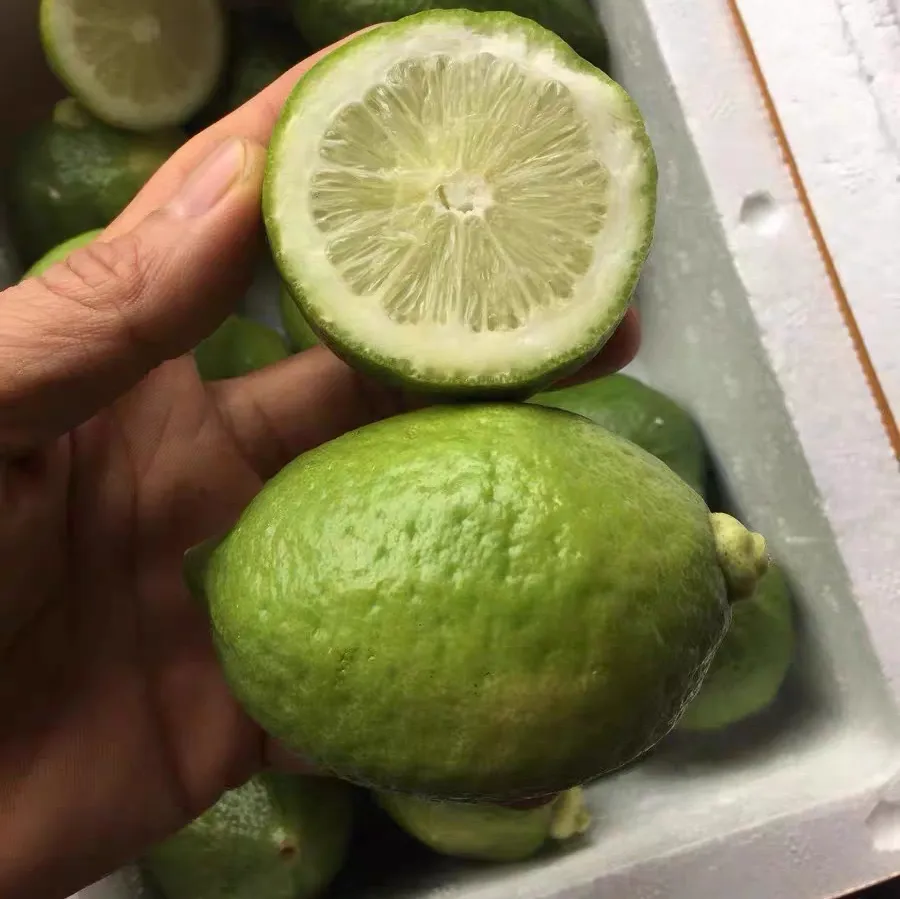
Are yellow lemons the same as perfume lemons?
In daily diet and life, although yellow lemons and perfume lemons both belong to the lemon category, they have significant differences in many aspects.
-
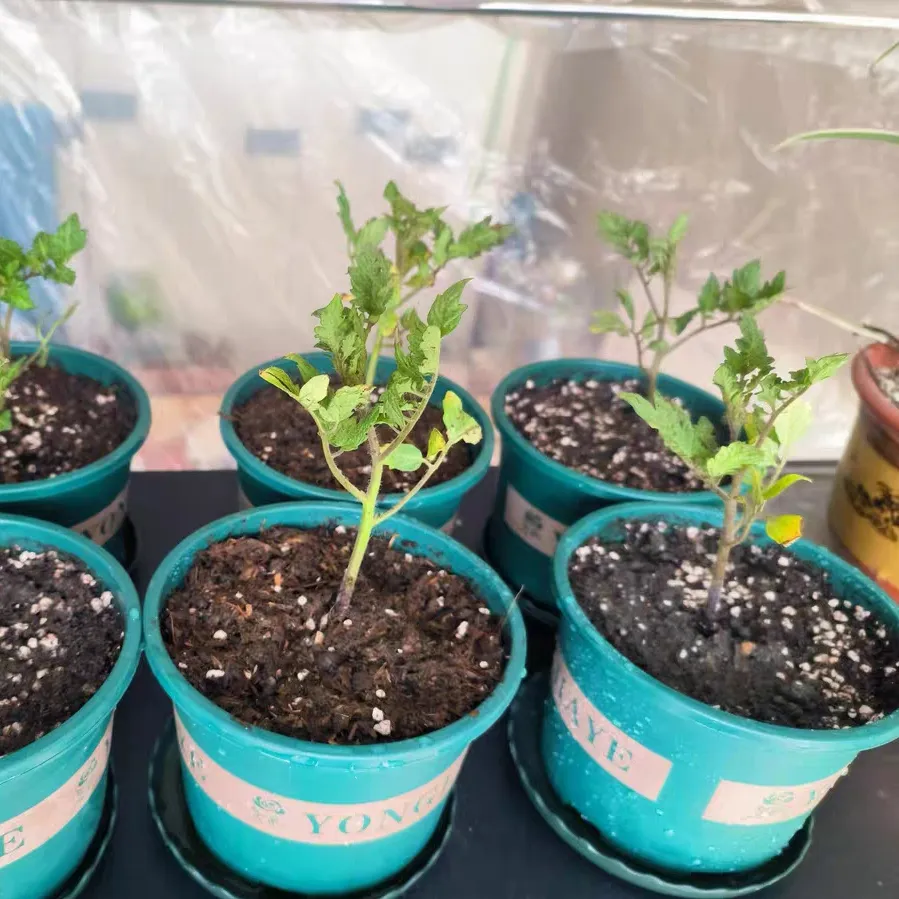
What causes the leaves of tomatoes to turn yellow and dry after fruiting?
Are the leaves of your tomatoes suddenly turning yellow and withered during the fruiting period? Don't panic! Here are the causes and corresponding symptoms:
-
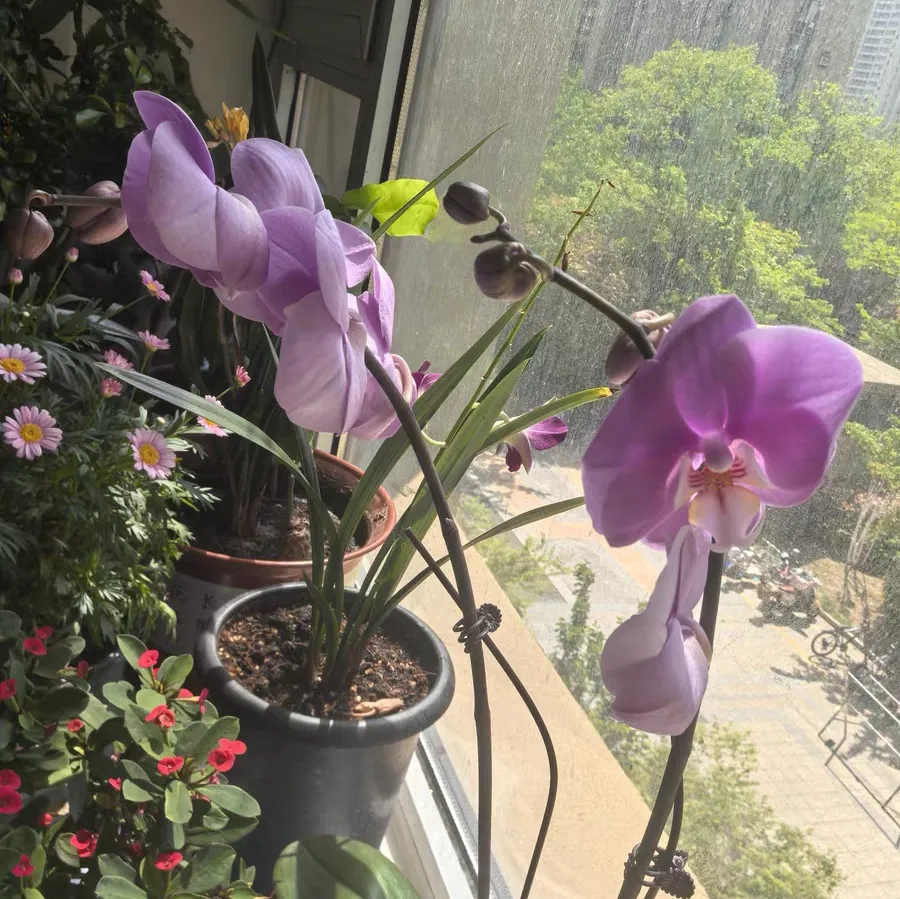
What causes the roots of Phalaenopsis to turn white?
A healthy root system is fundamental to the growth of Phalaenopsis. If the roots turn white, it is mostly related to improper water management. ### I. Causes
-

What pot size in centimeters is suitable for repotting a Phalaenopsis? A detailed guide to the soil and pot changing method
Generally speaking, when a Phalaenopsis's condition suddenly takes a nosedive, besides improper daily care, it may also be because the medium in the pot has become compacted, and the media commonly used for orchids include sphagnum moss and bark. When sphagnum moss becomes airtight, it easily develops mold and a foul smell inside, and the roots get dragged into it too
-
The three simplest steps to acclimate a Phalaenopsis orchid, do this when you just bring it home
During the student holiday season, many parents take their children to flower markets to buy potted plants to care for at home, and the "Phalaenopsis orchid," hailed as the fairy among flowers, is often the first one children point to and ask to keep, because its appearance is unique, just like butterflies dancing. So how do you acclimate a newly bought Phalaenopsis orchid? What should you do to help it smoothly
-

A Detailed Explanation of the Causes and Contagiousness of Stem Rot in Phalaenopsis Orchids
When it comes to Phalaenopsis orchids, they are truly beautiful beyond words and look especially classy placed at home. But as you care for them over time, you may sometimes find that part of the stem has rotted, and gradually the whole plant wilts. This is what is commonly known as stem rot. Many orchid enthusiasts have encountered this situation. What causes stem rot? The main reason is that fungi are
-

Which flowers are suitable for dry cultivation in summer? An analysis of why fresh flowers wither
We are about to enter the first fu period of summer, when temperatures rise day by day and water evaporates faster at noon than at any other time. Logically, watering flowers should be done more frequently. However, this also depends on the variety, because some flowers are strange: in summer they actually need to be kept dry, and extra watering instead causes problems such as rot, black rot, and root rot
-

Causes and Control Methods of Southern Blight in Phalaenopsis Orchids
Fellow plant lovers probably all know that the flower most prone to disease is the "rose," but even so, many people on the market still like to grow it, because rose blooms have overlapping petals that look beautiful and are very pleasing to the eye when placed at home. In recent years, the market has quietly begun to change, roses have become less popular, and in their place is the "phalaenopsis orchid," for a simple reason: the flower shape is attractive, and it is not very prone to disease.
条件筛选