-

What Is High-Temperature Composting? A Full Breakdown of the Key Technical Points
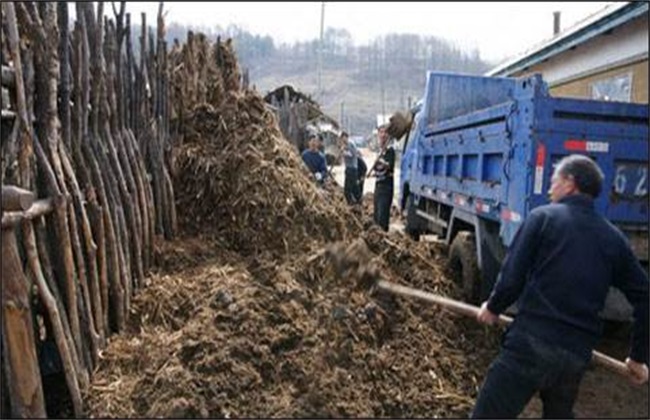
Compost is a kind of organic fertilizer with relatively rich nutrients and a long-lasting, stable fertilizing effect, and it can also increase the soil's ability to retain water, hold heat, allow air through, and retain fertilizer. Ordinary compost is made by decomposing under anaerobic conditions, and the compost temperature does not exceed 50°C; during decomposition
-
Biodegradable bag recycling and composting system puts the zero-waste circular value into practice
Establish a biodegradable bag recycling and composting system to put the zero-waste circular value into practice
-
-
Pomelo purchased in bulk by the government and then discarded? The Council of Agriculture refutes the rumor: substandard pomelos are made into compost
[Rumor refuted] Government purchased pomelos in bulk and then discarded them? Council of Agriculture: substandard pomelos that do not qualify for processing are made into compost
-
Correct Methods and Technical Key Points for Returning Wheat Straw Compost to the Field
Choose a flat spot at the edge or corner of a field close to a water source, and firm the ground. Chop the wheat straw short, soak it with water, and then build the pile. First spread a layer of wheat straw about 25 cm thick, press it firm, then pour on human and livestock manure and urine, or for every 100 kg of dry wheat straw add 0.5 kg of urea and 2 kg of superphosphate, and spread a layer of pond mud 10 cm thick on top. Then spread another layer of straw, pour on fertilizer, and cover with pond mud. Build up layer by layer in this way until the pile reaches 1.5-2 m high. Finally seal the pile with thin mud. After 30 days, turn the pile and add an appropriate amount of water. After 2 months in summer, or 3-4 months in winter, it will be
-
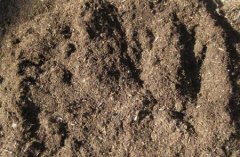
The principles of kitchen waste composting and how to make a compost bin, eco-friendly and practical
Nowadays, we all want a good ecological environment, and many people are making compost, which is both eco-friendly and practically useful. So how do you make compost? Do you know? Let's take a look together. For composting to succeed, you must provide the right amount of water, air,
-
The Benefits and Uses of Compost Explained in Detail
What benefits does applying compost have? Do you know? The nutrient source for organic crops, under the principle that chemical fertilizers must not be used, depends entirely on the use of compost. As for the nutrient content of compost, aside from itself containing a small amount of readily available inorganic nutrients, most
-
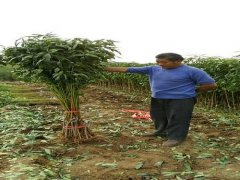
What is organic matter in fertilizer, and what types are there?
Do you know the selection and application techniques of organic matter fertilizers? If not, then take a look at this article and learn about it. This way you can fertilize crops better. Choose according to soil conditions. You can send soil samples to an improvement station to analyze the soil's organic matter.
-
What are the raw materials for organic fertilizer? Farm-made organic fertilizer vs. commercial organic fertilizer
In what ways do farm-made organic fertilizer and commercial organic fertilizer differ? Because organic materials differ in composition and in the nutrients they release upon decomposition, their application requires attention to the advantages and disadvantages of each organic material, making up for shortcomings by drawing on strengths, and making the most appropriate blending and application, which will achieve twice the result with half the effort
-
What is compost? How to make compost from weeds and other waste
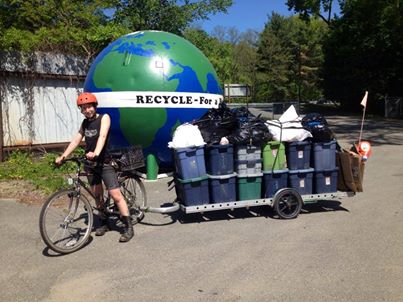
The power of the pedal - PedalPeople
条件筛选