-

Which plants are difficult to keep through the summer? A rundown of plants that easily die in summer
In the scorching summer, the sun seems to bake the earth every day. Walking into a flower market, there are still plenty of brightly blooming flowers inside, a real feast for the eyes. But as a veteran flower grower, I'd say there are several plants on the market that you'd better not buy in summer, because they are very easy to kill. Fuchsia: fuchsia, as a plant that blooms in spring and autumn
-

What are the functions and benefits of Phalaenopsis leaves? You can also judge its health from the leaves
I believe everyone is happy to see their plants blooming abundantly, and to achieve a full bloom, you must of course learn each plant's preferences, so you can tailor care to the plant and grow it better. In recent years, the popular "Phalaenopsis" has become a hot-selling flower, and when it comes to care, a heart that gets to the bottom of things is essential. Today we will focus on
-

Can a Phalaenopsis with stem rot still be saved? Detailed explanation of the most effective treatment
Can a Phalaenopsis survive stem rot? Actually, as long as it is discovered early and treated promptly, there is a good chance it can be saved. But if you wait until the entire stem has rotted through, then even a miracle worker cannot save it. So the key is "early detection, early action." How do you tell if it is stem rot? The most obvious sign is brown spots appearing on the stem
-

Are old Phalaenopsis (moth orchid) plants prone to pests and withering?
When you have kept a Phalaenopsis for a long time, do the old plants especially attract pests? Do they wither just like that? In fact, compared with new plants, old Phalaenopsis plants do indeed face more problems during care, and this is closely related to factors such as the plant's own condition and the growing environment. Old Phalaenopsis plants are indeed more prone to pests than new plants, mainly because their
-

Are hydroponic plants easy to grow in summer? Recommendations for the easiest varieties to keep alive
As soon as summer arrives, many friends start to worry: with soil-grown flowers, watering too much causes root rot, and watering too little makes them wilt. Why not try hydroponics? But then they worry it is too hot and plants in water are hard to look after. Actually, hydroponics in summer is not as difficult as you might imagine. Pick the right varieties and master a few small tricks, and it is actually much less trouble than soil growing. Is hydroponics in summer really good
-

What is the difference between a Phalaenopsis side shoot and a small seedling?
After growing Phalaenopsis for a long time, you will always find some new little sprouts emerging in the pot. Some people say these are side shoots, others say they are small seedlings, but in fact the two are not the same thing at all. Where do side shoots come from? They generally emerge from the side of the stem of a mature plant, especially after flowering, or when the plant is slightly aging, they are particularly
-
Which flowers are not afraid of the sun and bloom multiple times a year?
For many flowers, July and August are a challenge; a little carelessness and they may get scorched by the sun and die. But the world is vast and full of wonders, and some flowers happen to love this blazing heat, and August is their golden blooming period. Bougainvillea, also called paper flower, is a plant native to South America, and with its heat tolerance and
-

Pros and Cons of Domestic vs. Chilean Sphagnum Moss for Phalaenopsis and the Three Most Expensive Varieties
As we all know, Phalaenopsis is elegant in form, and once in bloom it looks like dancing butterflies, leaving a lasting impression. This unique orchid is actually different from ordinary flowers, especially when it comes to potting medium, which needs high air permeability and water retention. If you mistakenly use ordinary garden soil, you may easily kill it. New phalaenopsis growers
-

How to tell the age of a Phalaenopsis orchid seedling, and after how many years does it stop growing?
Growers of Phalaenopsis orchids have probably all wondered: how old is this plant, exactly? How do you tell? And after how many years does it stop growing? Actually, it's not hard — just look at its "figure" and you'll have a good idea. The age of a Phalaenopsis seedling is mainly judged by its pseudobulb, the plump little "belly" beneath the leaves. A one-year seedling is the thinnest and smallest, usually
-
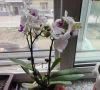
How to grow Phalaenopsis orchids so they produce more flower buds
Want your Phalaenopsis orchid to have more flower buds? The key lies in the three core factors of light, temperature difference and nutrients! Below is a step-by-step guide to the specific steps, so even beginners can easily get it right ~ Temperature difference: keep the nighttime temperature at 15-20°C and the daytime temperature at 25-30°C, by opening windows for ventilation (avoid direct cold drafts). Note! The temperature difference must not exceed
条件筛选