-
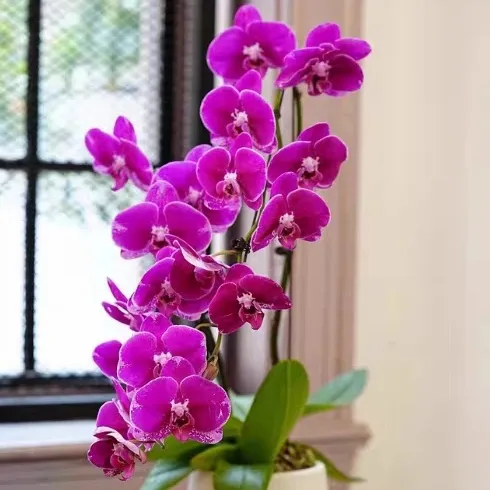
What should I do if there are many small insects in the Phalaenopsis pot?
The Phalaenopsis you’ve been carefully nurturing has just sprouted a flower spike, when suddenly a bunch of tiny flying insects appear on the surface of the
-
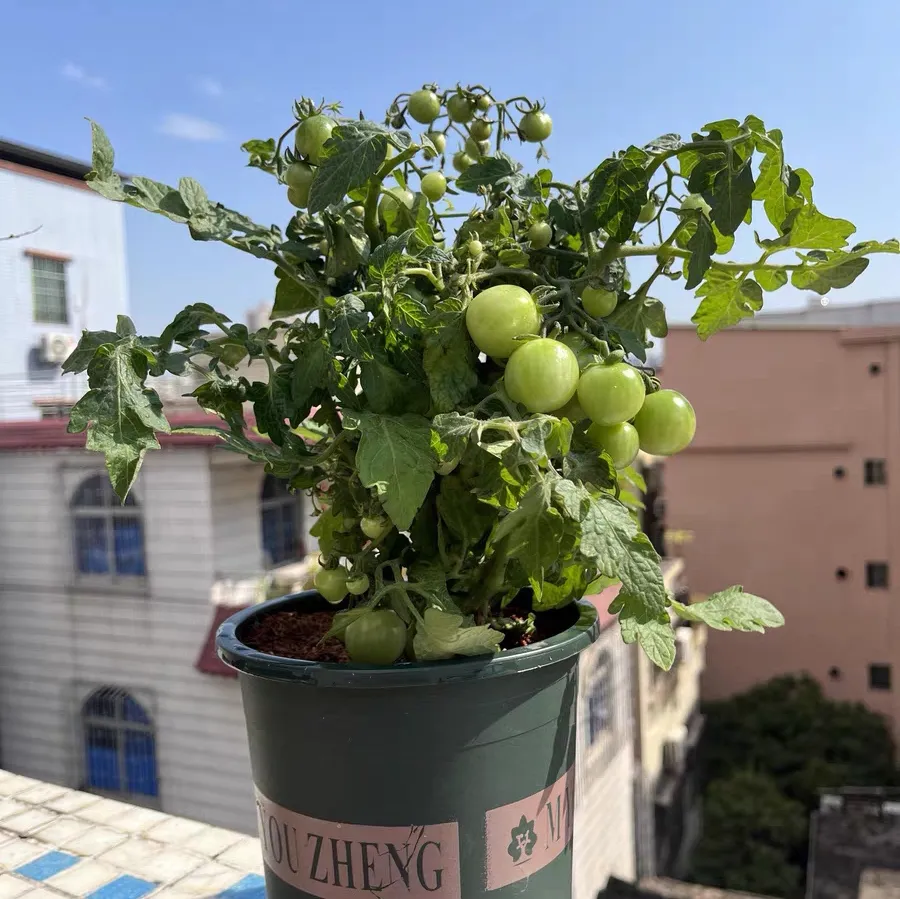
Is the formation of bumps on tomato stems a disease?
Don't ignore the bumps on tomato stems – timely treatment is essential to ensure a good harvest! Today, we've sorted out the common causes and solutions, so
-
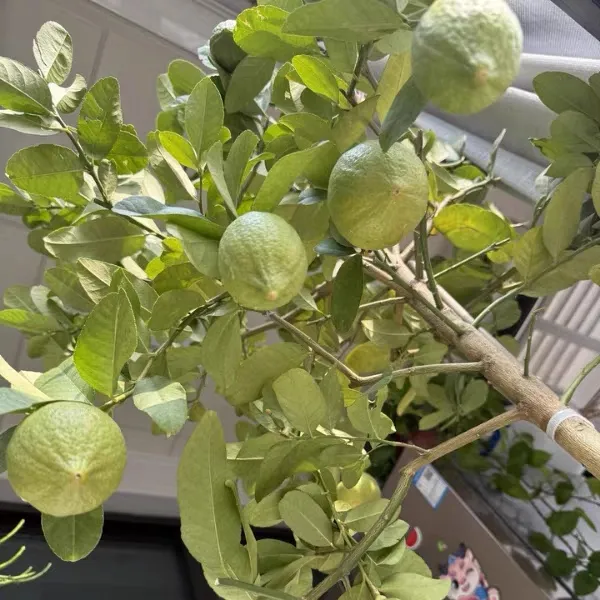
What's the matter with the yellowing and falling leaves of the lemon tree?
Don't panic if your lemon tree has yellowing or falling leaves! Identify the cause and take targeted measures, and it will soon regain vitality. We've compiled
-

These five green plants cannot be exposed to strong sun; they easily get scorched to death
Once summer arrives, can the green plants at home be placed on the balcony or not? Actually, some plants are naturally afraid of the sun; a little too much sun and they droop, and in serious cases they die outright. Today let's talk about the five green plants most afraid of the sun. If you have any at home, you'd better move them right away! Pothos: Pothos is practically the number one victim of the "sun killer"
-

What is the difference between old and new Phalaenopsis orchids, and should they be watered the same way?
Phalaenopsis growers may notice that old plants and new plants look different, and when it comes to watering, you really cannot treat them all the same. First, let's talk about the differences between the two, then discuss the ins and outs of watering, so even beginners can understand. A small plant just bought from a flower shop has tender leaves, only 2-3 of them, and most of the roots are white or light green
-

What color are healthy Phalaenopsis roots, and what do they look like?
Gardeners who grow Phalaenopsis know that their roots are not like those of other flowers, hidden away in the soil where you cannot see them; Phalaenopsis roots just boldly sit out in the open, and their color keeps changing, so what exactly does a healthy one look like? A healthy Phalaenopsis root should be plump and round, like a full little straw.
-

Are lots of aerial roots on a Phalaenopsis a good thing, and what to do if there are too many
The Phalaenopsis has a naturally "maverick" character; other flowers hide their roots in the soil, but this one sends many roots straight out into the air, white and tender, looking quite distinctive. So are lots of these aerial roots a good thing or a bad thing? And if too many grow, will it affect flowering? The Phalaenopsis is by nature an epi
-

Which houseplants can't tolerate waterlogging? These five hate being overwatered the most
You water them every day and fuss over them, yet the plant wilts instead. You dig into the soil and find the roots have rotted to mush. The truth is, not all plants love to drink. Some are naturally afraid of waterlogging, and the more diligently you water them, the faster they die. Today let's talk about five houseplants that fear water the most. Beginners, take note. Snake
-

What are Phalaenopsis aerial roots, and is it harmful if they grow too many?
Those plump, white roots with a silvery-gray tinge that poke out of the pot on a Phalaenopsis, some even able to wind all the way around the pot, are the orchid's aerial roots. Even though they look messy, these exposed roots are actually the Phalaenopsis's secret weapon. Unlike the roots of ordinary plants that are buried in soil, Pha
-

Can Messy Phalaenopsis Leaves Be Fixed with String, and How Long Should They Stay Tied?
Speaking of Phalaenopsis, when it blooms it looks ethereal and graceful, but once the leaves get messy, the whole plant looks listless. This is especially true for older plants that have been grown for a long time - the leaves lean every which way, and some can even droop outside the pot. So can you use string to tie the leaves in place? Actually, fixing them with string is completely fine, but you have to go about it
条件筛选