-

What are the precautions for growing miniature roses?
Miniature roses are prone to pests and diseases during cultivation, with the main diseases being powdery mildew, gray mold, and black spot. At this point, we can carry out scientific cultivation to prevent and control them, spraying 5 degrees Baume lime sulfur mixture before budding to enhance the plant's disease resistance, and promptly removing dead branches and fallen leaves.
-
How to grow miniature roses? Understand the care methods in one article
Watering: Miniature roses have small plants and shallow roots. In summer, water once in the morning and once in the evening; do not water at night. Before budding in spring, keep the potting soil moist, and do not water unless the soil is dry. After budding, gradually increase the amount of watering. Repotting: Repotting is mostly done before spring budding, once every 1 to 2 years, removing about 2/3 of the old soil
-
How to Grow and Care for Miniature Roses
Miniature roses love light, and giving them appropriate light during the day helps them grow. They also quite like fertilizer, and we need to fertilize them regularly every month to ensure they have sufficient nutrients. In summer, avoid excessive heat; once the temperature exceeds 33°C, shade them appropriately. If you want to care for them better in summer
-
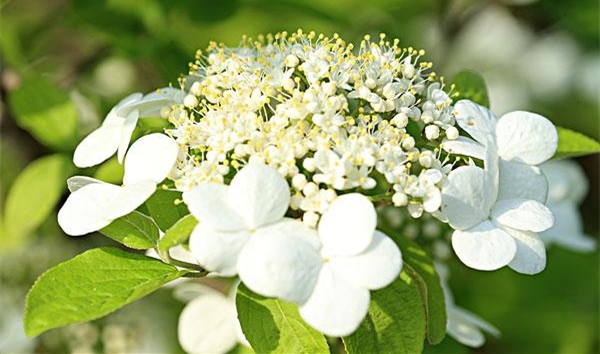
Detailed Guide to the Cultivation Methods and Precautions for the Guelder Rose (Viburnum macrocephalum)
The suitable growing temperature for the guelder rose is between 15 and 30°C. It is a plant that is relatively shade-loving and shade-tolerant, and has strong cold resistance, so in summer it should be sprayed with water to cool it down, and it is best to plant it in slightly acidic and neutral soil.
-
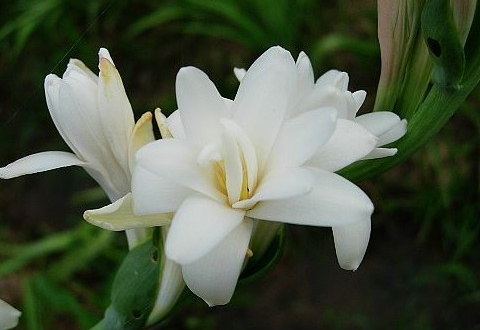
Tuberose Growing Methods and Precautions
1. Soil: Tuberose is not strict about soil, preferring fertile clay soil that does not waterlog; it is not suitable for growing in sandy soil. 2. Light: Tuberose likes ample light and needs frequent ventilation; in summer it should be cared for on balconies and in courtyards to ensure sufficient sunlight. 3. Temperature: Tuberose likes a warm environment.
-
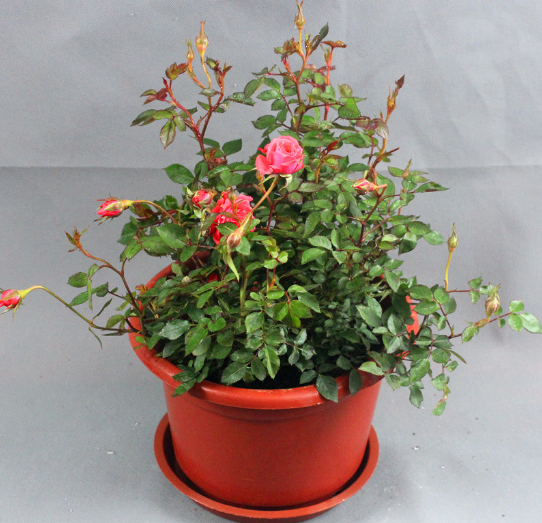
How to grow Chinese roses? These cultivation points need to be known
1. Cold protection. Chinese roses are very cold-hardy and can withstand low temperatures of -10°C. Generally speaking, in the south they can be placed directly under a south-facing eaves to overwinter, while in the north potted Chinese roses should be moved indoors to a ventilated spot when the temperature drops below 10°C. Note that after the flowers fade in October, do not prune
-
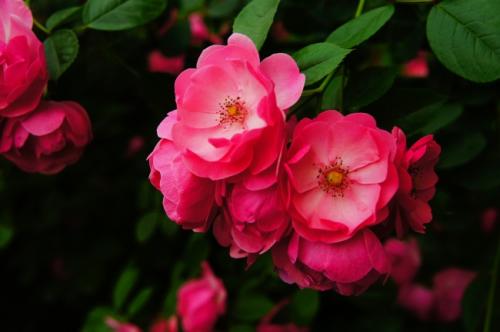
How to grow roses? An introduction to practical care methods
1. Plenty of light. Roses like light and need plenty of it, so make sure roses get plenty of light. 2. Proper watering. Roses are slightly shade-tolerant but afraid of waterlogging, so watering must be controlled properly: not too much, not too little. Just keep the soil moist, and never let water accumulate.
-

What are the propagation methods for roses?
I. Seed sowing method. Sowing is also a propagation method. First, collect the seeds of the rose, then dry them. Only after the seeds are dry can they be planted in the soil. Then ensure the soil stays moist with sufficient nutrients, and finally wait for them to take root and sprout.
-
How to Plant and Care for Rose Bushes: Key Points
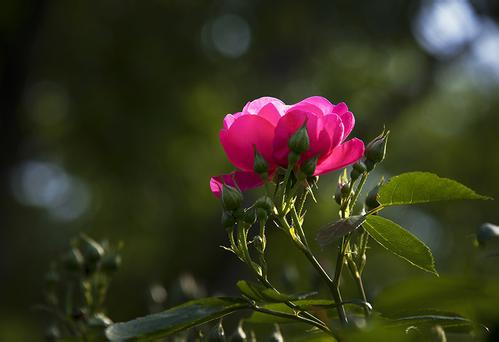
Method One - Cuttage Propagation. Cuttage is the most common method of propagation, generally carried out in late spring and early summer. First, select suitable branches, generally choosing those with good growth, good development, and no pests or diseases. After cutting them off, let them dry in the sun for two days
-
What are the cultivation methods and precautions for Rhipsalidopsis rosea?
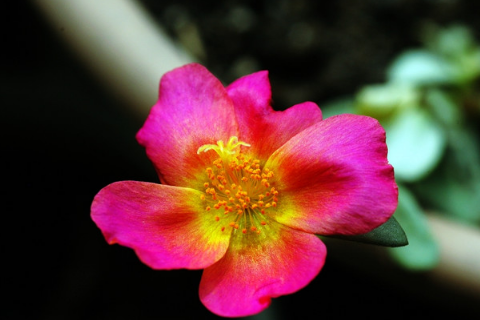
Watering: In spring and autumn, water once a week to keep the soil moist. In summer, provide appropriate shade; in winter, keep the soil moderately moist, and the specific watering frequency depends on the room temperature. Fertilizing: Fertilize once a month, using a low-nitrogen fertilizer or a special succulent fertilizer. Light: During the flowering period, ensure sufficient light and move the plant as little as possible to avoid broken stems and fallen flowers
条件筛选