-
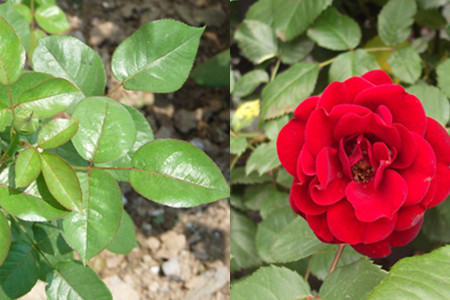
Three symptoms of root rot in roses (Chinese rose) caused by overwatering that must be dealt with promptly
Roses (Chinese rose), also known as yueyuehong or yuejihua, are evergreen or semi-evergreen low shrubs of the Rosaceae family. They bloom in all four seasons, generally red, or pink, occasionally white and yellow. They can be grown as ornamental plants and also used as medicinal plants.
-
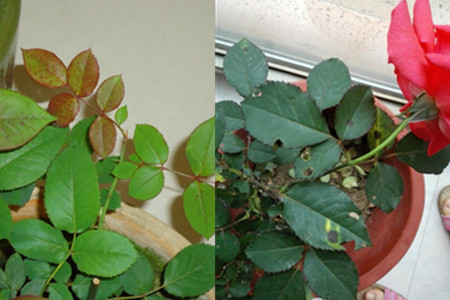
What to Do When Rose Leaves Develop Black Spots? Three Methods to Teach You Prevention and Control
Rose black spot disease is a common disease, with the affected parts being mainly the leaves, followed by the petioles, leaf tips, young tender branches and pedicels. This disease causes the leaves to turn yellow and fall early; when the disease is severe in April and May in summer and in late summer in August and September, the leaves can all fall off completely.
-
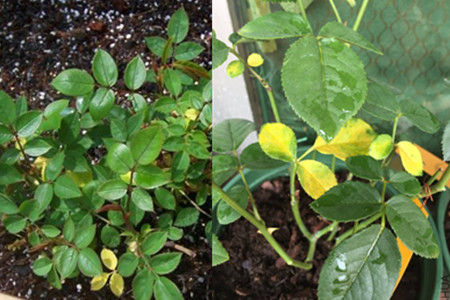
What causes rose leaves to turn yellow? Diseases and pests are the main causes
The rose is a very common flower plant, with abundant blooms and brilliant colors, and it is very popular among people. However, many flower growers who keep roses have encountered the situation of leaves turning yellow, so what exactly are the reasons
-

Rose cutting technique: a hands-on guide to propagating plants
Rose, also known as yueyuehong, is an evergreen or semi-evergreen low-growing shrub of the Rosaceae family. Roses bloom in all four seasons, generally red, or pink, occasionally white and yellow. They can be used as ornamental plants or as medicinal plants, and are also called yuejihua.
-
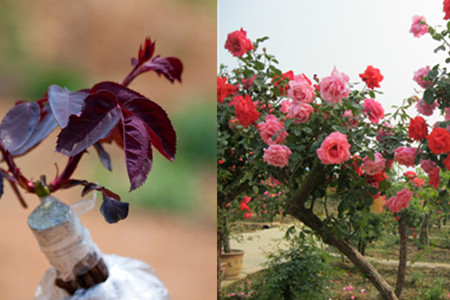
What tree is used to graft roses? Both Rosa multiflora and Rosa rugosa can be chosen
Everyone is surely familiar with grafted roses. Grafting takes a fresh branch of a rose and grafts it onto the rootstock of another variety, so that the characteristics of the two plants blend together and produce even more brilliantly colorful roses
-
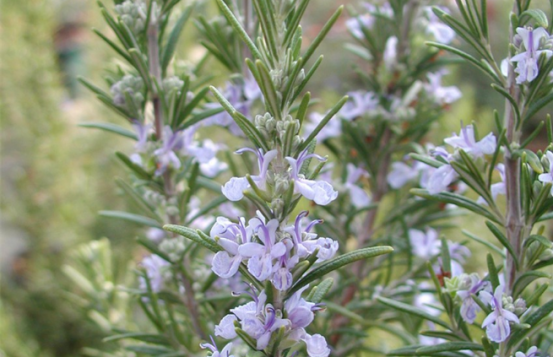
How to grow rosemary? Detailed guide to cultivation methods and precautions
1. Light and temperature. Rosemary likes a warm and suitable environment. In the south it can be grown year-round, while in the north it is mostly grown in pots, which makes it easier to move indoors in winter to keep warm. Rosemary likes sunlight and needs no less than 8 hours of sunlight per day. In summer, when temperatures are high, it can be shaded appropriately. 2. Soil
-
A Detailed Guide to Rosemary Pest and Disease Control
1. Diseases. The common diseases of rosemary are root rot, gray mold, etc. Control methods: Rosemary diseases occur mainly because the air environment is too humid. Once disease is found, move the plant outdoors promptly to a ventilated, cool place. 2. Pests. The main pests of rosemary are red spider mites and whiteflies
-

What are the precautions for growing climbing roses?
When planting climbing roses, note that sunlight should not be too intense, but there should not be no sunlight either. Especially in summer, take care to prevent prolonged direct sunlight. They need to be planted in a place with good air circulation and shade. Climbing roses are also excellent ornamentally; if you can grow a pot of climbing roses at home
-
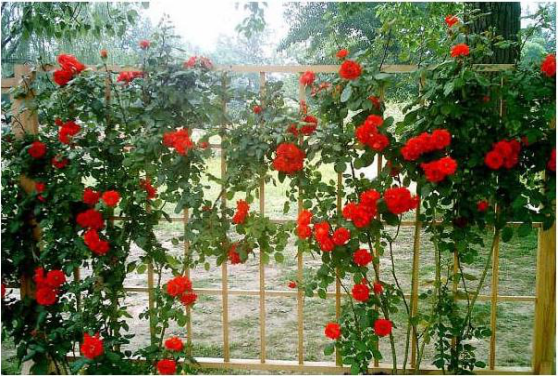
What are the propagation methods for climbing roses?
Climbing roses are very difficult to root from cuttings, so asexual propagation methods such as grafting are generally used. Grafting from branches, buds, or roots is all possible. Watering climbing roses: climbing roses must not lack water throughout their entire life cycle. From bud break to leafing out and flowering, sufficient water must be ensured. Especially during the flowering period, water demand is very high
-
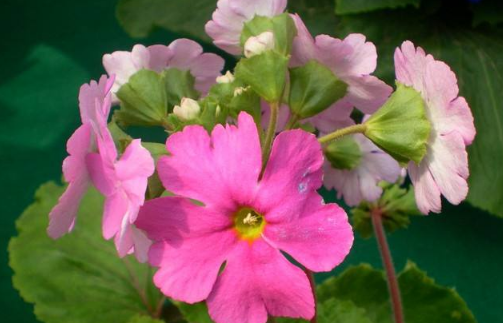
A Detailed Guide to Propagating the Fairy Primrose (Primula malacoides) from Seed
Seed Sowing Method The sowing method for the fairy primrose is to sow the seeds immediately after harvesting them, because their seeds do not live very long, generally 6 months at most. If you want to store them for longer, you need to keep them in a low-temperature, dry environment.
条件筛选