-
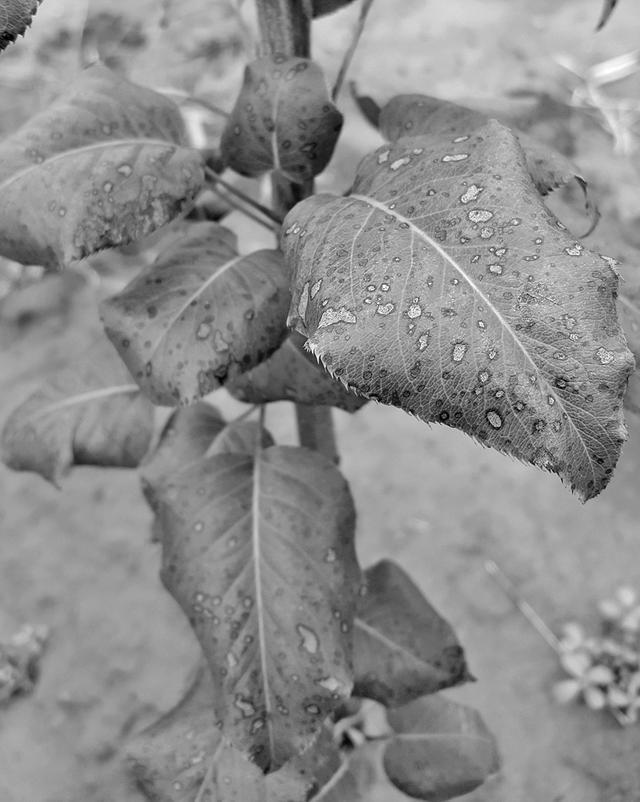
Symptoms, Occurrence Patterns and Causes of Pear Brown Spot Disease and Its Control Measures
Symptoms and Patterns of Pear Brown Spot Disease, Causes of Occurrence and Control Measures 1 Symptoms and Patterns of Occurrence 1.1 Symptoms In the early stage, the leaves of affected pear trees show grayish-white dot-like spots measuring 1-2mm with clear edges, which gradually expand into...
-
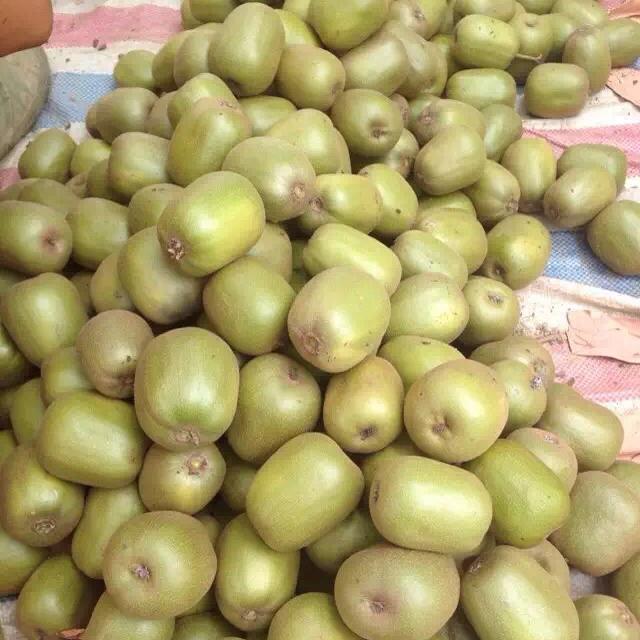
Detailed Explanation of the Damage Symptoms, Occurrence Patterns and Control Methods of Common Kiwifruit Diseases
Damage Symptoms, Occurrence Patterns and Control Methods of Common Kiwifruit Diseases Fund Project: 2016 Tai'an City Science and Technology Development Plan (2016NSOO57); Shandong Provincial Key R&D Plan (2017GNC10118). 1 Bacterial canker Kiwifruit bacterial canker is caused by...
-
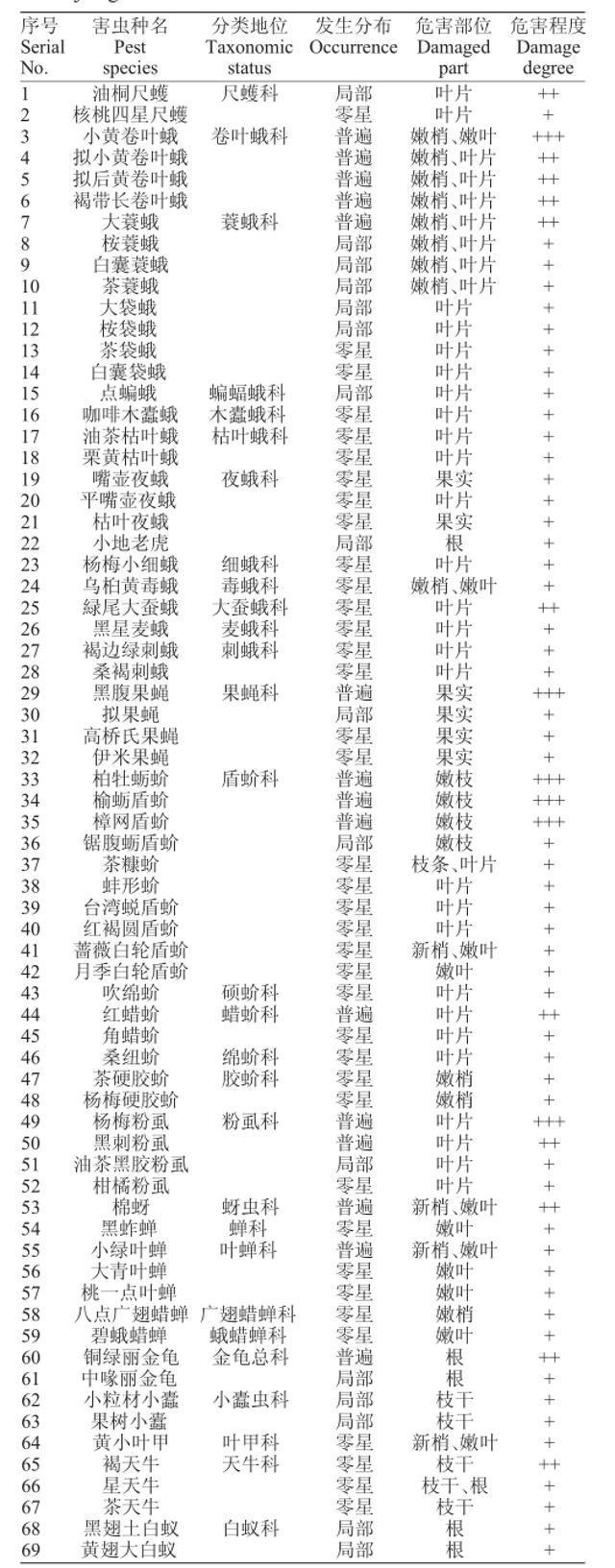
What types of pests and diseases affect bayberry? Occurrence patterns and green control techniques in Zhejiang
Species and Occurrence Patterns of Bayberry Pests and Diseases in Zhejiang Province and Their Green Control Techniques 0 Introduction [Research significance] Bayberry [Myrica rubra (Lour.) Sieb. et Zucc.] is a distinctive fruit of southern China, with a sweet-and-sour taste and unique flavor, enjoying a high reputation both domestically and internationally. Zhejiang Province is the main bayberry production area in China, with a total planting area of 86,500 ha, accounting for about one-third of the national total, an annual output of about 500,000 t, and an output value of 4.83 billion yuan, ranking first in output value among fruits in Zhejiang Province. It is the leading industry for farmers in mountainous and semi-mountainous areas of Taizhou, Wenzhou, Ningbo, Lishui, and Jinhua. In recent years, the bayberry industry in Zhejiang has developed rapidly, especially with the continuous expansion of the planting area of Dongkui bayberry, and the occurrence of pests and diseases has shown an increasingly severe trend, with heavy control tasks and great safety hazards. Therefore, identifying the main pest and disease species and their occurrence and damage patterns in Zhejiang bayberry, and proposing control strategies and green control techniques, is of great significance for ensuring the sustainable and healthy development of the bayberry industry and increasing farmers' income. [Previous research progress] To date, there have been many studies on the main pests and diseases, occurrence patterns, and control techniques of bayberry in various main production areas of Zhejiang Province. Wang Hongxiang et al. (1999), Gong Jieqiang and Wang Hongxiang (2002) reported that the main diseases damaging bayberry in Taizhou City, Zhejiang Province include brown spot disease, cancer disease, red coat disease, dieback disease, branch rot disease, and shoot blight disease, and the main insect pests include scale insects, whiteflies, oil tung geometer moths, leaf roller moths, bagworm moths, and termites. They analyzed the reasons for the increase in pest and disease occurrence and proposed corresponding control measures, but did not go deep into specific pest and disease species investigation and green control techniques. Liu Yougao et al. (2006) reported the occurrence characteristics and control techniques of bayberry cancer disease, brown spot disease, scale insects, and moths in Wenzhou City, Zhejiang Province, but there has not yet been a systematic investigation of other pest and disease species of bayberry, and most of the chemicals introduced in chemical control are not registered on bayberry, making safe pesticide use a difficult problem. Liu Gaoping et al. (2013) and Zou Xiuqin et al. (2015) reported simple net-room cultivation and green control techniques for Dongkui bayberry. Ren Haiying et al. (2014) reported the occurrence and control of bayberry wilt disease and slug moth pests. [Entry point of this study] From the overall research status, the investigation of bayberry pest and disease species and control techniques in Zhejiang is still not systematic and in-depth enough, and the various measures of agricultural, biological, physical, and chemical control still lack organic coordination and matching, thus affecting the implementation of integrated control techniques and the improvement of economic, social, and ecological benefits. [Key problems to be solved] Using a combination of systematic general survey and fixed-point monitoring, experimental research, and demonstration and extension, the main pest and disease species, distribution, and damage conditions of bayberry in the main production areas of Zhejiang Province were investigated, and the green control techniques and integrated management strategies for main bayberry pests and diseases were explored, providing a scientific basis for bayberry pest control.
-
A detailed explanation of the morphological characteristics, occurrence patterns and key control techniques of the Shanhua plum longhorn beetle
Morphological characteristics, occurrence patterns and key control techniques of the Shanhua plum longhorn beetle 1 Morphological characteristics 1.1 Adult The body is long and cylindrical, with the front end of the body expanded into a round shape, resembling a head; the head is flexible, the back is slightly flattened, and there is a pair of exceptionally long antennae, the antennae...
-
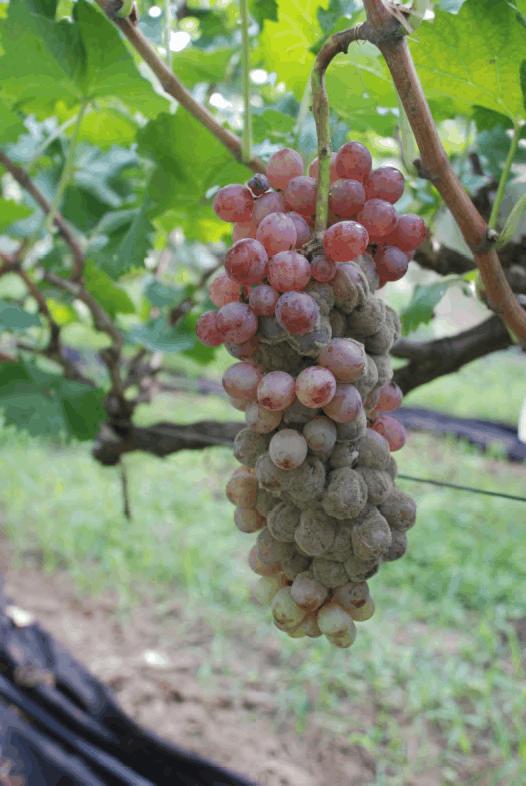
How to prevent and control grape gray mold? Detailed explanation of its occurrence pattern and green control techniques
Occurrence pattern of grape gray mold and green control techniques. Grape gray mold, commonly known as "rotten flower cluster," is one of the most common and seriously damaging diseases in grape production, mainly caused by Botrytis cinerea. In recent years, whether under protected cultivation or open-field cultivation...
-

Eating "Five Poison" cakes at Dragon Boat Festival: what are the five poisonous creatures on the patterns?
When it comes to Dragon Boat Festival, the first things that come to mind may be zongzi, dragon boats and Qu Yuan, but according to textual research, as early as the Spring and Autumn period before Qu Yuan, ritual activities were already regularly held on the fifth day of the fifth lunar month in places such as Chu, Wu and Yue. These activities...
-
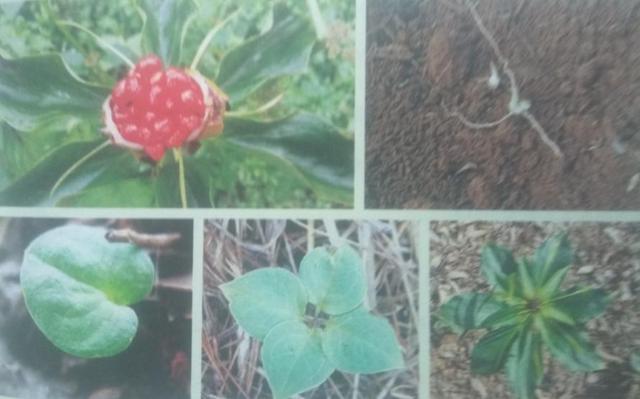
Detailed Explanation of Paris polyphylla Medicinal Resources and Growth and Development Patterns
Medicinal Resources and Growth and Development Patterns of Paris polyphylla. Paris polyphylla is a perennial herb with a relatively long life cycle, generally over 10 years, and under good conditions can survive for 30 years. The entire life cycle of Paris polyphylla begins with seed germination and can be divided into...
-
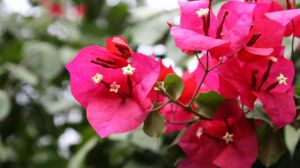
How Many Times a Year Can Bougainvillea Bloom? A Full Analysis of Its Blooming Patterns
With proper care, bougainvillea can bloom all year round, but this is hard to achieve in ordinary home cultivation. In typical home growing, it blooms only once a year, with the blooming time roughly in autumn and winter, and the flowering period lasting up to 3-4 months. When caring for it, pay attention to controlling soil moisture and ensuring 8-10 hours of light to guarantee blooming.
-

Occurrence Patterns and Control Methods of Major Diseases of Atractylodes macrocephala
Occurrence and Control of Major Diseases of Atractylodes macrocephala
-
Occurrence patterns and control methods of mint rust
Occurrence of mint rust and its control methods
条件筛选