What to do when an orange jasmine (Murraya paniculata) drops its leaves? One little trick makes green leaves grow vigorously and flowers bloom nonstop
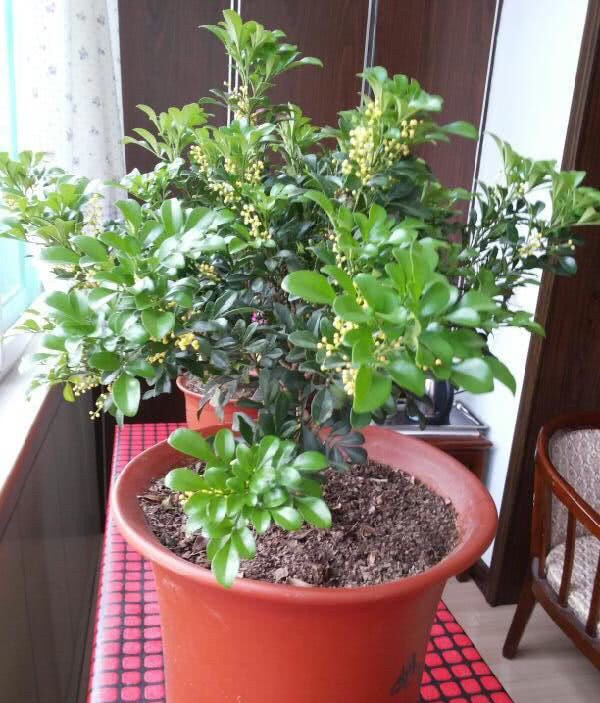
The orange jasmine's flowers are small, but they are especially fragrant. Its leaves stay evergreen through all four seasons, emerald green and glossy, and its flowering period is especially long. If cared for well, it can bloom several times a year, especially blooming most in summer and autumn. But in the process of growing orange jasmine, you will find that the leaves drop easily and hardly grow. When the orange jasmine does not grow leaves, it also blooms very little. What should be done?
When growing orange jasmine, use one little trick, and it will never drop leaves again, green leaves will grow vigorously, and flowers will bloom nonstop
When an orange jasmine drops leaves, it is very likely related to the potting soil and the flower pot. If the pot is too deep, and it is a ceramic pot that is not breathable, that is not good. The potting soil is very critical. With the soil that ordinary gardeners use, if the stickiness is too high, after watering it becomes like mud, and the orange jasmine's roots cannot breathe in oxygen, so it easily drops leaves.
At this time, change the potting soil. Add half sand to the soil, just ordinary river sand. Prune away some dead branches and overly dense branches, and keep the branches with young leaves. Then place it in a ventilated spot with scattered light to let it recover, and spray a little water every day to keep it moist. In less than a month, young leaves will sprout rapidly, and the leaves will grow more numerous and more emerald green.
Usual home care tips for orange jasmine
If an orange jasmine is grown indoors, be sure to keep it ventilated, preferably with air circulation, and it is best to place it on a windowsill near the outside. Also keep sunlight sufficient; even a full day of sun is fine.
Orange jasmine suits slightly acidic soil, so occasionally when watering, mix 1:1000 ferrous sulfate into the water, or water it with vanadium fertilizer water a few times a year, which can make the orange jasmine grow better.
Although orange jasmine likes a humid environment, if the potting soil stays too wet for a long time, it will cause the leaves to turn yellow, so water control must be done immediately. When the temperature is high and the air is relatively dry, the potting soil must not stay too dry for long; when it is dry, water it promptly.
After growing it for one or two years, repot the orange jasmine once. It is best to use river mud, pond mud, or garden soil plus pine needle soil and sand to plant it, and it will grow even better.
In winter, pay attention to keeping it warm. When it is below five degrees, take cold protection and warmth measures, and place it somewhere the cold wind cannot reach. In this way, in winter the leaves are still lush green, very beautiful and pleasing to the eye, and the next year it will bloom especially abundantly.