-
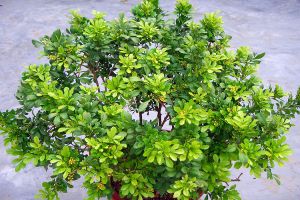
What to Do If a Mock Orange (Aglaia odorata) Has Root Rot? Causes and Remedies Explained in Detail
This is a very beautiful flower, and many people grow it; a friend of mine also keeps a pot of it. But due to improper care, its roots rotted, and they did not know how to handle it. So what exactly should be done at this point?
-
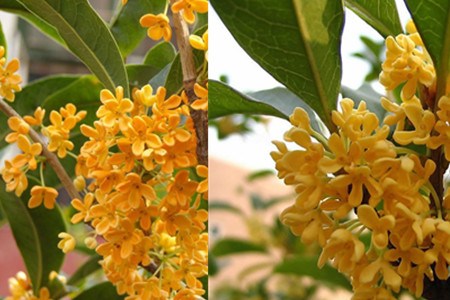
How do you identify an orange osmanthus tree? Focus on the flower color and the plant's shape
Every year, when August is about to end, people can always smell a very strong, sweet fragrance, because the osmanthus has bloomed. This plant is fairly common in our country, and it can be seen in almost every city. This plan...
-
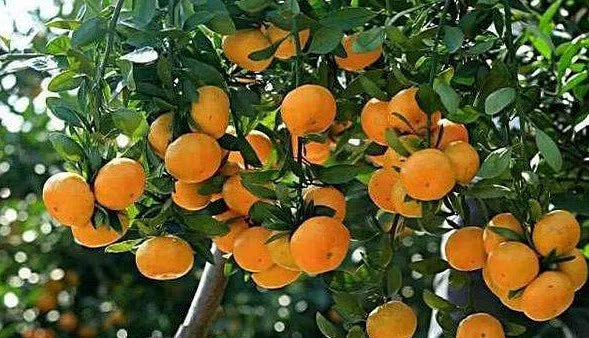
How to prevent and control citrus bacterial wilt? Technical countermeasures for the mandarin orange area of Xinkou Town
Citrus bacterial wilt is highly destructive; once the disease occurs, it can cause citrus plants to die rapidly. The following article uses the mandarin orange area of Xinkou Town as a practical case study to explain the occurrence and prevention and control techniques of citrus bacterial wilt. 1 Development of the citrus industry in the mandarin orange area of Xinkou Town...
-
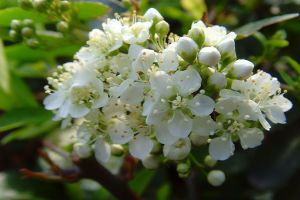
What to do when Murraya paniculata (orange jasmine) has root rot? Teach you the correct way to handle it
After a plant develops root rot, it triggers a series of problems, so it must be prevented and treated promptly. First, take the plant out of the pot, trim off the rotten roots and disinfect the root area. Then, replant it and cover the roots with a layer of fine river sand. After that, place it in a shady spot. Care in the later stage is also important, and water is the most important part. Strictly control watering at the roots, but you can spray some water on the surface of the leaves. After one week, also move it to a bright spot for about one hour every day. After thirty to forty days, it will be able to recover.
-
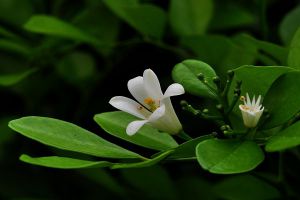
Reasons Why Orange Jessamine Does Not Bloom and Solutions
It is very frustrating when it refuses to bloom. There are many reasons for this phenomenon. The most likely one is a light problem. If it is kept in a spot without sun for a long time, it may fail to bloom, or produce very few flowers. Then there is temperature: if it is too low, it can also easily lead to no flowers. Next, the management of water and fertilizer is also very important; too much or too little may hinder blooming. Finally, pests and diseases can also be an obstacle.
-
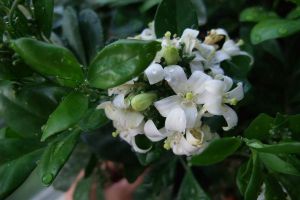
What causes orange jasmine (Murraya paniculata) to drop its leaves
When this happens, there are roughly four possible causes. The first is light: if the light is too weak, this phenomenon is easily triggered. The second is temperature, mainly in winter; if the temperature is too low, the plant easily suffers cold damage, and then drops its leaves. The third is caused by waterlogging. It is not tolerant of waterlogging, and in standing water its roots easily rot, which can also lead to leaf drop. However, it may also be a normal phenomenon, the plant's own metabolism.
-
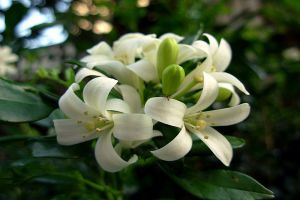
How to grow Orange Jessamine? A full breakdown of cultivation methods and precautions
Specifically, there are five key points in total. The first is soil quality: it needs to be nutrient-rich and loose, preferably sandy soil. The second is water: the general principle is "dry-wet cycle" (water when dry, let it dry out between waterings). Next is light: it needs a great deal of light, and you must ensure five to six hours of sunlight a day. After that comes temperature: the most suitable range is 20 to 32 degrees. In winter, it must not go below five degrees at the lowest. Finally, there is pruning: in spring, cut away the very dense and leggy branches.
-
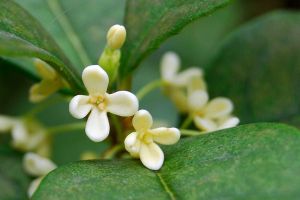
What is the difference between osmanthus and orange jasmine? A quick guide to telling them apart
Although they look alike, they can still be distinguished by different aspects. First is height: osmanthus is taller than orange jasmine, reaching up to 18 m, while orange jasmine generally does not exceed 8 m. Then there is appearance. Osmanthus leaves are mostly oval, while orange jasmine leaves are obovate, and osmanthus leaves are longer. In addition, osmanthus leaf stalks are also longer. The shape and size of the fruit also differ: the former's is oval and larger; the latter's is obovate. Their flowering and fruiting periods are also different: the former's is from September to March of the following year, and the latter's is from April to December.
-
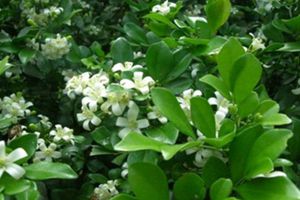
What is the difference between orange jessamine and Chinese perfume plant? A guide to tell them apart easily
These are two completely different flowers, and they even belong to different families and genera. The former has ovate leaves, while the latter has obovate leaves. The former's flowers are white, while the latter's are yellow. Both bloom in summer and autumn; the former's fruit flesh is red, while the latter's fruit has a sticky mucus on it.
-

11 red and orange flowering shrubs for year-round color in the yard
Red and orange flowers are very common. If you want to plant an easy-to-bloom, highly ornamental flowering shrub, the following 11 are all excellent choices. Some varieties can even bloom all year round, and they are...
条件筛选