-
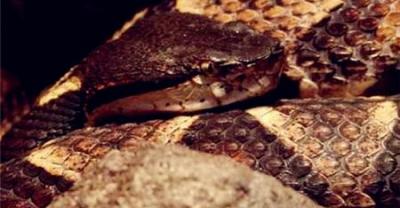
Farmed catches are fine, but don't pass them off as wild - let me teach you how to tell the difference
In this seafood market flooded with farmed goods, how do we tell them apart and understand their value? Today let's start with the premium fish commonly sought by anglers...
-

A Complete Analysis of Pond Aquaculture Water Quality Requirements and Management Measures
With the development of high-density, intensive aquaculture production, the frequency of water quality changes in aquaculture water bodies has accelerated, causing eutrophication of pond water quality, and coupled with today's...
-
The Complete Guide to Arowana Keeping: Teaching You How to Raise the King of the Aquarium
In the long river of China's 5,000-year history, the "dragon" is a symbol of the spirit of the Chinese nation. It carries strength, hope and the Chinese people's longing for a better life...
-
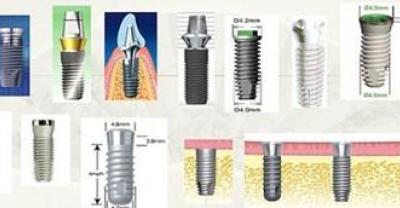
What Is a Dental Implant? Let One Infographic Explain It to You
Is a dental implant a "seed" placed in the mouth to let a tooth grow out? If you believe that, you are still Too young, Too simple, Too naive~ Today, Hippo...
-
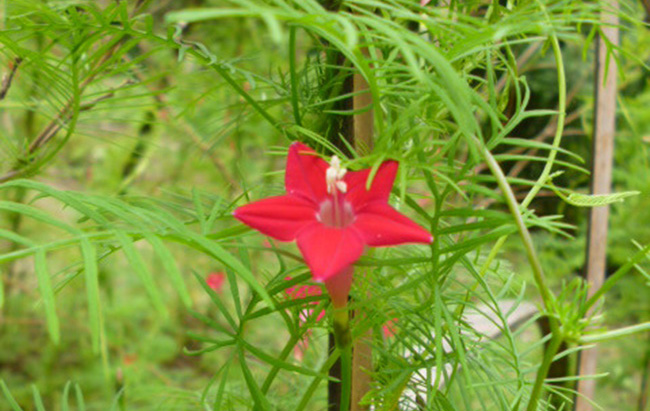
Cultivation Methods and Pest and Disease Control Tips for Scarlet Cypress Vine
Scarlet Cypress Vine Ipomoea coccinea (scientific name: Quamoclit coccinea (L.) Moench), a plant in the Convolvulaceae family, is an annual twining herb. The leaves are heart-shaped, the cymes are axillary, the flowers are orange-red with a yellow throat, and the capsules are ovoid. Scarlet Cypress Vine is native to South America and is averse to cold.
-
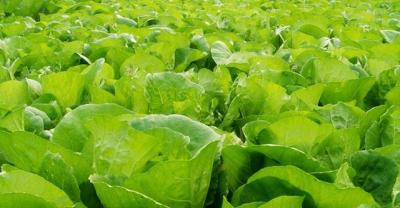
The most complete vegetable planting schedule, with planting times for all four seasons at a glance
Whatever you do, there must be an order of priority, and vegetable planting is the same. Some vegetables should be planted in spring, some should be planted in winter, and some can be...
-
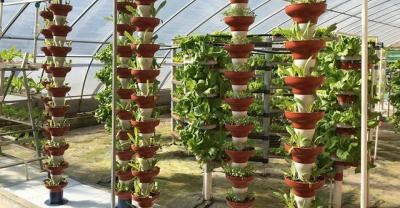
A Complete Guide to the Characteristics and Growing Techniques of the Lotus
"It emerges from the mud unsoiled, and is rinsed in clear ripples without being coquettish." Everyone knows this line of poetry, and what it praises is the lotus. When lotus is mentioned, everyone has seen it and has also eaten lotus seeds and lotus root...
-
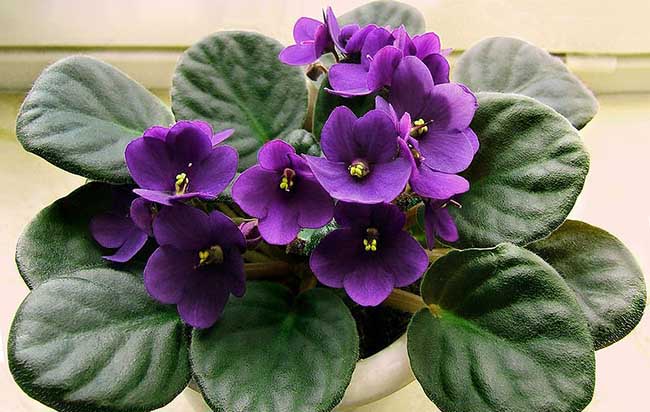
What are the cultivation methods and propagation methods for African violets?
African violet morphological characteristics: the whole plant is hairy; the leaves are clustered at the base, slightly succulent, with round or ovate blades, purple on the underside, and long petioles. Flowers are borne 1 to 6 together in long-stalked dichasial cymes; the flowers have a short tube, a 2-lipped corolla, unequal lobes, and diverse colors, including white, purple, light purple, or pink
-
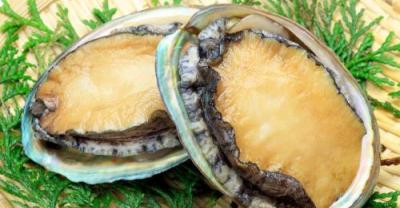
A Complete Analysis of Ammonia Nitrogen Sources and Degradation Methods in Aquaculture
What is ammonia nitrogen? Ammonia nitrogen refers to the combination of nitrogen present as free ammonia and ammonium ions in water. It is the main factor causing major toxicity to aquatic organisms. However, ammonium ions are not toxic. 1. Sources of ammonia nitrogen. There are four main sources of ammonia nitrogen: first, sludge. The deeper the pond sludge, the more, as temperature rises, large amounts of organic matter ferment and produce ammonia nitrogen; second, feed. After feed is digested by aquatic animals, feces and urine are excreted, producing large amounts of ammonia nitrogen. Next, residual bait is transformed by anaerobic bacteria into peptides and amino acids, and then into molecular ammonia and ammonium ion substances; third, fertilizers. Such as organic fertilizer, urea, nitrogen fertilizer, compound fertilizer, etc., are all foundations for producing ammonia nitrogen; fourth, various dead grasses and algae, which are converted into ammonia nitrogen under the action of anaerobic bacteria. 2. Ammonia nitrogen degradation. First, natural consumption. 1. Through nitrifying bacteria living in the oxygen in the water body, ammonia is converted into nitrite, and then converted by a second type of nitrifying bacteria into nitrate. Nitrate is a non-toxic substance and is converted by anaerobic bacteria into nitrogen gas, which rises and is released; 2. Algae and microorganisms. Ammonia nitrogen is also a eutrophic fertilizer. The more algae and microorganisms there are, the stronger their ability to absorb ammonia nitrogen, and the faster the ammonia nitrogen content is reduced; 3. Aquatic plants, such as water hyacinth, alligator weed, lotus root and other aquatic plants. Among them, water hyacinth has a particularly strong ability to consume ammonia nitrogen. One water hyacinth plant with 10 branches can consume the ammonia nitrogen excreted by 8 people in 24 hours. Second, artificial degradation. 1. Clean out sludge and use coke slag landfill for adsorption; 2. Control stocking density and feed bait reasonably; 3. Regularly use photosynthetic bacteria and lactic acid bacteria as well as organic acids and sodium humate for nitrifying degradation; 4. Add and change water and increase oxygen, and control and regulate water quality well. When molecular ammonia in the water body exceeds the standard, the oxygen-carrying capacity of the gill fluid of aquatic animals will decline, damaging the epidermal tissue of the gills, leading to poor oxygen exchange in the blood, and at the same time poisoning will occur. Its manifestations include damage to internal organs such as the liver, pancreas, and stomach, swelling of the gastrointestinal tract, infection after mucosal damage, secretion of large amounts of mucus, causing difficulty breathing and leading to death. Ammonia nitrogen is the number one killer of aquatic animals, and it is also the most difficult problem for aquaculture personnel to grasp and solve. Prevention and control must be carried out from the very beginning, with regular testing, and strict prevention of serious exceedances and long-term exceedances, so as to ensure the healthy and normal growth of aquatic animals.
-
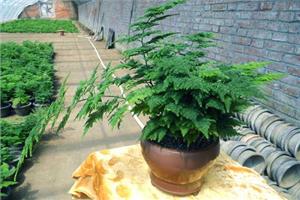
How do you care for asparagus fern? Let me teach you a little trick for shaping asparagus fern
Tips for growing asparagus fern: teaching you how to "shape" asparagus fern
条件筛选