Farmed catches are fine, but don't pass them off as wild - let me teach you how to tell the difference

In this seafood market flooded with farmed goods, how do we tell them apart and understand their value? Today let's start with the premium fish commonly sought by anglers - the yellowfin seabream.
The one on top is the blackfin, with firmer flesh; the one below is the yellowfin, with more tender flesh. The two fish taste similar, differing only in texture:
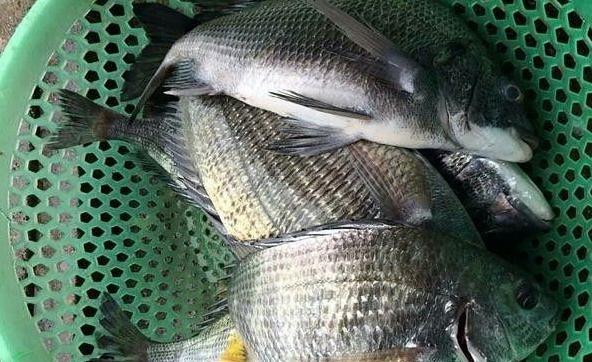
Yellowfin seabream
The yellowfin seabream is commonly found in sea fishing and as bycatch in net fishing, and it is also one of the most common fish species in coastal areas.
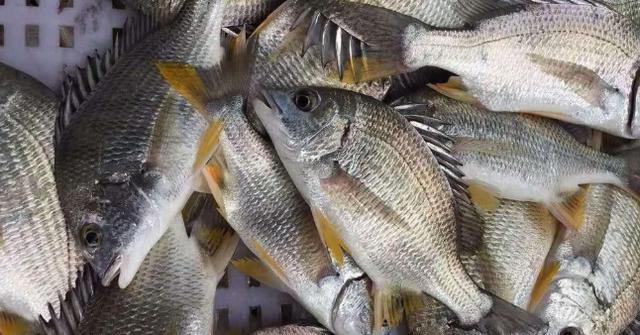
So how do you tell wild from farmed?
1. Fish eyes. The eyes bulge out, black and shiny
2. Fish mouth. Wild fish need to peck for food in the sea, so the mouth shape is more pointed. Farmed fish that are fed pellets swallow them in one gulp, so a rounder mouth shape helps them feed.
3. Fish fins. The pectoral and pelvic fins are more yellow, while farmed fish fins appear pink.
4. Fish belly. Bright colored, with the fins flushing red; wild yellowfin seabream are sensitive to temperature and water quality once landed, and the fins will flush red after a short while; the lower belly of farmed fish is pink.
5. Fish body. Wild fish have whiter bodies and are more slender; farmed fish have darker bodies and are rounder.
6. Fish back. The flesh along the back is relatively thin
7. Fish tail. Compared with farmed ones, wild yellowfin seabream have slender bodies. This is because they live in a natural environment, enduring tidal changes and different sea areas, so the fish's activity capacity varies, and a slender body helps them swim faster. Farmed yellowfin seabream are limited by the farming cages, have a small activity area, and barely endure tidal impacts, so they are narrower and rounder.
I believe everyone must understand a lot now.
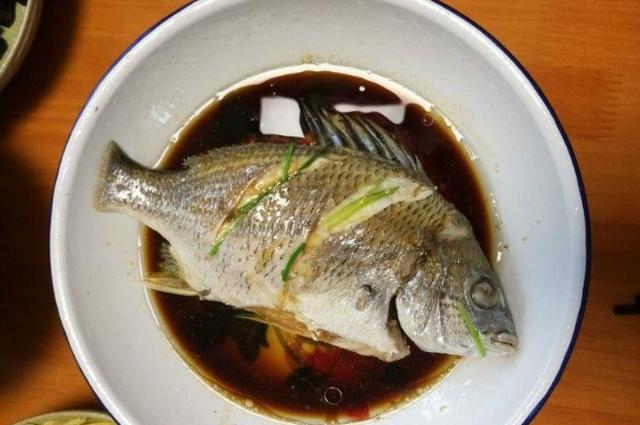
In every respect, wild fish are superior to farmed fish in taste, nutrition and safety. Thanks to their natural living environment, wild fish have firm flesh, no muddy taste, and even better nutrition. (Naturally, this is a coastal person's view of fish)
Catch and food for fish:
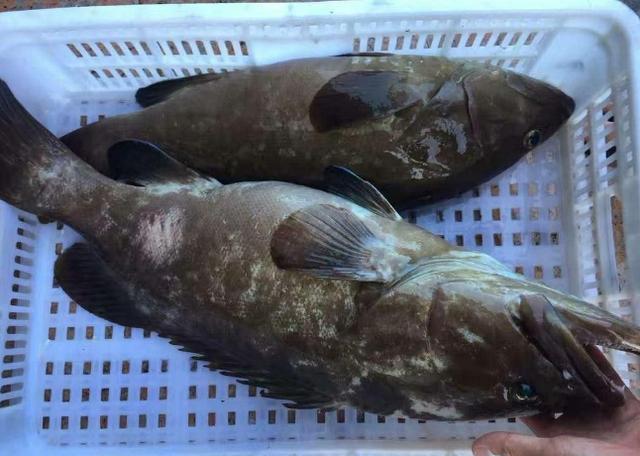

Overall, it's not that farmed fish are unacceptable, but there must be no deception - that is the principle. I hope everyone eats and drinks well.
This article is original content from Kandian (Simply a Fish Seller), hereby declared