-
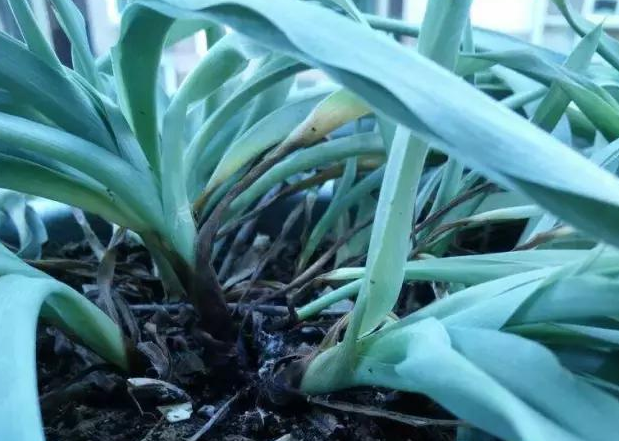
Don't Throw Away Spider Plant Leaves That Have Turned Yellow and Withered - Let Me Show You How to Easily Revive It
First, you need to understand the plant habits of the spider plant: spider plants (Chlorophytum comosum) like warmth and humidity, cannot tolerate severe cold, and should be kept away from direct blazing sun and dry winds. They can be grown indoors long-term. Their leaves grow in clusters resembling flowers and stay green year-round, making them a fairly well-known foliage plant, often called the "aerial flower." Next, you need to know why spider plant leaves turn yellow
-
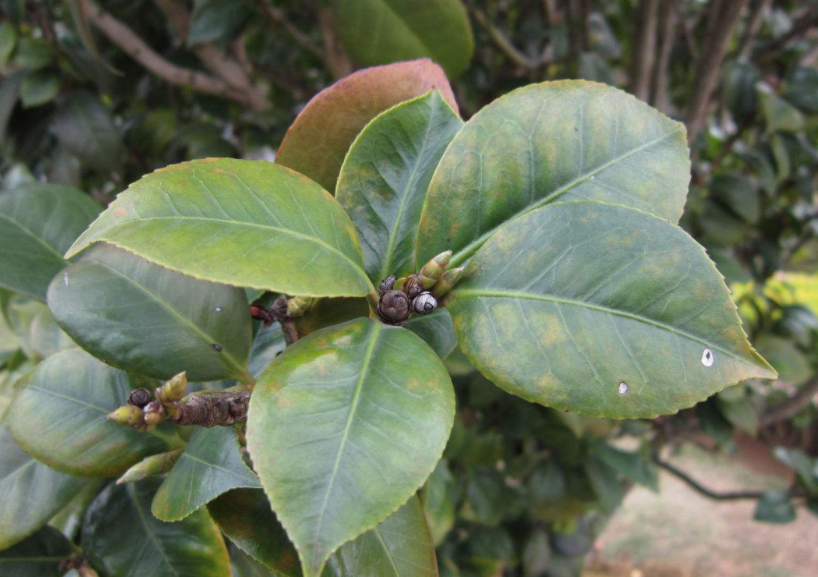
A Complete Guide to Camellia Disease Prevention and Control Methods
Camellia disease prevention and control methods: when the outbreak is small, gently wipe the mold layer clean with clean water; when the amount is large, spray 50% carbendazim at a 500-800 times dilution for control. Promptly eliminating pests such as scale insects and aphids can reduce the occurrence of sooty mold. Gray leaf spot, sooty mold and root rot are relatively common on camellias.
-
Is Chickweed Edible? A Complete Guide to How to Eat It, Its Benefits and Medicinal Value
On one continent, a plant may be considered a troublesome weed, while on another it may be grown for food or medicine. Like everything else, different plant appearances, smells or tastes can go in and out of fashion. One day
-

When is the best time to plant lettuce? Planting methods, care and pests and diseases
Do you like lettuce? Lettuce is one of the oldest edible plants known to humans and is believed to have originated in India and Central Asia. Herodotus wrote about lettuce served in ancient Greece, and it was the most popular vegetable in ancient Rome. So how do you grow lettuce? In order to maximize
-

When is the best time to fertilize Bletilla striata? Detailed explanation of fertilizing times and methods
Fertilizing times and methods for Bletilla striata
-

What is the flower language of violets? Baidu Zhidao, violet flower language and meaning - Huabaike
Flower language: eternal beauty and love. Legend: In Greek mythology, Venus, the goddess of love and beauty, was reluctant to part from her lover when he left. At that moment, a teardrop fell onto the soil, and the following year a small sprout grew and branches emerged, and soon after many more bloomed. The flower language of violets is eternal love and beauty, simplicity and virtue, and so on. But varieties of different colors also have their own meanings. For example, blue violets represent vigilance and loyalty; white ones represent reminding us to cherish happiness and grasp it at every moment.
-
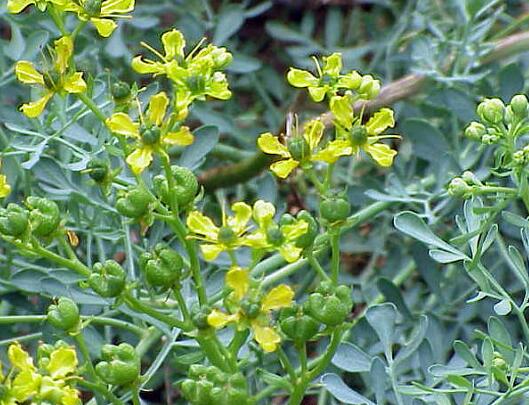
Complete Guide to Plant Disease Classification and Formula Medications
Plant diseases refer to the phenomenon in which plants, under the influence of biological or abiotic factors, undergo a series of morphological, physiological and biochemical pathological changes, thereby affecting human economic benefits. The symptoms of plant diseases are mainly divided into five major types: discoloration, necrosis, rot, wilting and deformity
-
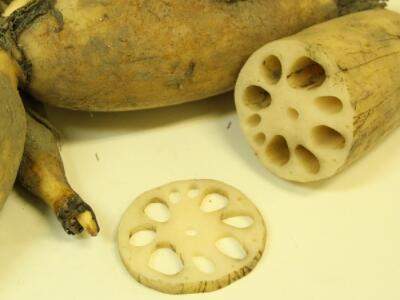
Causes and Control Methods of Soft Rot in Lotus Root, Lettuce, and Romaine Lettuce
Lotus root, lettuce, and romaine lettuce are three crops prone to soft rot during production. So what are the causes, and what control methods are available? Let's take a look below. Causes and control methods of lotus root soft rot. Causes: 1. It is a fungal disease.
-
Do you know how to plant Bletilla striata? Here is the cultivation technique for you, very practical! How do you grow Bletilla striata? From planting to harvest, how long does it take, and what are the returns?
So growing Bletilla striata as seedlings is still more convenient and profitable. Many Bletilla striata growers ask how much finished fresh product 1 mu of Bletilla striata can yield. According to our analysis, Bletilla striata can yield about 500 kg of fresh product per mu, and the current market price of Bletilla striata is around 500-. Among genuine Bletilla striata, the purple-flower large-type variety has higher yield and is often called purple-flower three-fork large Bletilla striata. At present, due to the high price stimulus of Bletilla striata, as a source of Bletilla striata, including 1-4 year old Bletilla striata tubers, usually for ease of storage and transportation.
-
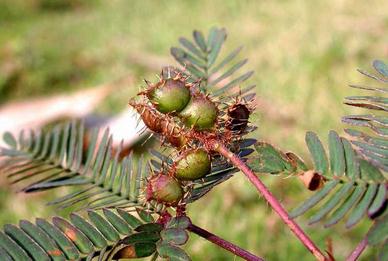
What does the mimosa plant look like, and is it toxic? A complete guide to care methods in one article
Mimosa (Mimosa pudica) is a perennial herb or subshrub in the Fabaceae family. Because its leaves respond to heat and light and close immediately when touched by an external force, it is named mimosa. So what does the mimosa plant look like? Is it toxic? How do you care for it? Let's take a look right away.
条件筛选