When is the best time to plant lettuce? Planting methods, care and pests and diseases
Do you like lettuce? Lettuce is one of the oldest edible plants known to humans and is believed to have originated in India and Central Asia. Herodotus wrote about lettuce served in ancient Greece, and it was the most popular vegetable in ancient Rome. So how do you grow lettuce? In order to maximize
Do you like lettuce? Lettuce is one of the oldest edible plants known to humans and is believed to have originated in India and Central Asia. Herodotus wrote about lettuce served in ancient Greece, and it was the most popular vegetable in ancient Rome. So how do you grow lettuce?
To maximize lettuce production, it is best to choose a site with well-drained soil that also retains some moisture. The soil should also be rich in nitrogen and potassium, and the best way to achieve this is to use plenty of organic matter (compost, rotted manure or leaf mold) to loosen and enrich the soil. Aim for a pH of 6.0 to 6.8.
To maximize lettuce production, it is best to choose a site with well-drained soil that also retains some moisture. The soil should also be rich in nitrogen and potassium, and the best way to achieve this is to use plenty of organic matter (compost, rotted manure or leaf mold) to loosen and enrich the soil. Aim for a pH of 6.0 to 6.8.
Most lettuce varieties mature in 45 to 55 days, allowing many gardeners to grow two or even three crops. However, loose-leaf and butterhead types can be harvested at any point during their development. Heading varieties take longer to mature. Romaine takes 75 to 85 days, and crisphead takes 70 to 100 days.
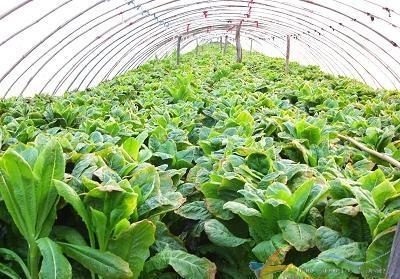
Start lettuce indoors in peat pots a few weeks before the last frost date. Give the seedlings plenty of sunlight or keep them under artificial lighting until they are ready to go into the garden. Transplant the seedlings once the soil can be worked in spring. If a hard freeze threatens, protect the seedlings with cloches or row covers. As the season progresses, keep some lettuce seedlings in reserve to fill gaps in the garden.
To sow lettuce directly in the garden, simply plant the seeds 1/4 inch deep, firm them in, and water. It is that simple! Space the seeds according to the packet directions based on the mature size of the lettuce. For example, a crisphead may need a square foot of garden space. As many as 9 leaf lettuce plants can grow in the same space.
Keep in mind that lettuce seeds will not germinate in soil at 80 degrees Fahrenheit or warmer, so there is no point in sowing them directly in the garden in summer. Start heat-tolerant varieties indoors and move the lettuce seedlings into the garden, preferably in partial shade, after they have developed some true leaves.
To maximize lettuce yields, raised beds warm up faster than the surrounding ground. You should be able to get an earlier start in spring and start sowing in autumn.To make the most of limited garden space, plant lettuce around taller plants such as broccoli, Brussels sprouts, peppers and eggplants. Lettuce helps its neighbors by keeping the surrounding soil moist and cool and by keeping weeds shaded out. As the taller plants grow, they provide the shade lettuce needs as the days warm up. You can also start lettuce seedlings indoors to fill gaps left by other crops in late spring and early autumn.
Lettucegenerally has few pests and diseases, but you should stay vigilant.
Cutworms and slugs are the most troublesome pests. Use paper collars around young lettuce seedlings to keep greedy caterpillars away. Slugs are difficult to control. Sprinkle ashes or diatomaceous earth on the soil around the plants to deter the troublesome mollusks. Be sure to reapply after every rainfall.
The main threat is lettuce rot, which first attacks the lower leaves in contact with the soil and then spreads throughout the plant. The best way to prevent fungal and bacterial diseases is crop rotation. Do not plant lettuce in the same bed two years in a row.