-
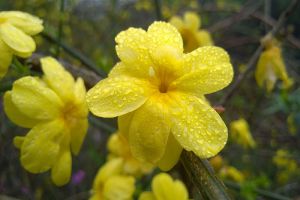
How to care for and manage winter jasmine after it finishes blooming
This plant blooms in spring. Amid the revival of all things in spring, it is not particularly unusual, yet it still blooms gorgeously. Its color is golden yellow, its flowering period is in spring, and its name comes from this as well. Because it is especially elegant, its bearing is extremely striking, its adaptability is especially strong, and on top of that it is a flower that welcomes spring and carries an extremely good symbolic meaning, everyone loves it very much. Nowadays more and more people are growing this plant, but after enjoying its flowers, everyone falls into confusion again: how exactly should it be handled after it finishes blooming?
-
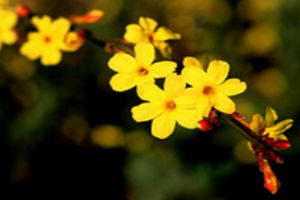
How to grow thick roots on winter jasmine? Practical care methods shared
This plant gives people a good feeling. In ancient times, many poets also wrote poems about this flower. Its shape is very attractive, and it has especially many alternative names. It can be considered one of the most common plants in China. Because it itself has many characteristics, many people have now started growing this plant. We always want to grow plants better, and one method is about how to make its roots thick. Today let us talk about it in detail.
-
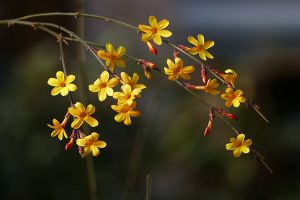
How to pinch back winter jasmine (Jasminum nudiflorum)? A detailed guide to the pinching method
Many plants need to be pinched back, because only in this way can the growth of side branches be brought out and the whole plant grow fuller. Of course, some plants, such as sunflowers, do not need pinching back, but winter jasmine does. So what should we pay attention to when carrying out this operation on winter jasmine? What are the specific timing and method? How exactly should we do the pinching? Today, we will answer these questions one by one.
-

-
-
-
-
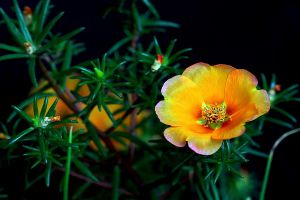
How to propagate the Portulaca grandiflora? Detailed Guide to Common Propagation Methods
This plant is also called "leaf-falling money" and is an annual herbaceous plant. It has flowers of various colors and very green leaves, as we can see from the pictures. Besides its appearance, it also carries very good meanings, such as "hope", "happiness" and so on. It is suitable for planting in many places, such as courtyards, roadsides, and flower beds. If you also want to grow one, come and learn how it is propagated.
-
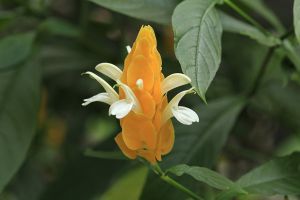
How to fertilize Pachystachys lutea? Learn to master the correct fertilizing method
This is an evergreen subshrub in the Acanthaceae family. It is native to two countries in the Americas: Peru and Mexico. It was only introduced to our country around the 1980s. After being introduced, it won the favor of many flower growers in our country. This is because its appearance is very unique and elegant, and its flowering period is long. To grow it well, the correct fertilizing method is essential. Let's take a look at exactly how to do it below.
-
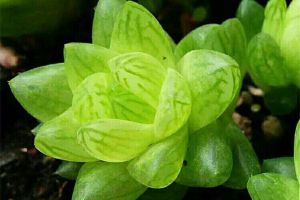
How to grow Haworthia cooperi var. obtusa so it becomes fuller? Detailed care tips
This is a rather endearing-looking plant. Because its leaves are thick and crystalline, it also glistens under water droplets and light, making it very appealing. Some gardening enthusiasts ask why their Haworthia cooperi var. obtusa grows with loose, thin, elongated leaves, and others ask why theirs no longer has the crystalline green leaf color, completely losing its ornamental value. So, how can you grow Haworthia cooperi var. obtusa to be fuller? As long as you control the factors mentioned below, that will do it!
条件筛选