-
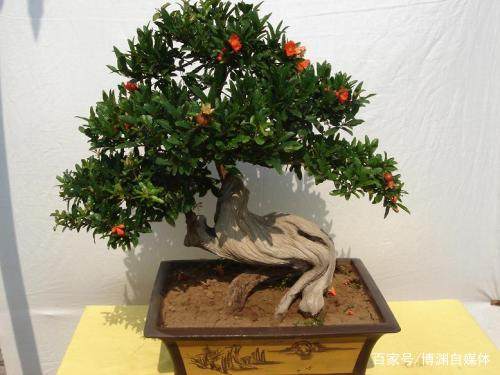
How to care for a pomegranate bonsai in winter? These key points you need to master
The pomegranate is a deciduous fruit tree. To keep a pomegranate bonsai growing, flowering and fruiting normally, it must shed its leaves and go dormant in winter, just as people must sleep in order to work better the next day. The main producing areas of the pomegranate tree are...
-
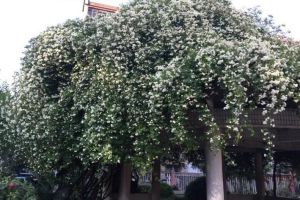
The flowers grew taller than a person. How on earth did he grow them?
For many flower lovers, the first goal of growing flowers is just to keep them alive. But the masters aim to grow them into "monsters"! Aren't you curious? Then keep reading with Huahua!
-
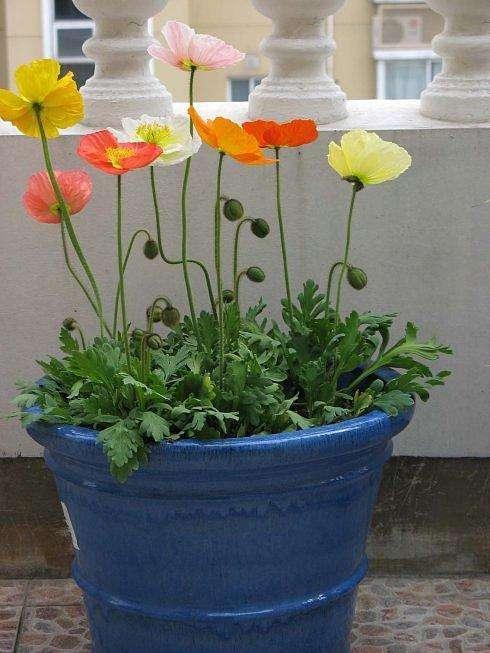
Corn Poppy Care Guide: How to Monitor Hydrogen Sulfide
Corn Poppy Care Guide for "Monitoring Hydrogen Sulfide" The corn poppy is also known as the rival peony, the amusing beauty, the beauty of spring, the brocade quilt flower, and butterflies filling the garden in spring. Before the flower opens, the bud is egg-shaped, wrapped in two sepals, and the sepals are green...
-
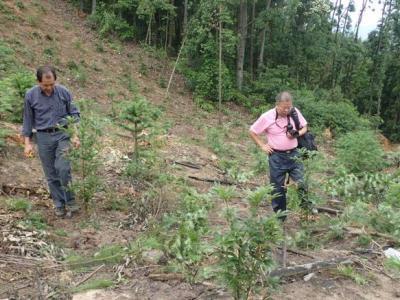
How can Chinese fir (Cunninghamia lanceolata) plantations be managed to improve wood properties?
What silvicultural techniques improve the wood properties of Chinese fir? Chinese fir and Masson pine (Pinus massoniana) are coniferous tree species with high-quality, fast-growing timber that are unique to southern China. For a long time, large areas of Chinese fir plantations have been established in the Chinese fir producing regions of the south. Because Chinese fir grows fast, has a short rotation period and consumes many nutrients, its litterfall is sparse and slow to decompose, the litter has low nutrient content, and the woodland has poor self-fertilizing capacity, resulting in soil erosion. Consequently, continuous cropping of Chinese fir leads to soil fertility decline, serious habitat deterioration, a severe drop in stand stability, and a decline in stand productivity with each successive generation. China began to pay attention to the decline in soil fertility of plantations in the 1960s, and Chinese fir plantations were especially prominent in this regard. As people's understanding of forest resources and the ecological environment has deepened, forests are recognized as having the dual role of providing numerous renewable resources and delivering public-benefit functions. The previous practice of establishing plantations dominated by pure coniferous stands has shifted toward establishing mixed coniferous-broadleaf plantations. The construction of mixed coniferous-broadleaf plantation bases was a key forestry project launched in the early 1980s. Through more than 30 years of cultivation and research, mixed coniferous-broadleaf forests have clearly demonstrated their functions and characteristics. According to research both in China and abroad, compared with establishing pure stands, establishing mixed coniferous-broadleaf forests offers advantages such as improving the soil, conserving water, improving wood quality, achieving higher comprehensive woodland productivity, and withstanding disasters better. It also optimizes the structure of forest resources, promotes the diversification of plantation tree species, simulates natural conditions, develops ecological forestry, follows a path of efficient and coordinated sustainable forestry development, and achieves the overall optimal benefits of forestry. Establishing mixed coniferous-broadleaf forests to improve the soil fertility of coniferous woodland and raise woodland productivity and stand stability has become a consensus among forestry workers.
-
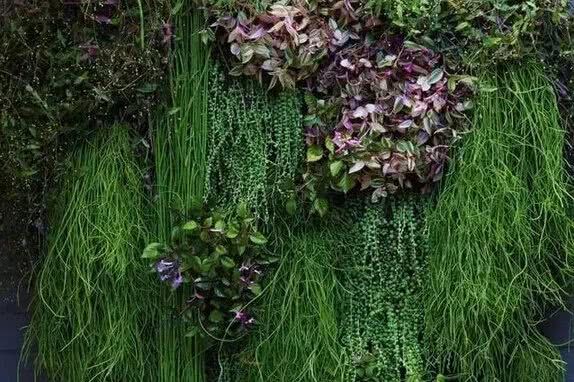
How to choose climbing succulents? These types can turn into a waterfall on your balcony
Many succulent-loving gardeners don't know what kinds to grow when choosing succulents. In fact, we don't have to limit ourselves to small potted plants. Choosing some climbing succulents to grow can also look very beautiful when done well. The following types of climbing succulents are...
-
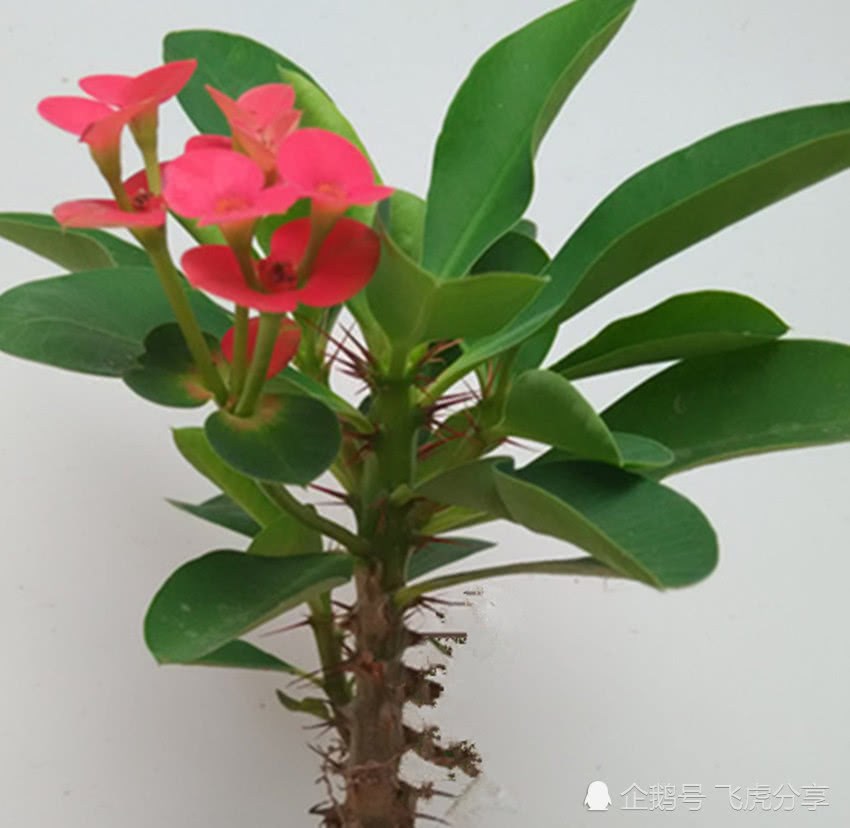
No matter how expensive these flowers are, do not keep them indoors; if you have any at home, throw them out as soon as possible
Nowadays, families like to keep some flowers to decorate their spaces, but some flowers placed indoors are very beneficial to people, while others kept indoors can harm human health. For example: affecting people's sleep, causing allergic reactions, causing skin itching...
-

How strong is the lure of a bubble? Understanding bubble phenomena in agriculture
By: DaDa Everyone knows tulip is the name of a flower, but who ever imagined that a tiny tulip once set off a huge economic wave. This book, titled "Tulip Mania," records what happened in the 17th century...
-

-
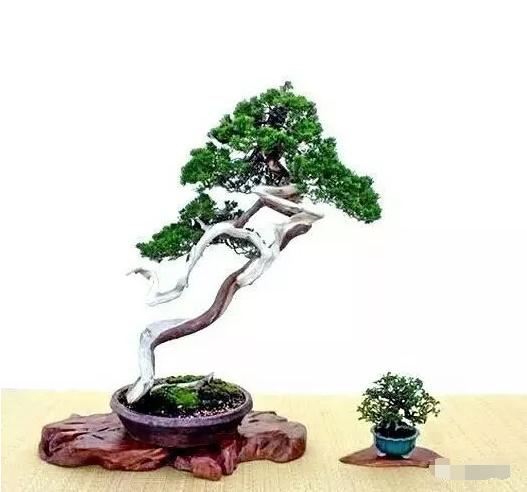
How to make a water-and-land bonsai: when processing the layout, use rocks to separate the water from the soil
Water-and-land bonsai: through processing and layout, using the method of separating water from soil with rocks Water-and-land bon...
-
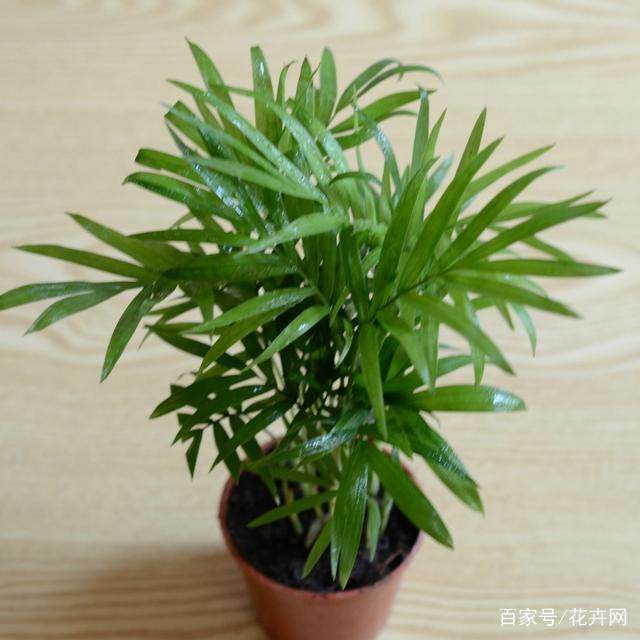
How to Tell a Parlor Palm from a Buddhist Pine? Detailed Guide to Container Care
The parlor palm and the Buddhist pine are both foliage plants beloved by gardening enthusiasts. Both are houseplants relatively well suited to indoor care, not only helping to purify the air but also beautifying the living environment, making them very...
条件筛选