No matter how expensive these flowers are, do not keep them indoors; if you have any at home, throw them out as soon as possible
Nowadays, families like to keep some flowers to decorate their spaces, but some flowers placed indoors are very beneficial to people, while others kept indoors can harm human health. For example: affecting people's sleep, causing allergic reactions, causing skin itching, etc. So what flowers should not be kept indoors?
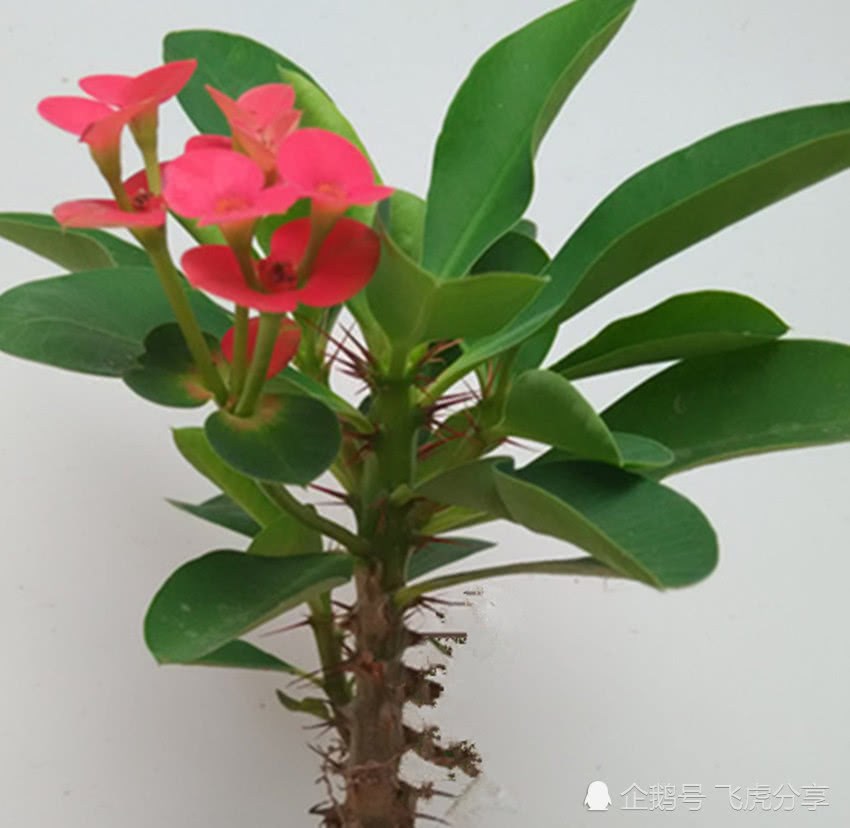
Although many people like crown of thorns (Euphorbia milii), liking its brilliant blooms and its emerald green leaves. If grown outdoors, it is of course a good choice, but if you want to grow it indoors, it is better to be careful. This is because the branches and leaves of crown of thorns contain alkaloids and a substance called toxic protein; both of these substances are toxic, and on top of that its plant has thorns. If you accidentally prick your hand, it easily causes itching and swelling. Especially for families with children, it is even less suitable to keep crown of thorns indoors.
The branches, leaves and root system of oleander (Nerium oleander) are all toxic, and the toxicity is very high. Moreover, oleander is a flower with a fragrance, but its floral scent easily makes people drowsy and is very harmful to human health. Therefore, oleander should not be grown indoors.
The leaves of poinsettia (Euphorbia pulcherrima) are very peculiar; the red leaves on top and green leaves below look especially exquisite, and in recent years it has become a popular Lunar New Year flower for many people. But the leaves of poinsettia are toxic, and it usually releases a kind of floral toxin that easily causes allergic reactions in people, causing nausea and vomiting. Once the white sap in its branches and leaves touches the skin, in mild cases the skin becomes red and swollen, and in severe cases it can lead to ulceration. So it is better not to keep it indoors at home.
Many people have kept dumb cane (Dieffenbachia), I believe, and also know that it is toxic, because dumb cane often drips water droplets from its leaves, which makes people feel very peculiar. But the water droplets it drips are toxic, and the sap in its leaves and stems is also toxic. Once the human body comes into contact with it, it will cause skin itching and eye discomfort. For the above flowers, the editor still recommends placing them outdoors for care, and especially not in the bedroom. If placed indoors, they should also be placed on the balcony and kept well ventilated. No matter what, human health comes first.