-
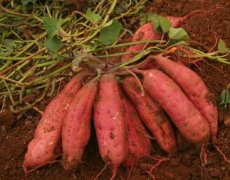
Sweet potato mechanical harvesting is highly efficient, making vine removal, digging and harvesting simple and labor-saving
Traditional sweet potato harvesting is extremely labor-intensive, and imported sweet potato harvesters have many drawbacks. The Taoyuan District Agricultural Improvement Station developed the "vine removal and harvesting combined operation machine." The model is smaller than imported sweet potato harvesters, costs less than half as much, and is 60 to 80 times faster than manual harvesting.
-

What Forms Purple Potatoes? Planting Methods and Harvest Time
Purple potatoes, also known as Peruvian purple potatoes, have naturally purple or deep blue skin and flesh, and contain exceptionally high levels of antioxidants, which makes them very healthy. Their distinctive color comes from natural anthocyanin pigments; some Peruvian potatoes are naturally purple, while others have been bred for a deeper hue.
-
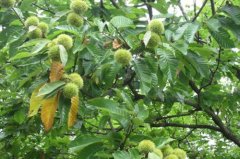
How to plant and care for chestnut trees so they are easy to grow? Learn about the planting history and soil requirements
Since at least 2000 BC, chestnut trees have been cultivated for their starchy nuts for thousands of years. In the past, the nuts have always been an important source of food for humans, used to make flour and as a substitute for potatoes. Currently, 9 different chestnut tree species are grown in temperate regions around the world. All are deciduous trees belonging to the beech family, such as oaks and beeches. If you are considering growing chestnut trees, keep reading for information on chestnut tree care.
-
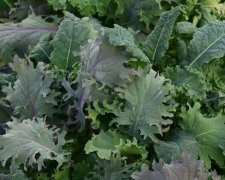
When to Plant Kale Seeds? Detailed Guide to Planting and Watering Methods
Thanks to its nutrient-rich character, kale is a favorite among vegetables. It holds its own in dishes ranging from salads and smoothies to soups and snacks. Kale varieties weave color and texture into the plant, fitting neatly into landscape beds or containers. Best of all, kale
-
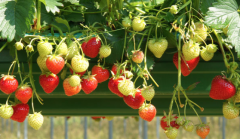
How to Grow Tomatoes and Strawberries in Pots? Planting Methods and Things to Note
Growing some or even all of your crops in containers can offer greater flexibility and opportunity. You can grow food in pots where you cannot grow it in the ground; easily move frost-tender plants under cover when it turns cold; or perhaps use containers to make the most of a suntrap courtyard.
-
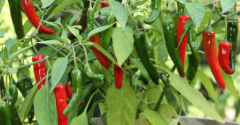
A Detailed Guide to Growing Potted Peppers: Planting Methods, Fertilizing and Watering Requirements
If your summer gardening plans include growing some vegetables in containers, peppers should be on your planting list. When the right varieties receive careful attention, peppers grow better in pots than in the garden, especially in cool or windy climates.
-
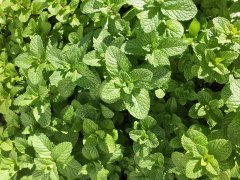
Wild Mint Spreads Aggressively: How to Handle It and Precautions for Medicinal Use of Mint
Wild mint varieties: out of curiosity, I began studying this plant family a few weeks ago, because the number of wild invasive mint species is impressive, and although they are uninvited, they spread through my lawn and garden. These perennials spread through underground stems
-
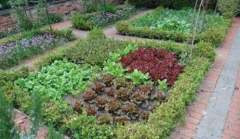
Turn idle urban spaces into small gardens and transform them into a little green oasis
Plants not only fill the stomach but also nourish the soul. Idle community spaces can become healing little gardens in the city. The Taipei City Department of Economic Development is promoting the "Community Garden Promotion Subsidy Program," which not only subsidizes the horticultural materials needed to build a garden but also allows applications for course funding.
-
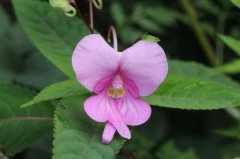
How to plant impatiens seeds, and what is the most suitable temperature?
Growing impatiens from seed: Impatiens are moderately difficult to grow from seed, but a little TLC produces satisfactory results. Impatiens need warm soil and light to germinate. A soil temperature (not room temperature) of 75 degrees Fahrenheit is perfect. If
-
How do peptides transmit plant defense signals? Experiments provide the answer
Plants can also transmit messages! Taichung No. 1 Senior High School student Chen Yong-an used "salt stress" to investigate how the model organism "Arabidopsis" transmits defense messages, proving that "peptides," which fall between amino acids and proteins, can be used by plants to transmit messages, a finding that aids agriculture
条件筛选