When to Plant Kale Seeds? Detailed Guide to Planting and Watering Methods
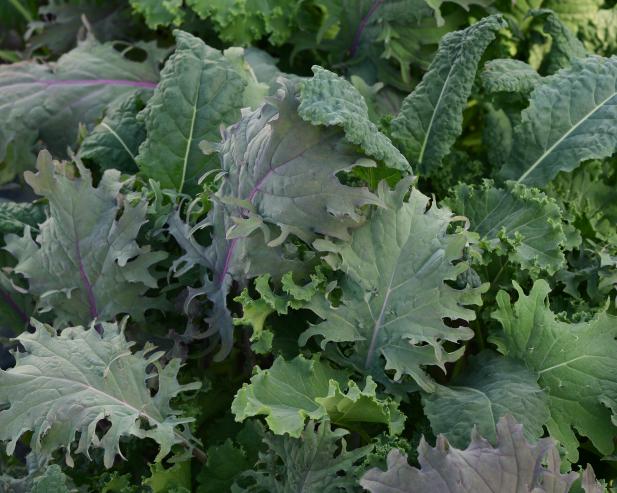
Thanks to its nutrient-rich character, kale is a favorite among vegetables. It holds its own in dishes ranging from salads and smoothies to soups and snacks.Kale varieties weave color and texture into the plant, fitting neatly into landscape beds or containers. Best of all, kale is easy to grow. Just plant, water and go. It is that simple.
Kale Seeds Planting Time
Kale is a cole crop, which means it is part of the mustard family. Its cousins include cabbage, kohlrabi, radish, broccoli and cauliflower. Cole crops like cool temperatures so much that people often call them “cold crops.” They can go into the garden as soon as the soil is workable in spring (6 weeks before the last spring frost) and thrive through winter. Zones 7 to 10.
Sowing kale seeds is an early-spring tonic, a way to scratch your garden itch before you can do anything else. Aim to plant seeds or transplants when soil temperature is at least 40°F. That is roughly when dandelions or forsythia bloom. Plant too early and you risk seed or plant rot. Keep planting kale - seeds or transplants - until early summer.
You can also plant kale in late summer to early fall as a winter crop. Determine planting time by counting backward from the time the plant needs to mature (that information is on the seed packet). This amounts to about two to three months before the first frost. Ideal temperatures for growing bumper kale? Weather below 80°F with nights below 60°F.
Mature kale plants vary in size, but generally need 12“ to 36” to reach their full potential. Check your seed packet or plant tag to make sure you give plants enough elbow room. Kale displays colorful leaves with strong texture, making it a versatile garden performer. Try one of these ideas when planting kale:
Use kale in a traditional veggie patch, planted in blocks or rows.
Place kale strategically in your vegetable garden as a focal plant.
Tuck it into flower beds to add texture and an edible element.
Kale also thrives in pots (minimum size 12 inches). Make sure container soil stays moist.
Watering Tips
Water the seedbed or transplants after planting. For spring plantings, remember that early in the season, with cool and cloudy days, kale does not need as much water. As plants take off, they will gradually need more water. Aim to keep soil consistently moist through the growing season. Even soil moisture is the secret to tender, tasty leaves. Mulch soil beneath plants to help hold soil moisture and keep leaves clean.
With fall plantings, higher air and soil temperatures mean you need to water more than with spring plantings.
Cabbageworms
Although many pests ignore kale, cabbageworms and loopers will attack plants. If you spot small white butterflies fluttering around your plants, watch for cabbageworms. A spray of Bt (Bacillus thuringiensis) offers an organic strategy for controlling worms. You can also handpick the little creatures and place a birdbath or birdhouse near your garden to summon insect-eating birds.
Other kale pests include slugs and snails (on seedlings), grasshoppers and cabbage aphids (usually on fall crops).
To prevent disease from building up in soil, do not plant kale or other cole crops in the same spot year after year. Instead, fill the planting site with non-cole crops for at least two years before planting kale.
How to Harvest
Picking kale is simple - just snap off the leaves. Harvest bottom or outer leaves first, leaving the growing tip, thereby keeping the harvest going. With consistent harvest throughout the growing season, your kale plants will eventually look like palm trees, with bare stems as a “trunk” topped by a cluster of tasty leaves.
Younger leaves are more tender, but older leaves are edible, although possibly tougher. Cook or bake with older leaves; use younger ones in salads or sandwiches.